
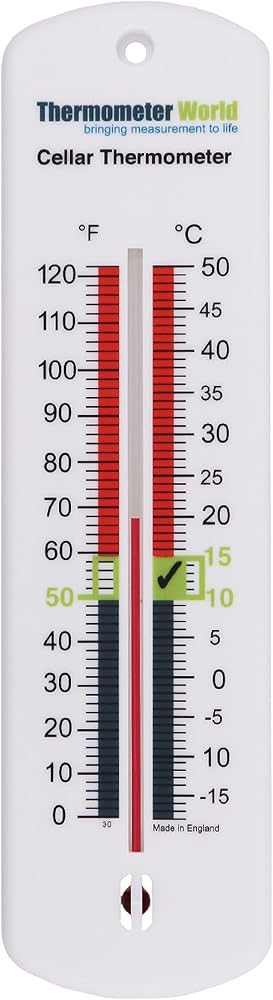
As a wine enthusiast, you may have heard that serving wine at the right temperature is crucial for maximizing its flavor and aroma. But just how much does temperature affect our perception of wine? In this article, we’ll explore the ideal temperatures for various types of wine, discuss the benefits of using a thermometer to ensure accurate readings, and provide guidance on choosing the perfect wine temperature for your next gathering.
Understanding Wine Temperature and its Impact on Taste
Temperature plays a significant role in enhancing the flavors and aromas of wine. When served at an optimal temperature, wines can reveal their full potential, while temperatures that are too high or too low can result in a lackluster experience. To put this into perspective, consider the difference between serving a rich, oaky Chardonnay at 12°C (54°F) versus 18°C (64°F). The former will showcase its buttery and vanilla notes, while the latter may make it taste flat and unbalanced.
The Science Behind Wine Temperature
Wine temperature is influenced by several factors, including:
- Chemical composition: Different compounds in wine react at varying temperatures to create distinct flavors and aromas.
- Volatile compounds: These are responsible for a wine’s aromatic properties. Volatile compounds evaporate faster at higher temperatures.
- Tannins: Tannins contribute to a wine’s bitterness and astringency, which can be affected by temperature.
Wine Temperature: A Guide by Type
Here’s a comprehensive guide to the ideal serving temperatures for various types of wine:
- Sparkling wines: 6-8°C (43-46°F)
Sparkling wines are best served chilled, as this helps preserve their carbonation and enhances their crisp acidity. - White wine: 8-10°C (46-50°F) for younger, fruitier wines and 10-12°C (50-54°F) for older, oaked wines
White wines can be divided into two categories: younger, fruit-forward wines and older, oaked wines. The ideal temperature for each will vary based on their individual characteristics. - Aromatic white wines: 10-12°C (50-54°F)
Aromatic white wines are designed to showcase their fragrant aromas. Serving them at the correct temperature allows these flavors to shine through. - Dessert wines: 10-12°C (50-54°F)
Dessert wines are typically served chilled, as this helps preserve their sweetness and enhances their complex flavor profiles. - Red wine: 14-16°C (57-61°F) for lighter-bodied wines and 16-18°C (61-64°F) for fuller-bodied, aged wines
Red wines can be divided into two categories: lighter-bodied wines and fuller-bodied, aged wines. The ideal temperature for each will vary based on their individual characteristics. - Port and Sherry: 12-14°C (54-57°F)
Port and Sherry are fortified wines that benefit from being served at a slightly cooler temperature than other types of wine.
Choosing the Right Thermometer
With so many thermometers available on the market, selecting the right one can be overwhelming. Here are some key factors to consider:
- Accuracy: Look for a thermometer with an accuracy of ±0.5°C (±0.9°F) or better.
- Ease of use: Consider a thermometer with a simple, intuitive interface and clear display.
- Durability: Choose a thermometer that is made from high-quality materials and can withstand regular use.
Some popular thermometers for wine temperature control include:
- WMF Floating Thermometer: A precise, easy-to-use thermometer perfect for home or professional use. ($16.95)
- ThermoPro Digital Wine Thermometer: A compact, affordable thermometer ideal for those just starting out with wine temperature control. ($25)
Tips and Tricks for Achieving Optimal Wine Temperature
Here are some expert tips for ensuring the perfect pour every time:
- Use a decanter: For serving complex, oaked wines, a decanter can help to aerate the wine and enhance its flavors.
- Experiment with temperature: Don’t be afraid to try different temperatures to find what works best for your palate.
- Consider the wine’s age: Older wines may benefit from being served at a slightly lower temperature than younger ones.
By following these guidelines and investing in a high-quality thermometer, you’ll be well on your way to achieving optimal wine temperature control and enjoying the full range of flavors and aromas that each bottle has to offer.


