
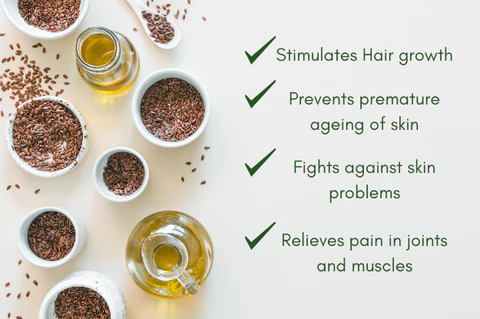
Flaxseed oil, also known as linseed oil, is a nutrient-rich oil extracted from the seeds of the flax plant (Linum usitatissimum). This versatile oil has been used for centuries in various aspects of life, from cooking to medicine, due to its high content of essential fatty acids, mucilages, proteins, minerals, vitamins B1, B2, E, and F. In this article, we will delve into the nutritional benefits, cosmetic uses, and other aspects of flaxseed oil.
Properties of Flaxseed Oil
Flaxseed oil has numerous health benefits due to its high content of essential fatty acids, particularly omega-3 and omega-6. It is an excellent source of vitamin E, which acts as a powerful antioxidant, and lecithin, a type of phospholipid that helps maintain the balance of the nervous system. Additionally, flaxseed oil has anti-inflammatory, antiseptic, and antibacterial properties, making it beneficial for digestive health.
Where to Buy Flaxseed Oil
You can find flaxseed oil in various stores, both online and offline. Some popular places to buy flaxseed oil include:
- Health food stores
- Online marketplaces like Amazon
- Specialty stores that sell organic and natural products
- Local farmers’ markets
When purchasing flaxseed oil, ensure it is of high quality and has been extracted using a cold-pressing or expeller-pressing method to preserve its nutritional properties.
How to Use Flaxseed Oil
To reap the benefits of flaxseed oil, consume two tablespoons a day with meals. However, it is essential to note that consuming flaxseed oil should not be done as a supplement, but rather as part of your regular diet. Additionally, store flaxseed oil in a cool, dark place and keep the bottle tightly sealed to prevent oxidation and rancidity.
Nutritional Benefits of Flaxseed Oil
Flaxseed oil contains a range of nutrients that make it an excellent addition to your diet. Some of the key nutritional benefits include:
- 126 calories per tablespoon
- 8g of omega-3 fatty acids
- 2g of omega-6 fatty acids
- 3g of omega-9 fatty acids
Flaxseed Oil Capsules and Perles
While flaxseed oil capsules can be convenient, they often contain small amounts of essential fatty acids. To ensure you get enough Omega-3s, consume multiple capsules daily. However, it is always best to consume whole flaxseed oil for optimal benefits.
Conserving Flaxseed Oil
To maintain its quality, keep the bottle tightly sealed and store it in a cool, dark place. If you don’t plan to use it within a month, consider refrigerating or freezing the oil to slow down oxidation.
Flaxseed Oil Capsules and Perles: Pros and Cons
While flaxseed oil capsules can be convenient, they have some limitations:
- They often contain small amounts of essential fatty acids
- They may not provide the same benefits as consuming whole flaxseed oil
- Some brands may add fillers or other ingredients that can reduce their nutritional value
Cosmetic Benefits of Flaxseed Oil for Skin and Hair
The high linoleic acid content in flaxseed oil makes it an excellent moisturizer for the skin and hair. It can help to:
- Improve skin elasticity
- Reduce inflammation
- Hydrate the skin
- Promote healthy hair growth
Use flaxseed oil as a natural remedy for acne, psoriasis, or eczema, and apply it topically after mixing with a carrier oil.
Cosmetic Uses of Flaxseed Oil for Hair
Flaxseed oil can be used as:
- A pre-shampoo treatment to nourish the hair
- An emollient to add shine and softness to dry hair
- A natural remedy for dandruff, flaking scalp, or itchy scalp
To use flaxseed oil on your hair, massage a small amount into your scalp before shampooing.
Where to Buy Flaxseed Oil for Cosmetic Use
When purchasing flaxseed oil for cosmetic use, choose products with minimal additives and ensure they are produced by reputable manufacturers. Look for organic or cold-pressed options to guarantee high-quality ingredients.
FAQs
- Q: What is the best way to consume flaxseed oil?
A: Consume two tablespoons of flaxseed oil per day with meals, rather than as a supplement. - Q: How long does flaxseed oil last?
A: Store flaxseed oil in a cool, dark place and use it within three months for optimal quality. - Q: Can I take flaxseed oil capsules daily?
A: While flaxseed oil capsules can be convenient, they often contain small amounts of essential fatty acids. Consuming multiple capsules daily may not provide the same benefits as consuming whole flaxseed oil. - Q: Is flaxseed oil suitable for pregnant women or children?
A: Consult a healthcare professional before using flaxseed oil if you are pregnant or breastfeeding, or have young children. - Q: Can I use flaxseed oil on the skin and hair?
A: Yes, flaxseed oil can be used topically as a natural remedy for various skin and hair conditions.
Conclusion
Flaxseed oil is a nutrient-rich oil that offers numerous health benefits and cosmetic uses. Its high content of essential fatty acids, mucilages, proteins, minerals, vitamins B1, B2, E, and F make it an excellent addition to your diet. Whether you use flaxseed oil for cooking, skincare, or haircare, its numerous benefits are undeniable. Always choose high-quality products and consume flaxseed oil in moderation to reap its full potential.
References
- “Flaxseed Oil: A Nutritional Review” (Journal of Nutrition)
- “The Effects of Flaxseed Oil on Skin and Hair” (Journal of Cosmetic Science)
- “Flaxseed Oil for Digestive Health” (Journal of Ethnopharmacology)


