
Introduction
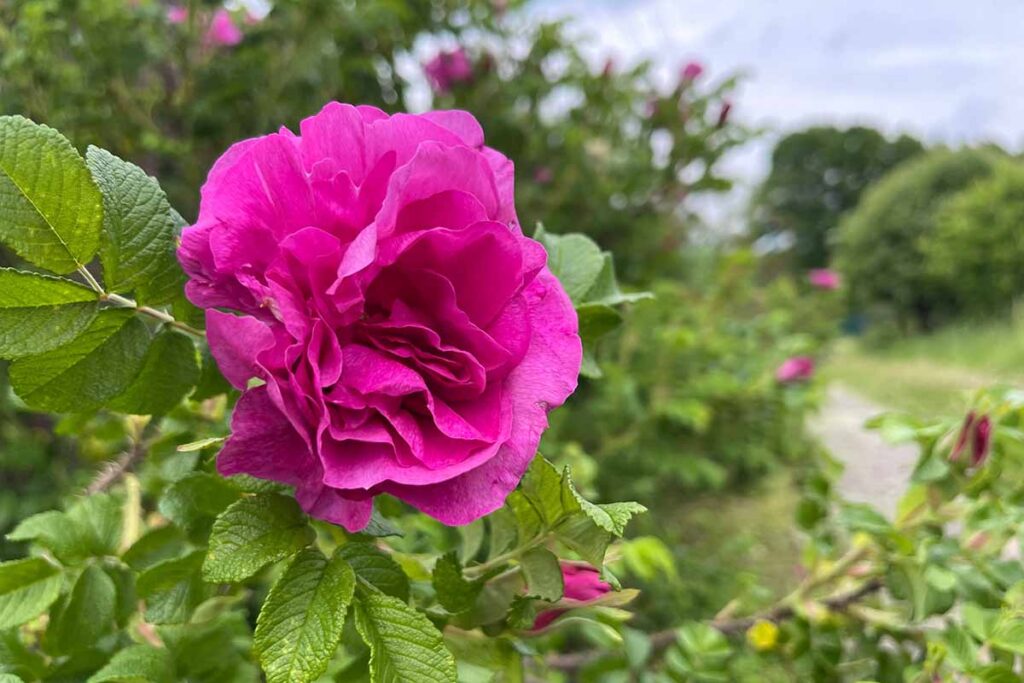
The Rosa rugosa is a versatile and adaptable rose species that can thrive in various environments. Its unique appearance, with leaf veins resembling wrinkles, has earned it the nickname “rugose.” This article will delve into the world of Rosa rugosa, exploring its cultivation, care, and uses.
History and Classification
Rosa rugosa is part of the Rosaceae family and is native to East Asia. It is also known as the Japanese rose or Rugosa rose. The name “rugosa” refers to the leaf veins that resemble wrinkles. This species has been widely cultivated for centuries due to its attractive flowers, thorny stems, and medicinal properties.
Propagation
Rosa rugosa can be easily propagated through stolons, making it a great option for gardeners. This propagation method involves dividing the plant into sections, allowing new growth to emerge from the cut ends.
To propagate Rosa rugosa, follow these steps:
- Choose a healthy stem with at least two nodes.
- Cut the stem just above a node using clean pruning tools.
- Remove lower leaves to prevent rot and promote rooting.
- Plant the cutting in well-draining soil, keeping it moist but not waterlogged.
- Provide full sun to partial shade and maintain consistent moisture until new growth emerges.
Uses of Rosa Rugosa
Rosa rugosa has various uses:
- Ornamental purposes: The rose is often used in landscaping to create beautiful and thorny hedges.
- Medicinal properties: The rose’s hips (fruit) are rich in vitamins A and C, making them a popular ingredient in herbal remedies.
- Food production: The rose’s hips can be used to make jams, jellies, and confitures.
The Rosa rugosa is also used in traditional medicine to treat various ailments, such as:
- Respiratory issues: The plant’s leaves and flowers have antiseptic properties that may help alleviate colds and coughs.
- Digestive problems: The hips of the Rosa rugosa are rich in fiber, making them a popular ingredient in natural remedies for constipation and other digestive issues.
Growing Conditions
Rosa rugosa is relatively easy to care for, as it can thrive in various environments:
- Soil quality: The plant can tolerate a range of soil types, from alkaline to acidic.
- Watering: Rosa rugosa is drought-tolerant but performs better with consistent moisture.
- Sunlight: The rose prefers full sun to partial shade.
To ensure your Rosa rugosa thrives, provide it with:
- Adequate sunlight: Plant the rose in a location that receives at least six hours of direct sunlight per day.
- Consistent watering: Water your rose regularly during hot weather and reduce watering in cooler months to prevent root rot.
- Nutrient-rich soil: Fertilize your rose once a year with a balanced fertilizer, following the instructions on the packaging for best results.
Pruning and Potting
To maintain the rose’s shape and promote healthy growth:
- Prune the plant in late winter or early spring, removing up to half of the stems.
- Use clean pruning tools to prevent the spread of diseases.
- Plant the rose at the same depth as it was previously growing.
When potting a Rosa rugosa, choose a container that is large enough to accommodate the plant’s mature size. Fill the container with well-draining soil and keep it moist but not waterlogged until new growth emerges.
Pest and Disease Management
Rosa rugosa is generally resistant to pests and diseases. However, it can be susceptible to:
- Fungal infections: Regularly inspect the plant for signs of fungal growth, such as black spots or powdery mildew.
- Insect infestations: Monitor the plant for signs of insect damage, such as holes in leaves or stems.
To prevent pest and disease issues, follow these tips:
- Inspect your rose regularly: Look for signs of pests or diseases and take action promptly to prevent their spread.
- Use clean tools: Avoid using contaminated tools that may harbor pests or diseases.
- Maintain good hygiene: Wash your hands before handling the plant, and avoid touching it with dirty gloves.
Conclusion
Rosa rugosa is a versatile and adaptable rose species that can thrive in various environments. With proper care and attention to its needs, this beautiful flower can provide years of enjoyment and beauty. By understanding its uses, growing conditions, and pest management needs, you can cultivate a thriving Rosa rugosa garden.
FAQs
- What is the best time to plant a Rosa rugosa?
- The ideal time to plant is in late winter or early spring, when the threat of frost has passed.
- How often should I water my Rosa rugosa?
- Water your rose regularly during hot weather and reduce watering in cooler months to prevent root rot.
- Can I use chemicals to control pests on my Rosa rugosa?
- While some pesticides can be effective, it’s best to avoid using them whenever possible. Instead, try integrated pest management techniques that promote a balanced ecosystem.
- How often should I prune my Rosa rugosa?
- Prune your rose in late winter or early spring to maintain its shape and promote healthy growth.
- Can I grow Rosa rugosa in containers?
- Yes, you can grow Rosa rugosa in containers, but make sure the container is large enough to accommodate the plant’s mature size.
- How long does it take for a Rosa rugosa to bloom?
- The blooming period of a Rosa rugosa can vary depending on factors such as climate and soil quality, but typically starts around May and ends in September.
- Can I use my Rosa rugosa flowers for medicinal purposes?
- Yes, the hips (fruit) of the Rosa rugosa are rich in vitamins A and C and can be used to make herbal remedies.
- How often should I fertilize my Rosa rugosa?
- Fertilize your rose once a year with a balanced fertilizer, following the instructions on the packaging for best results.
By following these tips and understanding the needs of your Rosa rugosa, you can enjoy this beautiful flower’s unique qualities for years to come.


