
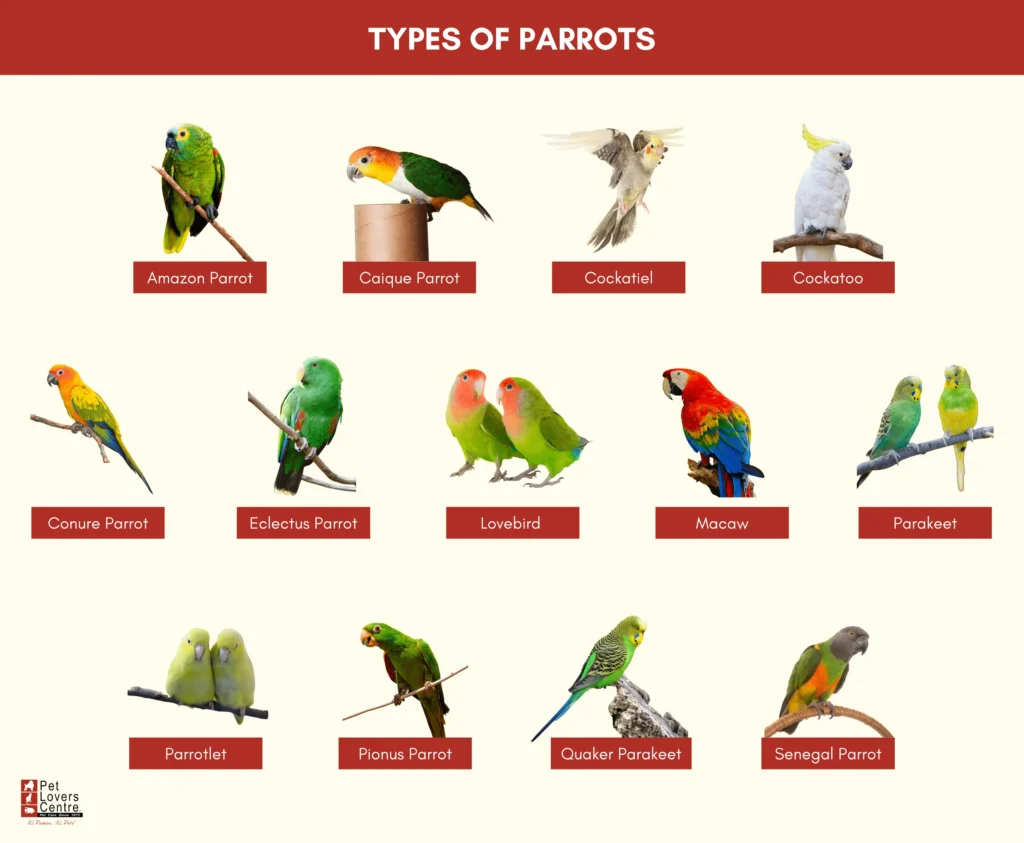
As a seasoned parrot owner, you’re likely aware of the unique bond that can form between humans and these vibrant creatures. However, it’s essential to approach the world of domestic parrots with caution and understanding, as their behavior can be quite unpredictable.
Understanding Parrot Behavior
While some people view parrots as “a handful,” others see them as loving companions. The truth lies somewhere in between. With proper care, attention, and training, many parrots can become beloved members of the family. However, it’s crucial to recognize that these birds have their own personalities, needs, and quirks.
Common Myths about Parrots
Some people claim that parrots are aggressive, noisy, or destructive. While these behaviors can occur in some cases, they are often a result of neglect, poor care, or inadequate socialization. By understanding the needs and personalities of individual parrots, you can create a harmonious living environment.
Choosing the Right Parrot for You
With over 350 species of parrots, selecting the perfect companion can be overwhelming. Here are some popular domestic parrot breeds to consider:
Cockatiels
- Known for their gentle, affectionate nature
- Medium-sized (12-15 inches)
- Require regular social interaction and exercise
African Greys
- Famous for their intelligence and ability to mimic human speech
- Large (12-16 inches), long-tailed
- Need plenty of attention, stimulation, and social interaction
Lovebirds
- Small, colorful birds that thrive in pairs or groups
- Require a lot of social interaction and attention
- Can be noisy, so consider this before bringing one home
Conures
- Medium to large-sized (10-18 inches)
- Known for their playful, curious nature
- Need plenty of exercise and stimulation to prevent boredom
Parrot Care 101
Before welcoming a parrot into your life, ensure you’re prepared to provide the necessary care:
- Spacious Cage: A large cage or aviary with ample ventilation is essential for your parrot’s physical and mental well-being.
- Balanced Diet: Offer a variety of fresh fruits, vegetables, and pellets specifically formulated for parrots.
- Social Interaction: Spend quality time with your parrot daily, engaging in activities like playtime, training, or simply cuddling.
Parrot Behavior: What to Expect
Squawking and Vocalization
- Parrots will vocalize to communicate their needs, emotions, and intentions
- Understand that some parrots are naturally louder than others
Feather Plucking and Self-Mutilation
- Can be a sign of stress, boredom, or health issues
- Consult with a veterinarian or avian behaviorist for guidance
Aggression and Biting
- May indicate fear, anxiety, or territorialism
- Seek professional help to address these behaviors
Parrot Health
Regular veterinary check-ups are crucial to maintaining your parrot’s overall health. Here are some common health issues to watch out for:
- Beak problems: Regular trimming and monitoring can prevent beak overgrowth.
- Respiratory infections: Keep an eye out for signs of illness, such as labored breathing or wheezing.
- Parrot psittacosis: A bacterial infection that can be transmitted through close contact with infected birds. Take precautions when handling your parrot or interacting with other birds.
Conclusion
Domestic parrots can bring immense joy and companionship into your life. By understanding their unique personalities, needs, and quirks, you can create a harmonious living environment that promotes happiness and well-being for both you and your feathered friend.
Frequently Asked Questions
Q: What’s the best way to train a parrot?
A: Positive reinforcement techniques, like offering treats and praise, are effective in training parrots. Be patient, consistent, and gentle when interacting with your bird.
Q: How often should I clean my parrot’s cage?
A: Clean your parrot’s cage at least once a week, removing soiled bedding, cleaning food and water dishes, and disinfecting surfaces to prevent the spread of diseases.
Q: Can parrots be left alone for extended periods?
A: While some parrots can tolerate being alone, most require daily social interaction to stay happy and healthy. If you’re away from home for an extended period, consider hiring a pet sitter or asking a trusted friend/family member to visit your parrot.
Q: How long do parrots live?
A: The lifespan of domestic parrots varies greatly depending on the species, size, diet, and living conditions. On average, many parrots can live between 30-60 years in captivity.
Q: Can I keep multiple parrots together?
A: Yes, some parrot species are compatible with each other, but it’s essential to research compatibility before introducing new birds to your flock. Introducing incompatible birds can lead to stress, aggression, and even health issues.
Q: What’s the best way to provide exercise for my parrot?
A: Offer a variety of toys, perches, and activities that challenge and engage your parrot, such as swings, ladders, or foraging toys. Rotate toys regularly to prevent boredom and stimulate mental growth.
Q: Can I take my parrot on trips with me?
A: Yes, but ensure you’ve researched airline regulations, pet-friendly accommodations, and the specific needs of your parrot before embarking on a trip. Consult with a veterinarian or experienced parrot owner for guidance on traveling with birds.


