
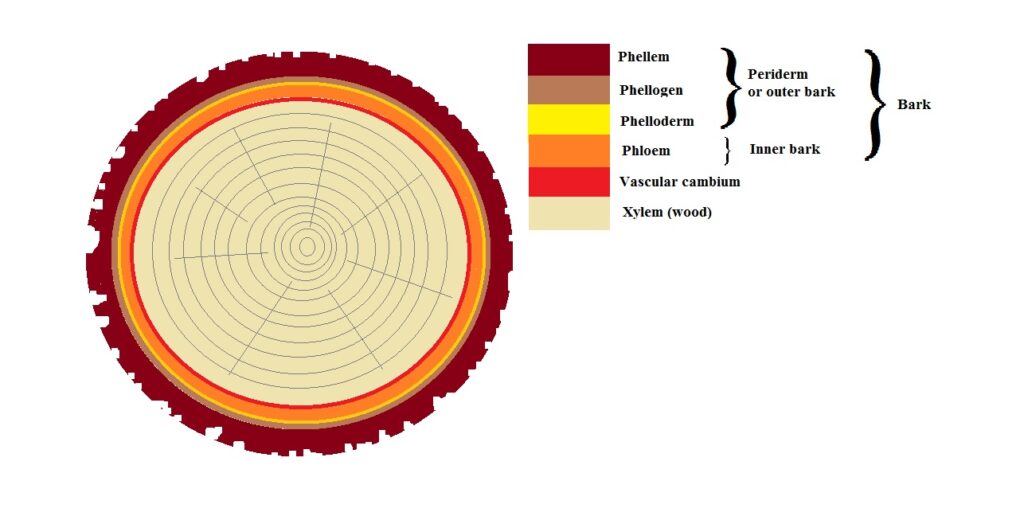
(H1) Introduction to Tree Bark
Tree bark is often overlooked as a mere aesthetic feature, but it plays a vital role in the life cycle of trees. Not only does it protect the underlying wood, but it also has various uses that can be beneficial for both humans and animals.
What is Tree Bark?
(H2) Properties and Characteristics of Tree Bark
Tree bark serves as a protective layer, shielding the tree’s innerwood from external damage. It is similar to our veins, where blood flows through them, carrying essential nutrients and oxygen to the rest of the body. Just like how we need proper care for our veins, trees require protection for their bark.
Why is Tree Bark Important?
(H3) The Role of Tree Bark in the Life Cycle of Trees
Tree bark serves several purposes:
- Protection: It shields the tree’s innerwood from damage caused by factors like disease, insects, and environmental stressors.
- Regulation: It helps regulate water loss and maintains a stable internal environment within the tree.
- Food source: Some animals, like birds and squirrels, feed on the bark, providing them with essential nutrients.
Types of Tree Bark
(H4) Exploring the Various Types of Tree Bark
There are numerous types of tree bark, each with its unique characteristics:
- Cannella bark (from the Cinnamomum verum tree): This type of bark is used to produce cinnamon.
- Sughera bark (from the Quercus suber tree): It is harvested to create siphonophores, a natural adhesive.
- Aspirina bark (from the Salix alba tree): The bark contains salicylic acid, which was used to produce aspirin before synthetic alternatives became available.
How to Protect Tree Bark
(H5) Tips for Safely Removing and Preserving Tree Bark
To avoid damaging the bark, follow these guidelines:
- Use proper tools: Use specialized equipment, such as a saw or pruning shears, to cut the bark cleanly.
- Avoid using knives or scissors: These can easily damage the underlying wood or cause the bark to tear.
Corteccia Albero: Arnese per Asportarla
(H6) Specialized Tools for Removing Tree Bark
There are various tools available for safely removing tree bark:
- Scortecciatores: These devices are designed specifically for cutting and removing bark.
- Scanalatrici e frasi: They can be used to make precise cuts in the bark.
Riconoscere la Corteccia Albero
(H7) How to Identify Different Types of Tree Bark
To identify various types of tree bark, look for distinct features:
- Color and texture: Observe the color and texture of the bark, which can vary depending on the species.
- Patterns and markings: Notice any patterns or markings on the bark, such as stripes or spots.
Corteccia Albero: Tipi
(H8) Exploring Different Types of Tree Bark
There are numerous types of tree bark, each with its unique characteristics:
- Quercus suber: This type of bark is used to produce siphonophores.
- Salix alba: The bark contains salicylic acid.
Corteccia Albero: Pacciamatura
(H9) Using Tree Bark as a Mulch
Tree bark can be used as a natural mulch, which provides several benefits:
- Soil insulation: It helps regulate soil temperature and retain moisture.
- Weed suppression: The bark prevents weeds from growing by blocking light.
Corteccia Albero: Come Toglierla
(H10) Removing Tree Bark Safely
To remove tree bark safely, follow these guidelines:
- Use proper tools: Use specialized equipment to cut the bark cleanly.
- Avoid using knives or scissors: These can damage the underlying wood or cause the bark to tear.
Benefits of Using Tree Bark
(H11) The Benefits of Using Tree Bark
Using tree bark has several benefits, including:
- Sustainable resource: It is a natural and renewable resource that can be harvested without harming the tree.
- Environmental benefits: It helps regulate soil temperature and retain moisture, reducing the need for synthetic fertilizers and pesticides.
Cultivating Tree Bark Harvesting Practices
(H12) The Importance of Sustainable Tree Bark Harvesting Practices
To ensure the long-term sustainability of tree bark harvesting practices, follow these guidelines:
- Only harvest what is needed: Only harvest the amount of bark necessary for your purposes.
- Avoid over-harvesting: Avoid removing too much bark at once to prevent harming the tree.
- Respect local regulations: Check with local authorities to ensure that you are following all relevant laws and regulations.
Conclusion
Tree bark is a fascinating aspect of nature that plays a vital role in the life cycle of trees. By understanding its properties, uses, and identification methods, we can appreciate the complexity and beauty of these natural wonders.
FAQs
- What is tree bark?
- Tree bark is a protective layer that shields the innerwood from external damage.
- Why is tree bark important?
- It serves several purposes, including protection, regulation, and providing food for animals.
- How do I identify different types of tree bark?
- Look for distinct features such as color, texture, patterns, and markings.
- What are the benefits of using tree bark as a mulch?
- It provides soil insulation, retains moisture, and suppresses weeds.
- How do I safely remove tree bark?
- Use proper tools, avoid using knives or scissors, and follow guidelines for specific species.
By embracing our appreciation for tree bark, we can foster a deeper connection with nature and promote sustainable practices that benefit both humans and the environment.


