
As a gardener, you’re likely familiar with the importance of pruning plants to maintain their health and promote optimal growth. However, when it comes to oleander plants (Nerium oleander), there are some unique considerations that require attention.
Why Prune Oleander Plants?
Oleander plants can be notoriously difficult to prune, but it’s essential to do so to prevent the spread of toxic compounds throughout your garden or yard. The plant contains a high concentration of oleandrin, an alkaloid that can cause severe skin irritation and other health problems if ingested.
Safety First: Precautions for Pruning Oleander
Before you begin pruning your oleander plants, make sure to take the necessary precautions:
- Wear protective gloves and eyewear
- Work in a well-ventilated area, away from direct sunlight
- Avoid touching your face or eyes while handling the plant
- Keep children and pets at a safe distance
When to Prune Oleander Plants
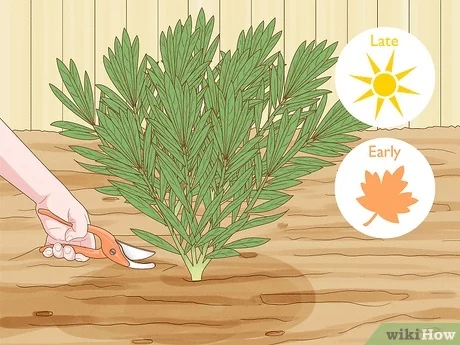
The ideal time to prune oleander plants depends on your location and climate. In general, it’s best to prune in late summer or early fall, as this allows the plant to recover before winter.
However, if you live in a warm climate, you may be able to prune in late spring or early summer. Be sure to check with local nurseries or gardening experts for specific advice on pruning oleander plants in your area.
Pruning Techniques for Oleander Plants
When it comes to pruning oleander plants, there are a few key techniques to keep in mind:
- Remove dead and diseased branches: This will help prevent the spread of disease and encourage healthy growth.
- Shape the plant: Prune the plant to maintain its desired shape or size. Be sure to remove any branches that are crossing or rubbing against each other.
- Promote flowering: Pruning can help promote blooming, but be careful not to prune too much at once.
Choosing the Right Tools
When it comes to pruning oleander plants, you’ll want to use the right tools for the job. Here are a few options:
- Forbici con cricchetto: These are great for pruning smaller branches and can help prevent splintering.
- Pruning saws: For larger branches, consider using a pruning saw to make clean cuts.
Additional Tips
Here are a few additional tips to keep in mind when pruning oleander plants:
- Make clean cuts: Cut branches at a 45-degree angle to promote healthy growth.
- Dispose of debris properly: Dispose of any pruned material in a secure container, away from children and pets.
- Monitor for pests and diseases: Keep an eye out for signs of pests or diseases, and take action promptly if you notice any issues.
Frequently Asked Questions
Here are a few frequently asked questions about pruning oleander plants:
- Are olanger plants toxic to humans?
- Yes, oleander plants contain toxic compounds that can cause severe skin irritation, nausea, vomiting, and even death if ingested.
- Can I use regular gardening tools to prune my oleander plant?
- No, it’s not recommended to use regular gardening tools on oleander plants due to the risk of splintering or spreading toxic compounds.
- How often should I prune my oleander plant?
- Prune your oleander plant at least once a year to maintain its shape and promote healthy growth.
- Can I use my oleander plant as a food source for wildlife?
- No, oleander plants are toxic to humans and animals alike, so it’s not recommended to use them as a food source.
- How do I dispose of pruned olanger branches?
- Dispose of pruned olanger branches in a secure container, away from children and pets.
By following these guidelines and taking the necessary precautions, you can enjoy the beauty and benefits of your oleander plant while minimizing the risks associated with pruning.


