
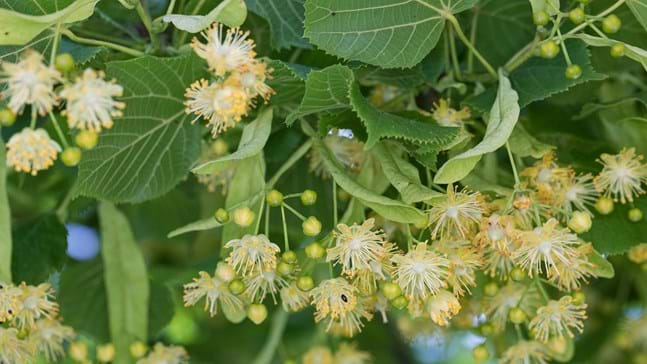
Tiglio, a low-maintenance garden tree with beautiful foliage and intoxicating fragrant flowers, has been a part of Italian culture for centuries. But beyond its ornamental value, tiglio offers numerous benefits when used in cooking, as a pollinator plant, and even as a source of medicinal teas.
What is Tiglio?
Tiglio (Tilia sylvestris) is a deciduous leaf species native to Europe, known for its striking heart-shaped leaves with serrated edges. There are two wild species found in Italy: Tilia sylvestris and Tilia platyphylla. Tiglio trees can grow up to 30 meters tall and require a significant amount of space to thrive.
History of Tiglio
Tiglio has been used for centuries in Italian culture, particularly in the north. In ancient times, tiglio was considered a sacred tree by the Romans, who believed it had healing properties. The tree’s leaves were also used as a natural dye, while its flowers and buds were consumed as a source of food and medicine.
Why Cultivate Tiglio?
So, why cultivate tiglio? Here are just a few reasons:
- Ornamental Value: Tiglio’s beautiful foliage provides a pleasant shade in summer and its fragrant flowers release an intoxicating scent.
- Low Maintenance: Tiglio is a low-maintenance tree that requires minimal care and can be grown as a small tree or shrub with regular pruning.
- Pollinator Plant: Tiglio attracts bees and butterflies, making it an excellent choice for gardeners who want to support local pollinators.
- Edible Parts: The flowers, leaves, and buds of tiglio are edible and can be used in cooking, as a source of medicinal teas, or even as a natural food coloring.
Tiglio Flowering
The flowering period of tiglio coincides with early summer temperatures: between June and July. During this time, the tree produces small greenish fruit 4-5 mm in diameter and brownish at maturity. The flowers are hermaphrodite, with a calyx of 5 sepals and a corolla of yellow-gold color.
Tiglio Flowers: Where to Find Them
If you’re looking for tiglio flowers, they can be easily found in areas far from pollution, smog, or industrial waste. It’s essential to pick the flowers before they are completely open, as they should be dried before consumption. If you don’t know where to find them, you can always count on online sales.
Cultivating Tiglio
To cultivate tiglio, it’s recommended to buy a plant with between 5 and 10 years of life, ready for transplant shock. This will ensure that the tree provides leaves, buds, and flowers already from the first year of cultivation. For more information, visit the article “How to Grow Tiglio”.
Tiglio in Cooking
The edible parts of tiglio include its flowers, leaves, and buds. Buds can be consumed after boiling, while young leaves are best eaten raw in salad or mixed with other species of salad. Adult leaves can also be consumed, but always raw only after removing the central nervous axis harder.
Medicinal Properties
Tiglio has been used for centuries as a source of medicinal teas, particularly for its antioxidant and anti-inflammatory properties. The tree’s leaves contain high levels of flavonoids, which have been shown to have various health benefits, including reducing inflammation and improving cardiovascular health.
Conclusion
Tiglio is a versatile tree that offers numerous benefits when used in cooking, as a pollinator plant, and even as a source of medicinal teas. With its beautiful foliage, intoxicating fragrant flowers, and edible parts, tiglio is an excellent addition to any garden or kitchen.
Tips for Growing Tiglio
- Choose a location with full sun to partial shade.
- Water the tree regularly during the first year of cultivation.
- Fertilize the tree annually with a balanced fertilizer.
- Prune the tree regularly to maintain its shape and promote healthy growth.
Common Problems
- Pests: Tiglio is susceptible to pests such as aphids, whiteflies, and spider mites. Regularly inspect the tree for signs of infestation and treat promptly if necessary.
- Diseases: Tiglio can be affected by diseases such as powdery mildew and leaf spot. Regularly inspect the tree for signs of disease and treat promptly if necessary.
Conclusion
Tiglio is a beautiful and versatile tree that offers numerous benefits when used in cooking, as a pollinator plant, and even as a source of medicinal teas. With its beautiful foliage, intoxicating fragrant flowers, and edible parts, tiglio is an excellent addition to any garden or kitchen.


