
Introduction
As the world grapples with the challenges of climate change, poverty, and inequality, the concept of sustainable development has become increasingly important. But what does it mean to live sustainably, and how can we achieve this goal? In this article, we will explore the definition of sustainable development, its connection to Earth Overshoot Day, provide practical tips for sustainable living, discuss the 17 Sustainable Development Goals (SDGs), and offer recommendations for further learning.
What is Sustainable Development?
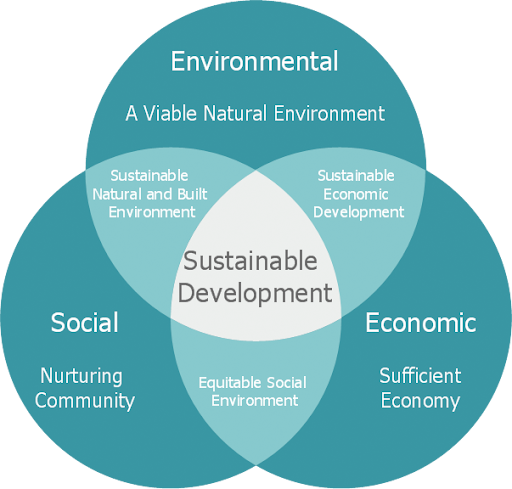
The concept of sustainable development was first introduced by the World Wildlife Fund (WWF) in their report “Living Planet Report: Which Way to Go?” Sustainable development means learning to live within the limits of our planet. We must recognize that Earth has its own boundaries and limitations, not infinite resources. By acknowledging this reality, we can make changes to our actions and choices to avoid damaging the planet.
Sustainable development requires a radical shift in our way of living. It’s about making sure everyone can live with dignity while preserving natural systems from which we derive our resources. This means reducing waste, conserving natural habitats, and promoting eco-friendly practices.
Earth Overshoot Day: A Warning Sign
If we continue to consume Earth’s resources at the same rate as before, we risk passing beyond the point of sustainability. The concept of Earth Overshoot Day (EOD) was introduced by the Global Footprint Network, an association that calculates the number of days in a year when human activity exceeds the planet’s ability to provide for us.
In 2020, EOD fell on August 22nd. This date marks the point at which our consumption of resources has exceeded the Earth’s capacity to produce them. If we continue down this path, where will it lead us?
The Consequences of Unsustainable Development
If we fail to adopt sustainable practices and continue consuming resources at an unsustainable rate, we risk facing severe consequences. Some of these consequences include:
- Climate Change: The continued burning of fossil fuels, deforestation, and land degradation contribute to climate change, which has devastating effects on ecosystems, human health, and the economy.
- Resource Depletion: Overfishing, overhunting, and the depletion of non-renewable resources like water and minerals can lead to scarcity and economic instability.
- Loss of Biodiversity: The destruction of natural habitats and the loss of species contribute to biodiversity decline, which has significant implications for human health, food security, and ecosystem services.
- Soil Degradation: Soil erosion, salinization, and nutrient depletion threaten global food security, as soil is essential for agriculture and ecosystem functioning.
Practical Tips for Sustainable Living
So, what can we do to live more sustainably? Here are some practical tips:
- Limit human intervention to preserve natural systems and maintain their vitality.
- Adopt efficient technologies in production that prioritize resource conservation.
- Set limits on non-renewable resource extraction within its regenerative capacity.
- Reduce waste and emissions from social systems by promoting eco-friendly practices.
- Use renewable energy sources like solar, wind, and hydroelectric power.
- Eat a plant-based diet to reduce greenhouse gas emissions and support sustainable agriculture.
- Conserve water and reduce water waste through efficient irrigation systems and low-flow appliances.
Sustainable Development Goals (SDGs)
The 17 Sustainable Development Goals (SDGs) are a set of global objectives aimed at achieving sustainable development. They provide a framework for governments, businesses, and individuals to work towards a more equitable and sustainable world. The SDGs cover three main areas: economic growth, social justice, and environmental protection.
Here’s an overview of the 17 SDGs:
- No Poverty: Eradicate poverty in all its forms.
- Zero Hunger: Ensure food security and nutrition for all.
- Good Health: Promote healthy lives and prevent disease.
- Quality Education: Ensure inclusive and equitable quality education.
- Gender Equality: Promote equality between men and women.
- Clean Water and Sanitation: Provide access to clean water and sanitation for all.
- Affordable and Clean Energy: Ensure access to affordable, reliable, sustainable energy.
- Decent Work: Promote decent work and economic growth.
- Industry, Innovation and Infrastructure: Build resilient infrastructure, promote sustainable industries, and encourage innovation.
- Reduced Inequalities: Reduce inequalities within and between countries.
- Sustainable Cities and Communities: Make cities and communities inclusive, safe, resilient, and sustainable.
- Responsible Consumption and Production: Promote sustainable consumption and production patterns.
- Climate Action: Take urgent action to combat climate change.
- Life Below Water: Conserve and sustainably use the world’s oceans, seas, and marine resources.
- Life on Land: Protect, restore, and promote sustainable use of terrestrial ecosystems.
- Peace, Justice and Strong Institutions: Promote peace, justice, and inclusive institutions.
- Partnerships for the Goals: Strengthen partnerships for sustainable development.
How to Achieve Sustainable Development
Achieving sustainable development requires a multifaceted approach that involves individuals, communities, organizations, and governments. Here are some ways to achieve sustainable development:
- Education and Awareness: Educate yourself and others about sustainable practices and their benefits.
- Individual Actions: Make conscious choices in your daily life to reduce waste, conserve resources, and promote eco-friendly practices.
- Community Engagement: Engage with your community to develop local initiatives that promote sustainable development.
- Policy Changes: Advocate for policy changes at the local, national, and international levels to support sustainable development.
- Business Integration: Encourage businesses to adopt sustainable practices and integrate them into their operations.
Conclusion
Sustainable development is a complex and multifaceted concept that requires our attention and action. By understanding the definition of sustainable development, its connection to Earth Overshoot Day, and the 17 SDGs, we can make informed choices about how we live our lives. We must recognize the limitations of our planet and work towards preserving natural systems while promoting eco-friendly practices.
Frequently Asked Questions
- What is the definition of sustainable development?
Sustainable development means learning to live within the limits of our planet’s resources, ensuring a high quality of life for all while preserving natural systems. - What is Earth Overshoot Day (EOD)?
EOD marks the point at which human activity exceeds the planet’s ability to provide for us, calculated by the Global Footprint Network. - How can we live more sustainably?
Limit human intervention, adopt efficient technologies, and reduce waste and emissions from social systems. - What are the 17 Sustainable Development Goals (SDGs)?
The SDGs provide a framework for achieving sustainable development, covering economic growth, social justice, and environmental protection. - Why is sustainable development important?
Sustainable development is crucial for ensuring a livable future, addressing climate change, poverty, and inequality, and promoting eco-friendly practices.
Additional Resources
- Global Footprint Network: A global network that calculates the number of days in a year when human activity exceeds the planet’s ability to provide for us.
- United Nations Sustainable Development Goals (SDGs): The official website for the SDGs, providing information on the goals and their implementation.
- WWF Living Planet Report: The report by WWF that introduced the concept of sustainable development.
- Earth Overshoot Day Calculator: A tool to calculate your personal overshoot day and identify areas for improvement.


