
As we grow our food, we rely on synthetic fertilizers that are rich in nitrogen. However, these fertilizers come with a hefty price tag – not just for our wallets, but also for the environment. The excessive use of nitrogen-based fertilizers has been linked to some serious issues, including:
- Loss of biodiversity
- Climate change
- Air pollution from ozone depletion
But what if we could find an alternative? What if we could turn waste into fertilizer?
Understanding the Problem with Synthetic Fertilizers
Synthetic fertilizers are made from non-renewable resources such as natural gas, oil, and coal. These resources are finite and contribute to greenhouse gas emissions when produced and used. Additionally, synthetic fertilizers can have negative environmental impacts, including:
- Water pollution
- Soil degradation
- Loss of crop yields due to overuse
The Power of Biogas
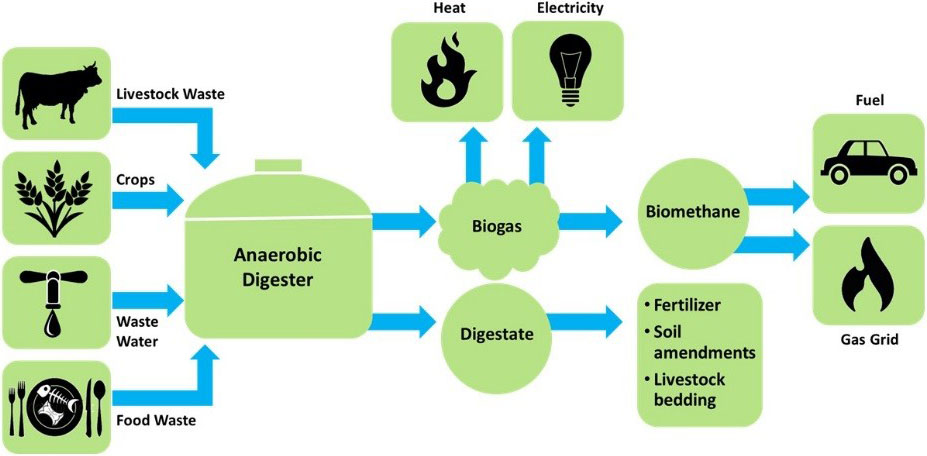
Biogas is a renewable energy source that can be produced from organic matter like food waste, agricultural waste, and even sewage. By harnessing the power of biogas, we can create fertilizers that are not only environmentally friendly but also more effective than traditional synthetic fertilizers.
A New Way to Think About Waste
In many parts of the world, waste is seen as a problem to be solved, rather than an opportunity to be harnessed. But what if we could turn waste into something valuable? What if we could create fertilizer from the very materials that would otherwise end up in landfills?
The Arkaute Project: A Step Towards a Sustainable Future
In the Basque region of Spain, a team of researchers and industry experts are working together to develop an innovative project that turns organic waste into fertilizer. The Arkaute project aims to build an anaerobic digestion plant that can process up to 28,000 tons of organic material per year.
How It Works
The biogas produced from the anaerobic digestion process is then used to create a high-quality fertilizer through a combination of hydrolysis and granulation. The resulting fertilizer is not only environmentally friendly but also more effective than traditional synthetic fertilizers.
Why This Matters
As we look to the future, it’s clear that our relationship with waste needs to change. We need to start seeing waste as an opportunity rather than a problem. And by harnessing the power of biogas and organic waste, we can create a more sustainable food system for generations to come.
The Benefits of Biogas-Based Fertilizers
Biogas-based fertilizers have several benefits over traditional synthetic fertilizers:
- Environmental benefits: Biogas-based fertilizers are made from renewable energy sources and do not contribute to greenhouse gas emissions.
- Cost-effective: Biogas production can be a cost-effective way to produce fertilizer, as it uses organic waste that would otherwise end up in landfills.
- Improved crop yields: Biogas-based fertilizers have been shown to improve crop yields and increase plant growth rates.
Challenges and Limitations
While biogas-based fertilizers offer several benefits, there are also challenges and limitations to consider:
- Scalability: While biogas production can be scaled up or down depending on demand, it may not be feasible for large-scale agricultural operations.
- Infrastructure: Biogas infrastructure may need to be developed to support widespread adoption of biogas-based fertilizers.
- Regulatory frameworks: Regulatory frameworks may need to be established to ensure safe and efficient production and use of biogas-based fertilizers.
The Future of Sustainable Agriculture
As we look to the future, it’s clear that sustainable agriculture practices will play a critical role in addressing environmental challenges. Biogas-based fertilizers offer one promising solution for reducing greenhouse gas emissions and promoting sustainable agriculture practices.
By harnessing the power of biogas and organic waste, we can create more environmentally friendly and cost-effective fertilizer options for farmers and agricultural industries. As we move forward, it’s essential that we prioritize sustainability and environmental stewardship in our food system.


