
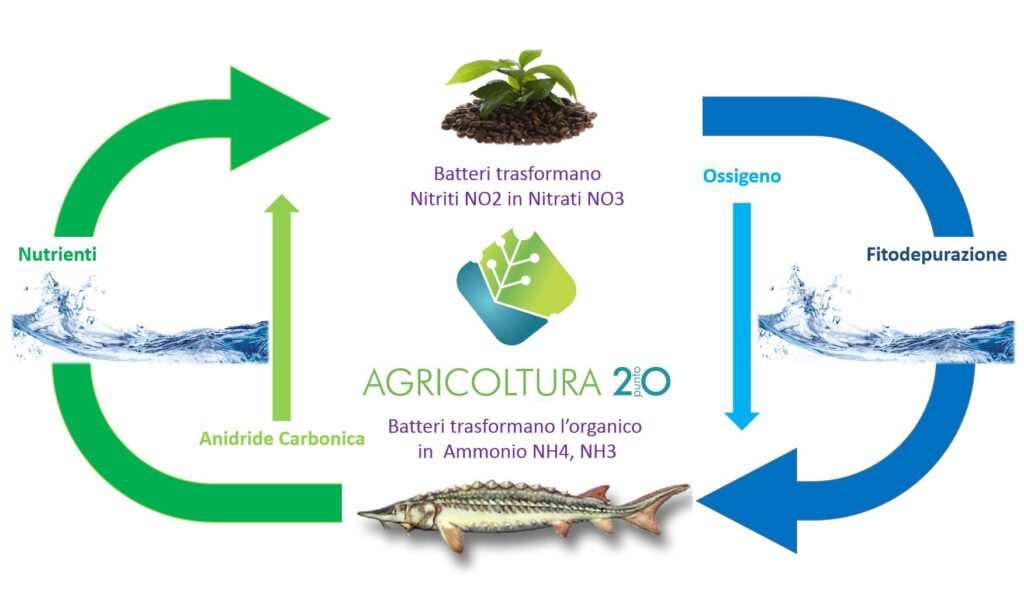
In an era where land scarcity and urbanization are on the rise, a new approach to agriculture has emerged – Agriculture 2.0. This innovative system aims to bring farming into densely populated urban areas, providing fresh produce to residents while minimizing transportation costs.
What is Agriculture 2.0?
Agriculture 2.0 refers to the integration of advanced technologies and sustainable practices in urban agriculture. It encompasses a range of strategies, including vertical farming, hydroponics, aeroponics, and precision irrigation systems. The goal of Agriculture 2.0 is to create efficient, productive, and environmentally friendly agricultural systems that can thrive in urban environments.
The Challenges of Urban Agriculture
Urbanization has led to a significant decrease in arable land, making it challenging for farmers to maintain traditional agricultural practices. Cementification and soil degradation have also become pressing concerns, forcing farmers to rethink their approach to sustainable agriculture.
A New Era in Agriculture: The Rise of Vertical Farming
One of the most notable examples of Agriculture 2.0 is vertical farming. This type of farming involves growing crops in vertically stacked layers, often within a controlled environment. By leveraging technologies like hydroponics and aeroponics, vertical farmers can optimize growth while minimizing waste.
The Science Behind Vertical Farming
Vertical farming relies on specialized incubators that mimic natural conditions for plant growth. These incubators, which range from 4 to 8 square meters in size, regulate light, water, and temperature to create an optimal environment for crops. By harnessing the power of rainwater harvesting and CO2 management, vertical farmers can achieve remarkable yields.
The Appareil Project: Revolutionizing Urban Agriculture
A recent innovation in vertical farming is the Appareil project, which aims to construct modular towers designed specifically for vertical cultivation. With estimates suggesting a potential yield of up to 42 kilograms of produce per day, these towers have the potential to feed residents within a 1.5-kilometer radius.
The Potential Impact of Vertical Farming
If scaled up and implemented widely, vertical farming could significantly alleviate urban food security concerns. By reducing transportation costs and increasing local production, cities can become more self-sufficient in their agricultural needs. Additionally, vertical farming has the potential to reduce greenhouse gas emissions associated with traditional agriculture, making it a more sustainable option.
Benefits of Urban Agriculture: Why It Matters
Urban agriculture offers numerous benefits for both individuals and communities:
- Increased access to fresh produce
- Reduced carbon footprint
- Improved air quality
- Enhanced urban livability
As we look to the future, it’s essential that we consider innovative approaches like Agriculture 2.0 and vertical farming. By embracing new technologies and strategies, we can create more sustainable, equitable, and resilient urban ecosystems.
Frequently Asked Questions
- What is the primary advantage of vertical farming?
- Reduced land use while increasing yields
- How does Appareil project differ from traditional agriculture?
- Modular design for efficient production
- What are some benefits of urban agriculture beyond food security?
- Improved air quality, reduced carbon footprint, and enhanced urban livability
- Can vertical farming replace traditional agriculture entirely?
- Not yet, but it has the potential to make significant contributions to sustainable agriculture practices
- How can I get involved in urban agriculture initiatives?
- Research local organizations or community gardens in your area and consider volunteering or participating in educational programs
- What role does vertical farming play in addressing climate change?
- By reducing transportation costs, increasing local production, and promoting sustainable agriculture practices
- How can I support the development of urban agriculture infrastructure?
- Advocate for zoning laws that accommodate urban agriculture projects, donate to initiatives supporting urban agriculture development, or volunteer your time to help build community gardens
- What are some potential challenges associated with large-scale vertical farming?
- Energy consumption, water usage, and potential environmental impacts need to be carefully managed as the industry grows
Challenges and Opportunities
While Agriculture 2.0 presents numerous benefits and opportunities, there are also several challenges that must be addressed:
- Energy Consumption: Vertical farming requires significant amounts of energy for lighting, cooling, and heating. As the industry grows, it’s essential to develop more efficient energy systems.
- Water Usage: Hydroponics and aeroponics require large amounts of water, which can strain local resources. Implementing water-efficient systems is crucial to minimizing waste.
- Environmental Impact: Vertical farming can have a significant environmental impact if not managed properly. This includes managing CO2 levels, preventing soil erosion, and reducing waste.
Conclusion
Agriculture 2.0 represents a new era in urban agriculture, with vertical farming at the forefront of innovation. By embracing this approach, we can create more sustainable, equitable, and resilient urban ecosystems. As we look to the future, it’s essential that we consider the challenges associated with Agriculture 2.0 and work together to address them.
Future Directions
As Agriculture 2.0 continues to evolve, there are several key areas of focus:
- Increased Efficiency: Developing more efficient energy systems and water management strategies will be crucial to minimizing waste and reducing costs.
- Reducing Environmental Impact: Implementing sustainable practices and managing CO2 levels will help minimize the environmental impact of vertical farming.
- Community Engagement: Encouraging community engagement and education will help build support for Agriculture 2.0 initiatives.
By working together, we can create a brighter future for urban agriculture and ensure that Agriculture 2.0 continues to thrive in the years to come.


