
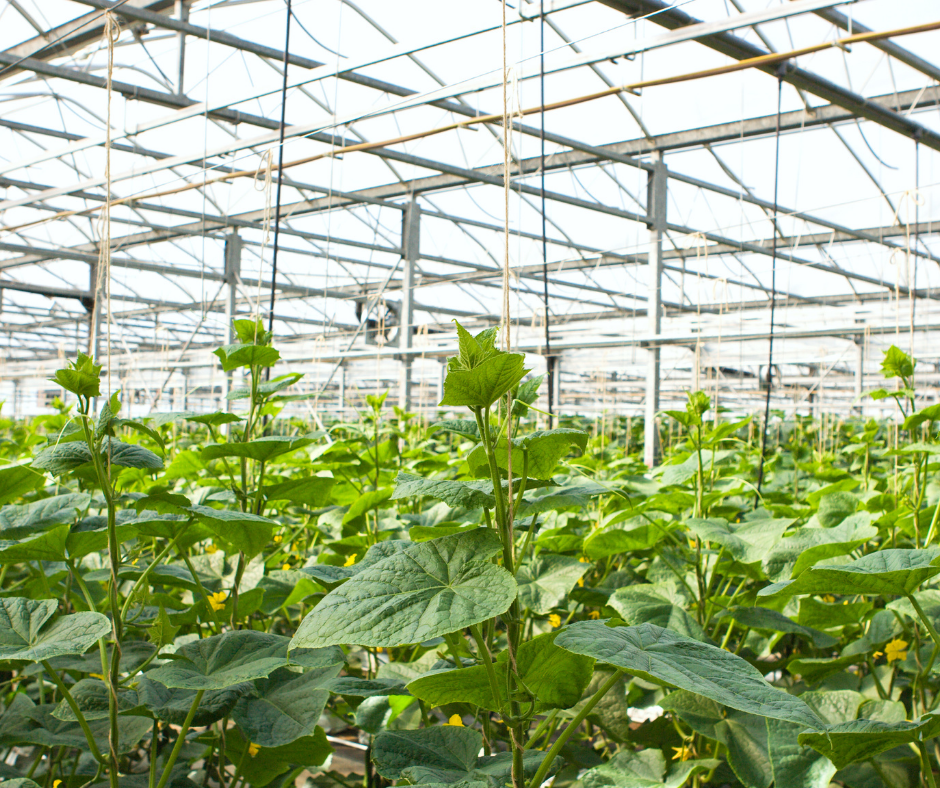
Growing celery is a simple process that can be done both outdoors and indoors. In this article, we will cover the best practices for growing celery in a greenhouse.
Introduction to Greenhouse Growing
Greenhouses offer a controlled environment for plants to grow, allowing you to optimize temperature, humidity, and light conditions. Celery is one of the many vegetables that thrive in greenhouses, making it an excellent choice for indoor gardening.
Benefits of Growing Celery in a Greenhouse
Growing celery in a greenhouse provides several benefits, including:
- Year-round production: With a controlled environment, you can grow celery at any time of the year, regardless of the outdoor weather conditions.
- Improved yields: Greenhouses provide optimal growing conditions for celery, resulting in higher yields and better quality stalks.
- Reduced pest and disease pressure: By controlling the environment, you can reduce the risk of pests and diseases that can damage your celery crop.
- Increased food safety: Greenhouses provide a clean and sterile environment for growing celery, reducing the risk of contamination.
Sowing Celery Seeds
Sowing celery seeds typically takes place in early spring. Plant one seed per container, and keep the soil moist until germination. Place the containers in a warm location with temperatures around 25°C (77°F). After two weeks, transplant the seedlings into larger pots or planters.
Maintaining Celery Plants in Summer
During the summer months, celery plants require regular watering and support. To promote healthy growth, apply a stake to each plant, wrapping it around the stem about halfway up. This will help prevent the plant from toppling over and encourage even growth. Regularly inspect the plants for pests, such as aphids and whiteflies, and treat accordingly.
Pruning Celery Plants
To maintain the health and appearance of celery plants, regular pruning is necessary. Remove any dead or damaged leaves, and trim back the stems to about 10-15 cm (4-6 inches) from the top. This will encourage the plant to produce new growth and prevent it from flowering.
Harvesting Celery
Celery is ready for harvest when the stalks reach their desired size. Typically, this occurs in mid-to-late summer. Cut the stalks just above the soil line using a sharp knife or pruning shears. Harvest every 2-3 days to encourage continuous production.
Common Pests and Diseases
In greenhouses, celery plants are susceptible to pests like the cabbage looper and the diamondback moth. Regularly inspect the plants for signs of infestation, such as holes in leaves or damage to the stalks. To prevent pest buildup, maintain a clean greenhouse environment by disposing of infected plants and using organic pest control methods.
Some common diseases that affect celery include powdery mildew and leaf spot. To prevent disease spread, ensure good air circulation within the greenhouse and treat any affected areas promptly with fungicides or bactericides.
Tips for Successful Celery Growing
- Maintain consistent temperature and humidity levels: Ensure that the temperature in your greenhouse is between 15°C (59°F) and 20°C (68°F), and maintain a relative humidity of 50-70%.
- Provide adequate light: Celery requires at least 12 hours of supplemental lighting per day, either from natural light or artificial sources.
- Monitor soil pH levels: Maintain a soil pH between 6.0 and 7.0 for optimal celery growth.
- Regularly inspect plants for signs of pests or disease: Regular inspections will help you catch any issues early on and prevent them from becoming major problems.
Conclusion
Growing celery in a greenhouse requires attention to detail and regular maintenance. By following these guidelines, you’ll be able to enjoy a bountiful harvest of crunchy, fresh celery all summer long.
Frequently Asked Questions
- Q: How often should I water my celery plants?
A: Celery requires consistent moisture levels throughout the growing season. Aim for about 2-3 inches of water per week, either through rainfall or irrigation. - Q: Can I grow celery outdoors in a container?
A: While it’s possible to grow celery outdoors in a container, greenhouses provide more control over temperature and humidity conditions, which can lead to better results. - Q: How do I prevent pests from infesting my celery plants?
A: Regularly inspect your plants for signs of pest infestation, and treat promptly with organic or integrated pest management methods. - Q: Can I grow celery in a cold climate?
A: Celery requires a relatively long growing season to mature. In colder climates, consider using row covers or other protection methods to extend the growing season. - Q: How do I store harvested celery?
A: Store harvested celery in a cool, dry place with minimal exposure to light and heat. This will help preserve its freshness for up to 2 weeks. - Q: Can I grow celery from seed?
A: Yes, you can grow celery from seed. However, it may take longer to produce harvestable stalks (typically around 60-90 days). - Q: How do I propagate new celery plants?
A: Celery is typically propagated through division or harvesting, followed by replanting the crown in a new container. - Q: Are there any hybrid varieties of celery that offer improved disease resistance?
A: Yes, some hybrid varieties like ‘Golden Corral’ and ‘Red Baron’ have demonstrated improved disease resistance compared to traditional open-pollinated varieties.
By following these guidelines and tips for growing celery in a greenhouse, you’ll be on your way to enjoying a fresh and delicious harvest all summer long.


