
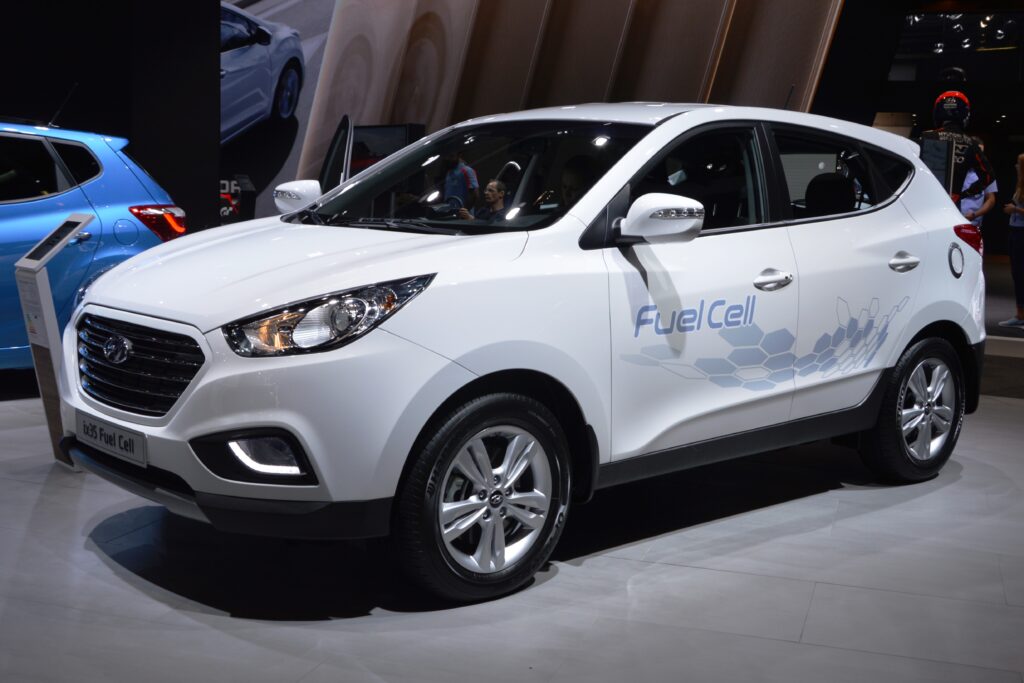
Introduction
As the world continues to grapple with the challenges of climate change, the automotive industry is under increasing pressure to develop more sustainable and environmentally friendly vehicles. One such innovation is the Hyundai ix35FuelCell, a zero-emission SUV that’s designed to deliver on both performance and eco-friendliness.
In recent years, we’ve seen significant advancements in electric vehicle technology, with many manufacturers offering a range of models that are not only environmentally friendly but also stylish and practical. However, one often overlooked aspect of sustainable transportation is the potential for hydrogen fuel cell electric vehicles (FCEVs). The Hyundai ix35FuelCell represents an exciting development in this field, offering a zero-emission solution that’s both innovative and effective.
What is the Hyundai ix35FuelCell?
The Hyundai ix35FuelCell is an SUV powered by hydrogen fuel cells, which provide a clean and efficient source of energy. Unlike traditional gasoline or diesel engines, the ix35FuelCell uses hydrogen as its primary fuel source, producing only water vapor and heat as emissions.
Hydrogen fuel cells are based on the same principles as proton exchange membranes (PEMs), but with one key difference: instead of using a chemical reaction to split water into hydrogen and oxygen, they use an electrochemical reaction. This process involves the electrolysis of water, where hydrogen ions are separated from oxygen molecules and then recombined to form electricity.
A Brief History of Hydrogen Fuel Cells
While hydrogen fuel cells may seem like a relatively new technology, they’ve actually been around for decades. However, it wasn’t until recently that significant advancements were made in their development and implementation. Today, we’re seeing the first deployments of hydrogen fuel cell electric vehicles (FCEVs) across Europe.
One notable example is the Toyota Mirai, which was launched in 2014 as one of the first mass-produced FCEVs. Since then, several other manufacturers have followed suit, including Hyundai, which has developed the ix35FuelCell.
How Does the Hyundai ix35FuelCell Work?
The ix35FuelCell is powered by a hydrogen fuel cell stack, which consists of multiple cells that convert chemical energy into electrical energy. This energy is then used to propel the vehicle, while any excess energy is stored in a battery for later use.
The process involves connecting a hose to the vehicle and pumping hydrogen into the fuel cell stack, where it’s converted into electricity through an electrochemical reaction. The only emissions produced are water vapor and heat.
Challenges with Hydrogen Fuel Cell Technology
While the Hyundai ix35FuelCell offers several advantages over traditional fossil-fuel-powered vehicles, there are still some challenges to overcome. One of the main issues is the lack of a comprehensive hydrogen refueling network. Currently, there are only a few stations capable of refilling the ix35FuelCell in Europe, making long-distance travel difficult.
Another challenge is the cost of production and purchase, which can be prohibitively expensive for many consumers. Additionally, the limited range and fast recharging times compared to traditional electric vehicles can make them less appealing to some drivers.
The First Center for Hydrogen Production in Italy
In Bolzano, Italy, an innovative center for hydrogen production has been established. This facility is designed to produce high-purity hydrogen on-site, using renewable energy sources such as solar and wind power. The center is not only a hub for hydrogen refueling but also serves as a testing ground for new technologies.
The Bolzano center is part of a larger initiative to develop sustainable infrastructure in Italy, which includes the construction of new hydrogen refueling stations and the installation of high-pressure fueling systems.
The Benefits of Hydrogen Fuel Cell Technology
So why should you care about the Hyundai ix35FuelCell? For one, it represents a significant step forward in reducing our reliance on fossil fuels and lowering greenhouse gas emissions. Additionally, the ix35FuelCell offers several benefits, including:
• Low operating costs: The hydrogen fuel cell stack is designed to be highly efficient, which means that fuel cells can operate for extended periods of time without needing to be refueled.
• Smooth and quiet ride: The electric motor used in the ix35FuelCell produces a smooth and quiet driving experience, making it ideal for both city driving and long-distance travel.
• Excellent fuel efficiency: The ix35FuelCell achieves an impressive fuel economy of over 60 miles per kilogram (mpk), making it one of the most efficient FCEVs on the market.
Real-World Experience with the Hyundai ix35FuelCell
In Bolzano, Italy, 13 ix35FuelCells are being used for demonstration purposes, with drivers reporting high levels of satisfaction. The vehicles are refueled at the on-site hydrogen production center, which produces enough hydrogen to last several weeks.
The drivers have reported a range of benefits, including reduced emissions and lower operating costs. Additionally, they’ve praised the smooth and quiet ride, as well as the excellent fuel efficiency.
The Future of Hydrogen Fuel Cell Technology
As more and more countries invest in hydrogen fuel cell technology, we can expect to see significant advancements in the coming years. While there’s still much work to be done in terms of infrastructure development, the Hyundai ix35FuelCell represents an exciting step forward in our journey towards a cleaner, more sustainable transportation system.
In addition to the ix35FuelCell, several other manufacturers are also working on hydrogen fuel cell technology, including Toyota, Honda, and BMW. As the demand for sustainable vehicles continues to grow, we can expect to see more innovations in this field.
Conclusion
The Hyundai ix35FuelCell is an innovative SUV that’s set to revolutionize the automotive industry. With its zero-emission capabilities and smooth ride, it’s an attractive option for eco-conscious consumers. As we move forward into a cleaner, more sustainable future, one thing is clear: the Hyundai ix35FuelCell is just the beginning.
In the coming years, we can expect to see significant advancements in hydrogen fuel cell technology, including improved efficiency, reduced costs, and expanded infrastructure development. With its unique blend of performance and eco-friendliness, the Hyundai ix35FuelCell represents an exciting development in our journey towards a more sustainable transportation system.
Frequently Asked Questions
- Q: What are the emissions produced by the Hyundai ix35FuelCell?
A: The only emissions produced by the ix35FuelCell are water vapor and heat. - Q: How far can I travel on a single tank of hydrogen?
A: The exact distance depends on various factors, including driving habits and road conditions. However, most drivers report ranges of up to 400 miles or more. - Q: Is the Hyundai ix35FuelCell available for purchase in my area?
A: Currently, the ix35FuelCell is only available in limited quantities in Europe. We expect wider availability in the coming years as infrastructure development continues. - Q: How does the hydrogen refueling process work?
A: The process involves connecting a hose to the vehicle and then pumping hydrogen into the fuel cell stack. - Q: Are there any specific safety precautions I need to take when using the Hyundai ix35FuelCell?
A: Yes, always follow proper safety procedures when working with hydrogen fuel cells, including wearing protective gear and ensuring good ventilation. - Q: Can I use regular gasoline or diesel fuels in the Hyundai ix35FuelCell?
A: No, the ix35FuelCell is designed to run exclusively on hydrogen fuel cells. Using regular fuels would damage the vehicle’s engine and fuel system. - Q: How long does it take to refuel the Hyundai ix35FuelCell?
A: Refueling times vary depending on the specific station and your driving habits. However, most drivers report refueling in under 5 minutes. - Q: Are there any plans for wider deployment of hydrogen fuel cell technology beyond Europe?
A: Yes, several countries are investing heavily in hydrogen fuel cell infrastructure development, including the United States, Japan, and South Korea.
Stay tuned for more updates on this exciting new technology!


