
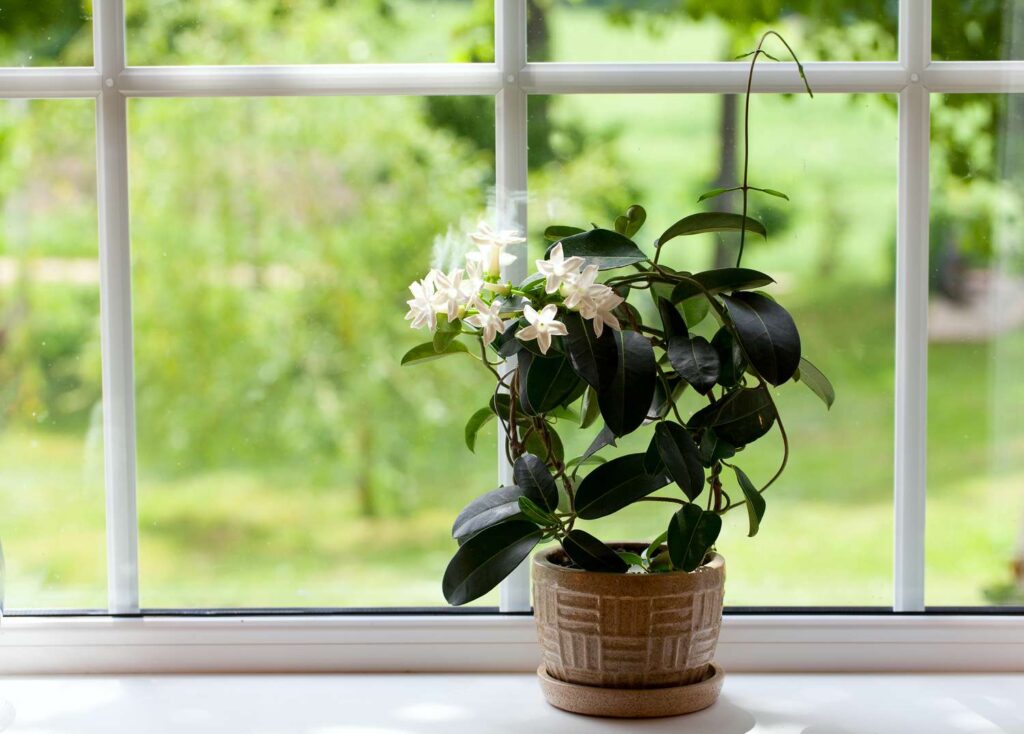
Introduction to Aromatic Plants
Aromatic plants are a wonderful addition to any home, providing fresh herbs for cooking and a calming ambiance. In this article, we will explore the basics of growing aromatic plants in pots, including the best plants to choose, how to care for them, and some common mistakes to avoid.
Choosing the Right Aromatic Plants
When it comes to choosing aromatic plants, there are many options to consider. Some popular varieties include:
- Rosemary
- Basil
- Oregano
- Thyme
- Mint
Each of these plants has its own unique needs and requirements, so be sure to research their specific care instructions before bringing them home.
Benefits of Growing Aromatic Plants
Growing aromatic plants at home offers numerous benefits, including:
- Fresh herbs for cooking: Many aromatic plants are perfect for adding flavor to your favorite dishes.
- Air purification: Some aromatic plants have natural air-purifying properties that can help improve indoor air quality.
- Stress relief: The aroma of certain plants, such as lavender and chamomile, has been shown to promote relaxation and reduce stress.
- Aesthetic appeal: Aromatic plants come in a variety of shapes, sizes, and colors, making them a beautiful addition to any home.
Providing the Right Environment
Aromatic plants thrive in bright, sunny locations. In the summer months, it’s essential to provide your plants with at least 4 hours of direct sunlight per day. If you don’t have a south-facing window, consider placing your pots on a balcony or patio that receives partial shade.
Using the Right Potting Mix
To keep your aromatic plants healthy and thriving, use a well-draining potting mix specifically designed for indoor plants. Avoid using regular garden soil, as it can compact and prevent proper drainage.
Watering and Fertilizing
Aromatic plants require consistent moisture, but overwatering can be detrimental. Check the soil daily, and water only when necessary. As a general rule of thumb, water your plants when the top inch of soil feels dry to the touch.
In addition to watering, aromatic plants benefit from regular fertilization. Use a balanced fertilizer (10-10-10) once a month, and follow the instructions carefully.
Pruning and Repotting
Regular pruning helps maintain the shape and promote healthy growth of your aromatic plants. Pinch off flower buds to encourage leaf production, and trim back leggy stems to keep your plant looking its best.
Repot your plants every 1-2 years, using a slightly larger pot and fresh potting mix. This will give your roots room to grow and prevent root bound.
Common Mistakes to Avoid
When growing aromatic plants at home, there are several common mistakes to watch out for:
- Overwatering: Too much water can cause root rot and other problems.
- Underfertilizing: Failing to fertilize regularly can lead to nutrient deficiencies.
- Insufficient pruning: Neglecting to prune your plants can result in leggy stems and reduced growth.
- Repotting too frequently: Transplanting your plants too often can cause stress and lead to disease.
By avoiding these common mistakes, you can ensure your aromatic plants thrive and provide you with fresh herbs all year round.
Tips for Specific Aromatic Plants
Some aromatic plants have specific needs that require extra attention. Here are a few tips to keep in mind:
- Basil: Pinch off flower buds to encourage leaf production, and trim back leggy stems.
- Oregano: Prune regularly to maintain shape and promote healthy growth.
- Mint: Provide plenty of water and humidity to prevent root rot.
- Rosemary: Prune regularly to maintain shape and promote healthy growth.
- Thyme: Pinch off flower buds to encourage leaf production, and trim back leggy stems.
Propagation Techniques
Propagating aromatic plants can be a fun and rewarding experience. Here are a few techniques to try:
- Leaf propagation: Take cuttings from the leaves of your plant and root them in water or soil.
- Stem cutting propagation: Cut off a section of stem and remove lower leaves, then root it in water or soil.
- Division: Separate the roots of your plant by dividing the pot into smaller sections.
Common Pests and Diseases
Aromatic plants can be susceptible to pests and diseases. Here are some common issues to watch out for:
- Aphids: Small, soft-bodied insects that feed on sap.
- Spider mites: Tiny, spider-like insects that feed on sap.
- Root rot: A fungal disease that causes roots to decay.
- Leaf spot: A fungal disease that causes small, circular spots on leaves.
Integrated Pest Management
To manage pests and diseases effectively, use an integrated pest management (IPM) approach. This involves:
- Monitoring for pests and diseases regularly
- Using natural pest control methods whenever possible
- Applying chemical pesticides as a last resort
Conclusion
Growing aromatic plants at home is a rewarding experience that provides fresh herbs for cooking and a calming ambiance. By following these simple tips and avoiding common mistakes, you can enjoy the benefits of having your own indoor garden.
Frequently Asked Questions
- Q: What is the best way to care for my rosemary plant?
A: Rosemary prefers well-draining soil, full sun, and moderate watering. Pinch off flower buds to encourage leaf production. - Q: Can I grow basil indoors year-round?
A: Basil can be grown indoors year-round, but it requires consistent moisture and humidity. Provide plenty of water and a humid environment to keep your plant healthy. - Q: How often should I fertilize my oregano plant?
A: Oregano benefits from regular fertilization. Use a balanced fertilizer (10-10-10) once a month, and follow the instructions carefully. - Q: Can I grow mint indoors?
A: Yes, mint can be grown indoors! Provide plenty of water and humidity to prevent root rot. - Q: How often should I repot my aromatic plants?
A: Repot your plants every 1-2 years, using a slightly larger pot and fresh potting mix. - Q: What is the best way to prune my thyme plant?
A: Thyme requires regular pruning to maintain shape and promote healthy growth. Pinch off flower buds to encourage leaf production. - Q: Can I grow lemongrass indoors?
A: Lemongrass can be grown indoors, but it requires high humidity and temperatures above 60°F (15°C). - Q: How do I prevent pests from harming my aromatic plants?
A: Regularly inspect your plants for signs of pests, such as aphids or spider mites. Use natural pest control methods whenever possible.
By following these tips and avoiding common mistakes, you can enjoy the benefits of having your own indoor garden and growing delicious aromatic herbs all year round!


