
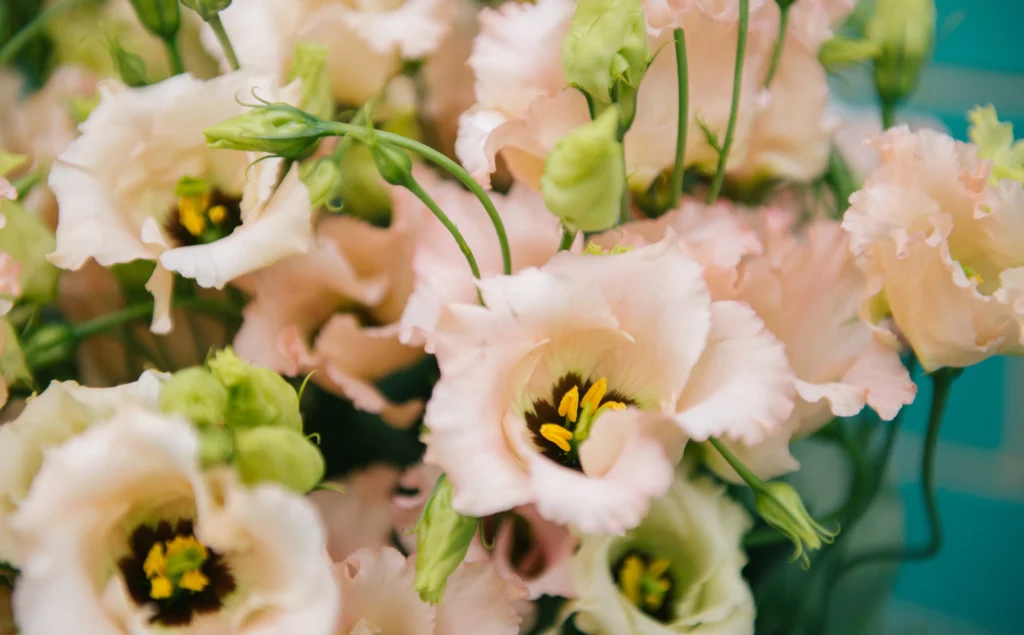
Lisianthus, a name that evokes elegance and refinement, has become a popular choice for gardeners and flower enthusiasts alike. With its delicate petals and various colors, it’s no wonder why this flower has captured the hearts of many. In this article, we’ll delve into the history, characteristics, and cultivation of Lisianthus, exploring what makes it so special and how to bring it to life in your own garden or arrangements.
Origins of Lisianthus
Believe it or not, the discovery of Lisianthus dates back to the 19th century. This flower was first introduced to Europe in the early 1900s, originating from the warm climates of the United States, Mexico, the Caribbean, and South America. France is by far the country that uses this flower the most, followed closely by Italy. With its European roots, Lisianthus has become a staple for French florists and gardeners.
Characteristics and Types
Lisianthus is often referred to as Eustoma, an herbaceous annual belonging to the Gentianaceae family. While some varieties are perennial, many thrive in vases or containers outdoors or indoors. This flower comes in various shapes and sizes, with delicate, sinuous petals resembling roses. Despite its beauty, Lisianthus lacks a strong fragrance, but that doesn’t diminish its charm.
One of the most distinctive features of Lisianthus is its unique growth habit. Unlike other flowers, Lisianthus produces multiple stems on a single plant, allowing for an abundance of blooms in various stages of development. This characteristic makes it easier to harvest individual stems and create arrangements with varying textures and colors.
Colors of Lisianthus
Lisianthus is the perfect choice for any occasion due to its beautiful colors and versatility. Each hue carries a unique meaning: white signifies purity, blue is often used to apologize or seek forgiveness, pink/peach tones are ideal for expressing love, while yellow represents jealousy. Beyond these meanings, the etymology of its name holds a deeper significance. “Eu” means good, lovely, and “stoma” translates to mouth or opening, symbolizing an openness or readiness in relationships.
In addition to its symbolic meaning, Lisianthus comes in an array of colors that are sure to captivate any audience. From soft pastels to bold hues, this flower offers endless possibilities for creativity and self-expression. Some popular colors include:
- White: Representing purity and innocence
- Blue: Signifying apology or forgiveness
- Pink/peach: Exuding love and affection
- Yellow: Symbolizing jealousy or caution
Cultivation: Tips and Tricks
Growing Lisianthus requires attention and care due to its sensitivity to climate conditions and delicate nature. For optimal growth outside, temperatures should not drop below 5°C. Ideal climates for growing Lisianthus include regions like Italy’s south, Spain, and Greece that boast Mediterranean climates.
When cultivating indoors during the cold season, ensure sufficient light exposure without direct sunlight as it can cause damage to petals.
Watering: The Art of Not Overwatering
Maintaining proper moisture levels is crucial when caring for Lisianthus. Inspect the soil regularly to avoid overwatering, which can lead to root rot and other issues. Water the plant frequently but avoid splashing or hitting delicate flowers with water, as this could cause harm.
To ensure optimal watering, consider the following tips:
- Check the soil moisture by inserting your finger into the soil up to the first knuckle.
- Water only when the top inch of soil feels dry.
- Avoid getting water on the leaves or petals to prevent fungal diseases.
Common Problems: Diseases and Pests
Lisianthus, like many plants, is susceptible to diseases and pests. Observe your plant’s color for signs of problems – yellowing leaves may indicate fungal infections such as Oidiopsis, while powdery mildew presents itself with a white coating on the leaves.
Be aware of aphid attacks, which manifest as pale spots or scattered eggs on the leaves. Regularly inspect your plants for any signs of infestation and treat promptly to prevent the spread.
Pest Control Methods
To manage pests effectively, consider the following methods:
- Inspect plants regularly for signs of infestation.
- Use neem oil or insecticidal soap to control aphids and other insects.
- Increase air circulation around the plant to reduce moisture and humidity.
- Use physical barriers like fine mesh or row covers to prevent pest entry.
Disease Prevention Methods
To prevent diseases, follow these guidelines:
- Provide adequate light, air, and water for optimal growth.
- Maintain a consistent temperature between 65°F and 75°F (18°C and 24°C).
- Fertilize regularly with a balanced fertilizer.
- Inspect plants regularly for signs of disease.
Propagation Methods
Lisianthus can be propagated through seeds or cuttings. Seeds yield more uniform results while cuttings may produce plants with desirable traits, such as color or height. To increase success rates, consider the following methods:
- Sow seeds directly into the ground in well-draining soil.
- Use a propagation tray to start seedlings indoors.
- Take 4-6 inch stem cuttings from mature plants and root them in water or soil.
Harvesting
Lisianthus is best harvested when individual stems are fully developed. To ensure optimal blooms, harvest stems at the base of the plant, leaving a few inches for regrowth. Regular harvesting will encourage new growth and prolong blooming periods.
Tips for Creating Beautiful Arrangements
To create stunning arrangements with Lisianthus, consider the following tips:
- Combine flowers in varying shapes and sizes to add texture and depth.
- Use greenery like eucalyptus or ferns to complement the flower’s delicate petals.
- Add decorative elements like ribbons or flowers in complementary colors to enhance visual appeal.
Conclusion
Lisianthus is a flower that has captured the hearts of many due to its elegance and delicate beauty. By understanding its origins, characteristics, and cultivation needs, gardeners can successfully bring this stunning bloom into their own spaces. Whether used in bouquets, arrangements, or as a standalone centerpiece, Lisianthus offers endless possibilities for expressing love, gratitude, and refinement.
Frequently Asked Questions
- What is the best time to plant Lisianthus?
-
The ideal season for planting Lisianthus depends on your climate. In warmer climates, spring and early summer are perfect for sowing seeds directly into the ground. In cooler regions, it’s recommended to start seedlings indoors 6-8 weeks before the last frost date.
-
How often should I water Lisianthus?
-
Watering frequency depends on your location and weather conditions. As a general rule, check the soil moisture daily by inserting your finger into the soil up to the first knuckle. If it feels dry, it’s time to water.
-
Can Lisianthus grow indoors without sunlight?
-
Yes, Lisianthus can thrive in low-light environments. To ensure success, position plants near a south-facing window or use grow lights for 12-14 hours daily.
-
How do I keep my Lisianthus free of pests and diseases?
-
Regularly inspect your plant for signs of infestation or disease. Treat any issues promptly to prevent the spread. Practice good hygiene, including cleaning tools between plants.
-
What is the most common color of Lisianthus used in arrangements?
-
White is a popular choice due to its purity and versatility. However, other colors like pink, peach, and blue are gaining popularity for their unique meanings and aesthetic appeal.
-
Can I propagate Lisianthus from seeds or cuttings?
-
Both methods can be successful but often result in variable outcomes. Seeds yield more uniform results while cuttings may produce plants with desirable traits, such as color or height.
-
How long does it take for Lisianthus to bloom after planting?
-
The blooming period varies greatly depending on factors like climate, plant health, and soil quality. In ideal conditions, Lisianthus can start producing flowers within 60-90 days after planting seeds or transplanting established plants.
-
Can I grow Lisianthus in cold climates?
- While it’s possible to grow Lisianthus in colder climates with protection like greenhouses or indoor containers, the result may be less robust than in warmer environments.


