
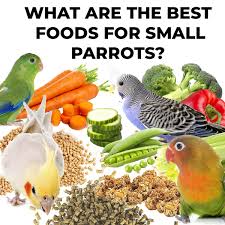
As a parrot owner, you want to ensure that your feathered friend is receiving the best possible nutrition. However, with so many options available in the market, it can be overwhelming to choose the right diet for your pet. In this article, we will explore the importance of selecting the right food for your parrot and provide guidance on creating a balanced diet.
Understanding Your Parrot’s Nutritional Needs
Just like humans, parrots have unique nutritional requirements that need to be met. A diet deficient in essential nutrients can lead to health problems, such as malnutrition, obesity, and even organ failure. In order to ensure your parrot is getting the right amount of nutrients, it is crucial to understand their individual needs.
Parrots are omnivores, which means they require a balanced mix of protein, fat, carbohydrates, vitamins, and minerals in their diet. The specific nutritional requirements for different species of parrots can vary significantly, so it’s essential to research the dietary needs of your particular bird.
Types of Parrot Diets
There are several types of diets available for parrots, including:
- Seed-based diets: These diets are high in carbohydrates and low in protein.
- Pellet diets: These diets are formulated to provide a balanced mix of nutrients and can be a convenient option for many parrot owners.
- Pellets extruded: These diets are made from a mixture of grains and seeds that have been cooked and then extruded into small pieces.
Choosing the Right Diet for Your Parrot
When selecting a diet for your parrot, consider the following factors:
- Age: Different age groups require different nutritional profiles.
- Species: Each species has unique dietary needs.
- Health status: Parrots with certain health conditions may require specific diets.
- Personal preferences: Some owners prefer to supplement their parrot’s diet with fruits, vegetables, and other treats.
Creating a Balanced Diet
A balanced diet for your parrot should include a variety of foods from different food groups. Here are some essential nutrients to include in your parrot’s diet:
- Protein: Essential for muscle growth and repair.
- Fats: Provide energy and help maintain a healthy coat.
- Carbohydrates: Serve as a source of energy.
- Vitamins and minerals: Crucial for maintaining overall health.
Tips for Feeding Your Parrot
Here are some tips to keep in mind when feeding your parrot:
- Variety is key: Offer a diverse range of foods to ensure your parrot is getting all the necessary nutrients.
- Freshness matters: Make sure fresh water and food are available at all times.
- Treats in moderation: While treats can be fun, they should not make up more than 10% of your parrot’s diet.
Common Dietary Mistakes
Avoid making the following common dietary mistakes:
- Overfeeding: Parrots have small stomachs and can easily become overweight.
- Underfeeding: Ensure your parrot is receiving enough nutrients to maintain optimal health.
- Inadequate hydration: Make sure fresh water is always available.
Conclusion
Providing a balanced diet for your parrot is crucial for their overall health and well-being. By understanding your parrot’s nutritional needs, choosing the right diet, and following these tips, you can help ensure your feathered friend lives a long and happy life.
Frequently Asked Questions (FAQs)
- Q: What is the best food for my parrot?
A: The best food for your parrot depends on their age, species, health status, and personal preferences. - Q: Can I give my parrot table scraps?
A: No, table scraps can be unhealthy for parrots and may lead to digestive problems or other health issues. - Q: How often should I feed my parrot?
A: The frequency of feeding depends on the age and species of your parrot. - Q: Can I give my parrot fruits and vegetables?
A: Yes, fruits and vegetables can be a healthy addition to your parrot’s diet, but in moderation. - Q: What is the most common dietary mistake parrot owners make?
A: Overfeeding is a common mistake that can lead to obesity and other health problems. - Q: Can I give my parrot treats?
A: Treats can be fun, but they should not make up more than 10% of your parrot’s diet. - Q: How often should I change my parrot’s food?
A: The frequency of changing food depends on the age and species of your parrot. - Q: Can I give my parrot supplements?
A: Consult with a veterinarian before giving your parrot any supplements.
Additional Tips for Feeding Your Parrot
- Use a parrot-specific food: Avoid using human food or other non-parrot specific foods as they may not provide the necessary nutrients.
- Limit treats and snacks: While treats can be fun, they should not make up more than 10% of your parrot’s diet.
- Provide fresh water daily: Make sure to clean the water dish regularly to prevent bacterial growth.
- Consider a calcium supplement: Many parrots require additional calcium in their diet to maintain strong bones and teeth.
- Consult with a veterinarian: If you have any concerns about your parrot’s diet or health, consult with a veterinarian for professional advice.
Conclusion
Providing a balanced diet for your parrot is crucial for their overall health and well-being. By understanding your parrot’s nutritional needs, choosing the right diet, and following these tips, you can help ensure your feathered friend lives a long and happy life.


