
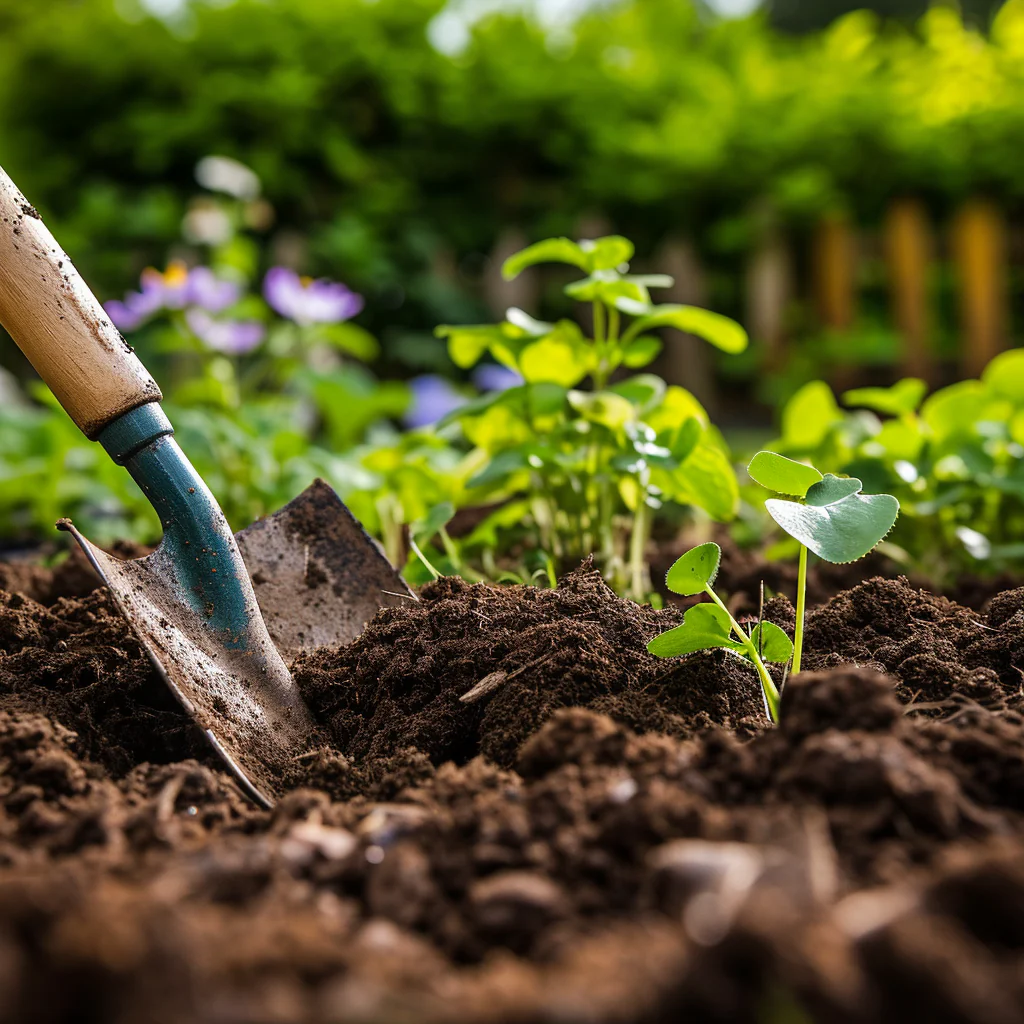
Understanding soil is a crucial step in achieving success in gardening. It’s not just about choosing the right plants or providing adequate care; it’s also about comprehending the underlying structure and characteristics of the soil on which your plants will grow.
In this article, we’ll explore the various types of soil, from clay-rich to sandy soils, to understand how each can impact plant health and growth. We’ll also delve into the specific requirements of different plants and discuss ways to care for and maintain the soil effectively.
Understanding Soil Structure
Soil is a vital element in gardening, and understanding its differences is key to creating a thriving garden. Each type of soil has unique characteristics that affect how it nourishes and sustains plants. Choosing the right soil type is essential to ensure optimal plant growth and health.
Here are the main types of soils:
- Clay Soil: Known for its compact structure, clay soil retains a lot of moisture and is rich in nutrients. It’s ideal for plants that need consistent watering, such as flowers and vegetables. However, clay soil can be dense and impede drainage, making it unsuitable for some plants.
- Sandy Soil: Lightweight and granular, sandy soil allows for good drainage but may be poor in nutrients and prone to drying out quickly. It’s perfect for plants that prefer well-draining conditions, such as grasses and shrubs.
- Limo (Loam) Soil: A mix of clay and sand particles, limo soil offers a balance between the two, making it suitable for most plants. Limo soil retains moisture and nutrients while allowing for good drainage.
- Peat Moss: A acidic, lightweight soil ideal for acid-loving plants like azaleas, rhododendrons, and camellias.
- Composted Soil (Soil Ricco): A blend of clay, sand, and limo, enriched with compost or organic matter. This versatile soil is perfect for a wide range of plants as it retains moisture and nutrients but allows for good drainage.
Each type of soil has its unique characteristics, and selecting the right one can significantly impact plant growth and health. Understanding these differences is key to creating an ideal environment for your plants to thrive.
Specific Requirements of Different Plants
Different plants have specific requirements when it comes to soil type, pH levels, and nutrient content. Here are some examples:
- Grasses: Prefer well-draining sandy soils.
- Vegetables: Typically prefer clay-rich soils with good moisture retention.
- Flowers: May thrive in limo or peat moss soils with acidic pH levels.
Understanding these specific requirements can help you create an optimal growing environment for your plants, leading to healthier and more robust growth.
Caring and Maintaining Soil
Proper soil care is essential for maintaining healthy plant growth. Here are some techniques to improve soil quality:
- Aeration: Allowing air and water to penetrate the soil can improve root growth and overall health.
- Composting: Adding compost or organic matter can enrich the soil with nutrients, improving its structure and fertility.
- Crop Rotation: Changing crop varieties to avoid depleting nutrients in the soil and reducing pest and disease pressure.
By incorporating these techniques into your gardening routine, you’ll be able to maintain a healthy and productive garden over time.
Soil pH and Its Impact on Plant Growth
Soil pH plays a crucial role in determining the availability of essential nutrients for plant growth. Most plants require a slightly acidic to neutral soil pH (pH 6-7) to thrive, but some can tolerate more extreme conditions.
Here are some common soil pH levels and their effects on plant growth:
- Acidic Soils (pH 5.5-6.5): Suitable for acid-loving plants like azaleas, rhododendrons, and camellias.
- Neutral Soils (pH 6.5-7.5): Ideal for most vegetables, fruits, and flowers.
- Alkaline Soils (pH 7.5-8.5): May be suitable for some plants like succulents and cacti, but can be detrimental to others.
By understanding the impact of soil pH on plant growth, you can adjust your garden’s conditions to create an optimal environment for your specific needs.
Common Mistakes in Soil Care
As a gardener, it’s easy to make mistakes when caring for your soil. Here are some common pitfalls to watch out for:
- Over-tilling: Excessive tilling can damage soil structure and reduce its fertility.
- Under-aeration: Failing to aerate the soil can lead to poor root growth and reduced plant health.
- Insufficient Composting: Not adding enough compost or organic matter can result in nutrient-deficient soils.
By being aware of these common mistakes, you can take steps to avoid them and create a thriving garden that brings joy and satisfaction.
Soil Testing: A Key to Understanding Your Soil’s Health
Soil testing is an essential tool for understanding your soil’s health and making informed decisions about its care. Here are some reasons why soil testing is crucial:
- Identifying Nutrient Deficiencies: Soil testing can help you determine if your soil lacks specific nutrients, allowing you to address this issue through fertilization or other means.
- Detecting pH Imbalances: Soil testing can reveal whether your soil’s pH level is too high or too low, enabling you to adjust its conditions for optimal plant growth.
- Monitoring Soil Structure: Soil testing can assess the structure and fertility of your soil, helping you identify potential problems and take corrective action.
By incorporating soil testing into your gardening routine, you’ll be better equipped to create an ideal environment for your plants to thrive.
Conclusion
Soil is a vital component of any successful garden. Understanding its different types, characteristics, and requirements can help you create an optimal growing environment for your plants. By selecting the right soil type, caring for it properly, and maintaining its health through techniques like aeration, composting, and crop rotation, you’ll be well on your way to creating a thriving garden that brings joy and satisfaction.
Frequently Asked Questions (FAQs)
- What is the most suitable soil type for my vegetables?
- How often should I aerate my soil to improve its health?
- Can composting be done in all types of soils?
- How can crop rotation help maintain soil fertility and reduce pest pressure?
- What are some common mistakes gardeners make when caring for their soil, and how can they avoid them?
- Can I use any type of fertilizer on my plants, or should I opt for organic alternatives instead?
- How does pH level affect plant growth and health in different soils?
- Can I mix different types of soils to create a custom blend tailored to my specific needs?


