
Growing an avocado tree is a relatively easy process, but it requires some knowledge and attention to detail. In this article, we will walk you through the steps of growing an avocado tree from seed, pruning, and transplanting.
Getting Started with Avocado Seeds
Obtaining a healthy avocado seed is the first step in starting your journey. Gently split open an avocado and extract the large seed. Cut it in half lengthwise and soak one half in water for 1-2 weeks. The other half should be placed above the waterline, exposing the tiny white root that will grow into a new tree.
To help guide the seed’s development, you can create a miniature greenhouse using a small glass or plastic container. Fill the bottom third with water and place the seed in it, making sure the base of the seed is fully submerged.
Planting Avocado Seeds
After 1-2 weeks, you should see the first signs of germination. The seed will start to sprout, and a small white root will emerge from the soil. Once this happens, you can transfer the seedling to a pot filled with well-draining soil. Water thoroughly and provide bright, indirect light.
When planting your avocado seedling, make sure the soil is moist but not waterlogged. Avocado trees prefer a slightly acidic to neutral soil pH between 6.0 and 7.0. You can also mix in some compost or organic fertilizer to promote healthy growth.
Pruning Your Avocado Tree
As your avocado tree grows, it’s essential to prune it regularly to promote healthy growth and encourage fruiting. Prune your tree when it reaches 15-20 inches tall by removing the top 5-7 inches of foliage. This will help stimulate new growth and encourage branching.
Pruning is also crucial for maintaining the overall shape and size of your avocado tree. Remove any weak or damaged branches to prevent disease and promote healthy growth. Prune your tree during the dormant season (winter) to minimize stress on the plant.
Transplanting Your Avocado Tree
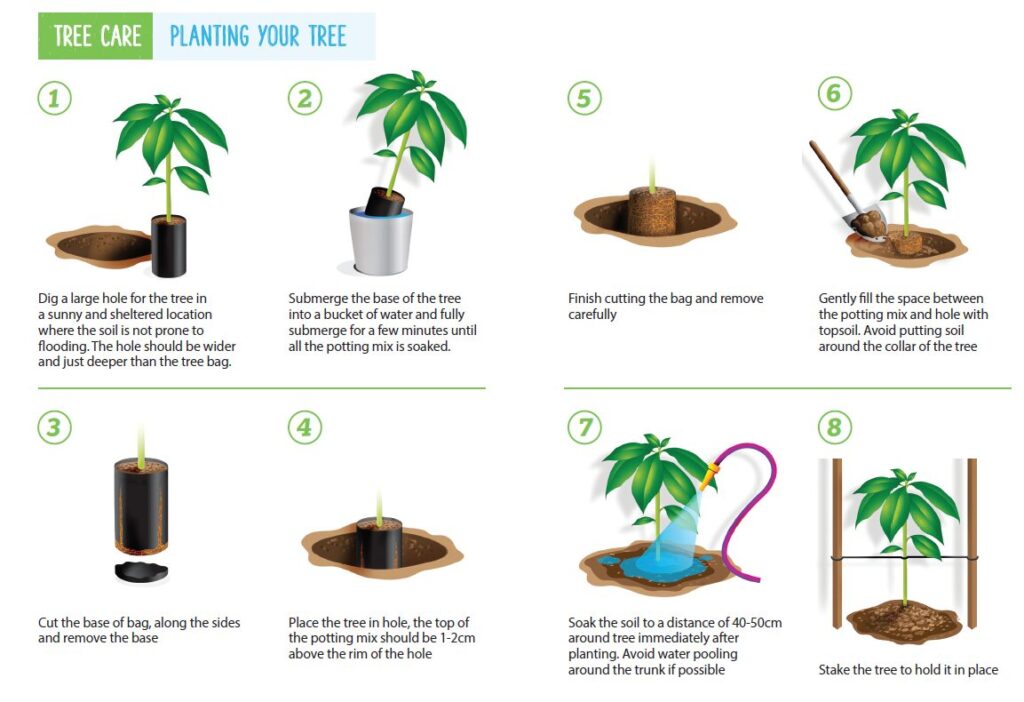
Once your tree has reached a height of 6-8 feet, you can transplant it into a larger pot or directly into the ground. Make sure to choose a location with full sun and well-draining soil.
When transplanting your avocado tree, handle the roots carefully to avoid damaging them. Dig a hole that is twice as wide and just as deep as the root ball of the tree. Add some organic fertilizer to the soil to promote healthy growth.
Tips for Growing Avocados
Here are some additional tips to keep in mind when growing avocados:
- Avocado trees require plenty of light to thrive, so choose a spot that gets direct sunlight for at least 6 hours a day.
- Avocado trees prefer well-draining soil, so make sure your pot has drainage holes or plant it in a raised bed with good drainage.
- Regular pruning will help promote healthy growth and encourage fruiting.
- Avocado trees can grow quite large, so be prepared to prune them regularly to maintain their size.
Common Problems with Avocado Trees
One of the most common problems you’ll encounter when growing an avocado tree is root rot. This occurs when the roots are exposed to too much moisture, causing the tree to become waterlogged and develop fungal infections.
To prevent root rot, make sure your pot has good drainage holes and avoid overwatering. Also, keep an eye out for signs of pests or diseases, such as pests in the soil, yellowing leaves, or black spots on the fruit.
Another common problem is nutrient deficiency. Avocado trees require a balanced diet to grow healthy and produce fruit. Use a balanced fertilizer once a month during the growing season (spring-fall) to provide your tree with essential nutrients.
Pest Control
Avocado trees can be susceptible to pests like mealybugs, spider mites, and aphids. To prevent infestations, keep an eye out for signs of pests, such as white powdery residue on the leaves or tiny eggs on the stems.
If you do encounter a pest infestation, treat your tree with insecticidal soap or neem oil according to the manufacturer’s instructions. Also, isolate your tree from other plants and keep it away from pets and children.
Disease Prevention
Avocado trees can be susceptible to diseases like powdery mildew, root rot, and anthracnose. To prevent disease, make sure your tree has good air circulation and avoid overwatering.
Also, use a fungicide according to the manufacturer’s instructions if you do encounter a fungal infection. Treat your tree with organic or chemical-based treatments to control the spread of the disease.
Propagation Methods
Avocado trees can be propagated using stem cuttings, layering, or grafting. Take a healthy stem cutting and remove lower leaves, then plant it in well-draining soil. Keep the soil consistently moist until roots develop.
Another method is layering, where you bend a branch of your avocado tree down to the ground and secure it with a rock or U-shaped wire. Cover the area with soil and keep it moist until roots develop.
Conclusion
Growing an avocado tree from seed can be a fun and rewarding experience. By following these steps and providing the right conditions, you should be able to successfully cultivate your own avocado tree.
Here are some frequently asked questions about growing avocados:
-
Q: Can I grow avocados indoors?
A: While it’s possible to grow avocados indoors, they require plenty of light and well-draining soil. If you don’t have a sunny windowsill or grow lights, consider starting an avocado seedling outdoors. -
Q: How long does it take for an avocado tree to produce fruit?
A: Avocado trees typically take 3-5 years to produce fruit after planting, but this can vary depending on factors like climate, soil quality, and pruning practices. -
Q: Can I grow multiple avocado trees in the same pot?
A: While it’s technically possible to grow multiple avocado trees in the same pot, they will compete for nutrients and water. It’s best to start with a single tree and transplant it later into a larger pot or directly into the ground. -
Q: How often should I water my avocado tree?
A: Avocado trees prefer well-draining soil, so avoid overwatering. Water your tree when the top inch of soil feels dry to the touch, usually once or twice a week during hot weather and less frequently during cooler months. -
Q: Can I grow avocados in containers?
A: Yes, you can grow avocado trees in large containers at least 14-16 inches deep. However, make sure the container has good drainage holes to prevent root rot. -
Q: How often should I fertilize my avocado tree?
A: Feed your avocado tree with a balanced fertilizer once a month during the growing season (spring-fall). Dilute the fertilizer according to the manufacturer’s instructions to avoid burning the roots. -
Q: Can I grow avocados in cold climates?
A: Avocado trees are generally sensitive to frost, so it’s not recommended to grow them in cold climates. However, some varieties like ‘Hass’ can tolerate temperatures as low as 25°F (-4°C) for short periods. -
Q: How do I propagate an avocado tree from cuttings?
A: Avocado trees can be propagated using stem cuttings or layering. Take a healthy stem cutting and remove lower leaves, then plant it in well-draining soil. Keep the soil consistently moist until roots develop.


