
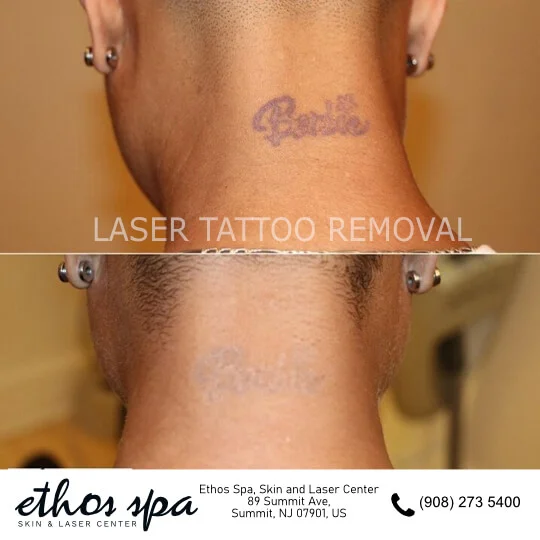
As tattoos have become increasingly popular in Italy among both young people and adults, the number of women getting tattoos has surpassed that of men. According to a study by the Italian National Health Institute, women with tattoos account for 13.8% of the population, compared to 11.7% of men.
The Prevalence of Tattoos
Tattoos come in various forms, from small and simple designs to large and intricate ones that cover a significant area of skin. While many people are satisfied with their tattoos (over 92% according to a study by the ISS), some have expressed desire to remove at least one tattoo.
What is Tattoo Removal?
Tattoo removal refers to the process of eliminating, through chemical and/or surgical techniques, the pigment introduced permanently during tattooing. The choice of technique depends on various factors that affect the ease of removal.
Key Factors Affecting Tattoo Removal
When considering tattoo removal, several factors come into play:
- Size: Larger tattoos are more challenging to remove.
- Depth: Deeper tattoos require more extensive treatment.
- Location: Tattoos in areas with more fat and muscle tissue tend to be easier to remove.
- Characteristics: Designs that cover large areas or have multiple colors can be more difficult to remove.
Tattoo Removal Techniques
There are three main categories of tattoo removal techniques:
- Mechano-Chirurgical Methods
- Salabrasion: involves cauterizing the skin with sodium chloride to dissolve pigment.
- Dermoabrasion: uses rotating blades to remove the top layer of skin, revealing the underlying pigment.
- Curettage: a surgical procedure that removes tissue and pigment from deeper layers.
- Cryochirurgia: freezes the affected area, causing necrosis (cell death) and eventual removal of the tattoo.
- Thermal Methods
- Elettrocoagulazione: uses electrical current to generate heat, causing coagulation and necrosis.
- IPL Therapy: emits a specific wavelength of light that induces phototermolysis, breaking down pigment.
- Laser Treatment (Carbon Dioxide, Argon, Q-Switched): removes tattoos using various wavelengths of light.
- Chemical Methods
- In the past, substances like nitrate of silver and acid tannic were used; however, these can cause permanent scarring.
Choosing a Qualified Professional
Regardless of the chosen method, it’s essential to consult with a qualified doctor or dermatologist specializing in cosmetic surgery. Some online platforms, such as TuaMe.it, offer lists of specialized professionals in Italy.
Please note that attempting self-removal is strongly discouraged due to high risks: infections, permanent scarring, and severe allergic reactions.
What to Expect During the Removal Process
The removal process can vary depending on the chosen technique and method. However, most procedures involve multiple sessions:
- Initial Consultation: A consultation with a qualified professional to assess the tattoo’s size, depth, and location.
- Preparation: The affected area is cleaned and prepared for treatment.
- Treatment Session: The chosen technique or method is applied, and the pigment is broken down or removed.
- Follow-up Sessions: Subsequent sessions may be necessary to achieve desired results.
Potential Complications and Risks
While tattoo removal can be a successful process, there are potential complications and risks to consider:
- Infections: Bacterial infections, such as MRSA, can occur if proper hygiene protocols are not followed.
- Scarring: Permanent scarring can result from inadequate treatment or post-inflammatory hyperpigmentation (PIH).
- Allergic Reactions: Some individuals may experience allergic reactions to the treatment solution or medication used during the procedure.
Maintaining Healthy Skin During and After Removal
To minimize potential complications, it’s essential to follow a healthy skin care routine:
- Keep the Area Clean: Gently wash the affected area with mild soap and lukewarm water.
- Apply Topical Creams: Use topical creams or ointments as directed by your doctor to promote healing and reduce inflammation.
- Avoid Direct Sun Exposure: Protect the skin from direct sunlight, which can cause further irritation and scarring.
Conclusion
Removing tattoos can be a complex process, but with the right guidance and treatment, it’s possible to achieve desired results. By understanding the key factors affecting tattoo removal, choosing a qualified professional, and following proper aftercare procedures, individuals can safely remove unwanted tattoos and enjoy healthier, happier skin.


