
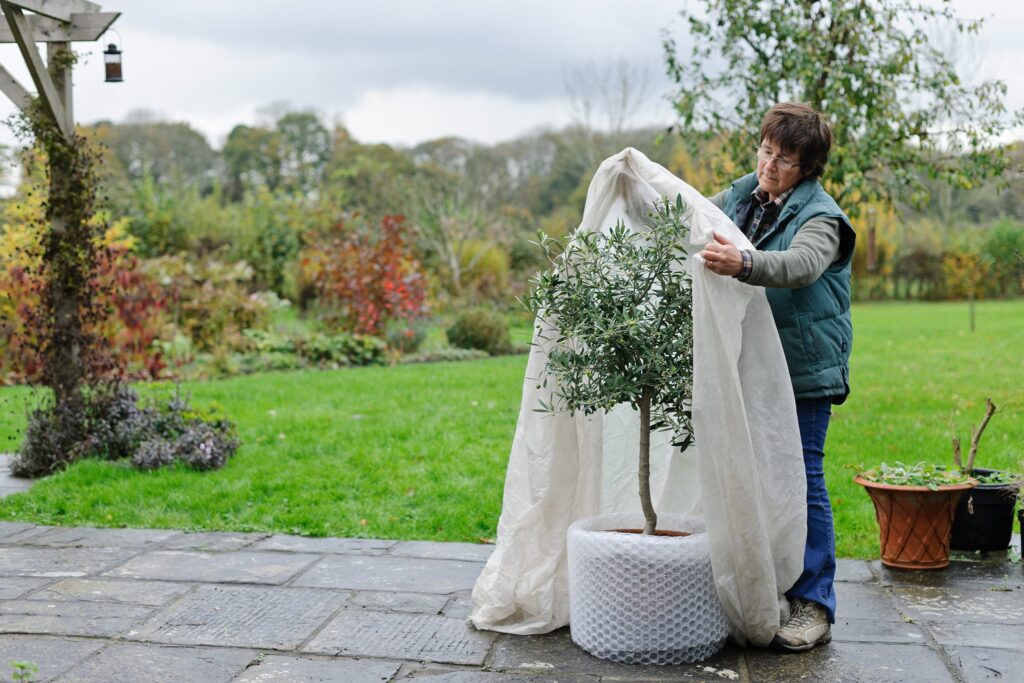
As winter approaches, it’s essential to take proactive measures to protect your plants from the harsh conditions that can cause damage from frost and excessive rainfall. Every plant species has a unique level of resistance to low temperatures and freezing conditions. Some tropical and subtropical plants are not well-suited to cold weather and need protection during the winter months. On the other hand, plants from temperate zones do not require special attention during the winter months.
In this article, we’ll delve into some expert tips and tricks for protecting your plants from frost, including using protective covers and understanding which plants are more resistant to cold temperatures.
Understanding Plant Frost Resistance
Before we dive into the protection methods, it’s essential to understand that each plant species has its unique level of resistance to frost. Some plants can tolerate light frosts with minimal damage, while others may require more extensive protection measures.
For example, tropical and subtropical plants like gerbera, oleander, fuchsia, pelargoniums, citrus trees (especially lemons), and begonias are more sensitive to cold temperatures and need special care during the winter months. In contrast, temperate zone plants tend to be more resilient and require less protection.
Protective Covers: A Practical Solution
One effective way to protect plants from frost is using protective covers made of polyethylene multi-use material. These covers are practical, durable, and can be used for both greenhouse-style tunnels and covering pots and plants in outdoor areas.
By using these covers, you can create a microclimate that shields your plants from harsh winter conditions and helps maintain optimal temperatures.
Types of Protective Covers
There are several types of protective covers available, each with its unique features and benefits:
- Single-layer polyethylene covers: These are lightweight, easy to use, and provide minimal protection against frost.
- Double-layer polyethylene covers: These offer better insulation and protection against frost and wind.
- Greenhouse-style tunnels: These are longer-lasting and more durable than traditional protective covers.
Indoor Protection Options
If you don’t have access to a greenhouse or prefer not to invest in specialized equipment, there are still several options for indoor protection:
- South-facing walls: If possible, place potted plants on south-facing walls that receive direct sunlight during the winter months. This will help create a warm microclimate and protect your plants from frost.
- Burying pots: Burying planters or containers in a trench or hole filled with insulating materials like straw or compost can help retain warmth and protect roots from freezing temperatures.
- Insulated boxes: Use insulated boxes or containers to create a warm microclimate around sensitive plants.
Outdoor Protection Tips
When it comes to protecting plants outdoors, there are several methods you can use:
- Row covers: Use lightweight row covers made of breathable materials like cotton or polyester to cover plants and prevent frost from penetrating the soil.
- Tarpaulins: Place tarpaulins or large sheets over exposed plants to provide a waterproof barrier against rain and wind.
- Mulching: Mulch around plants with insulating materials like straw, bark chips, or shredded leaves to help retain moisture and regulate soil temperature.
Important Considerations
When protecting your plants from frost, keep the following points in mind:
- Air circulation: Ensure that there is adequate air circulation around your plants to prevent moisture buildup and reduce the risk of fungal diseases.
- Light intensity: Avoid placing plants under intense light sources during the winter months, as this can cause stress and damage.
- Watering: Reduce watering during the winter months, but avoid over-drying your plants, as this can also cause damage.
Conclusion
Protecting your plants from frost requires attention to detail, understanding of plant frost resistance, and using the right protection methods. By following these tips and considering your specific climate conditions, you can ensure that your plants thrive during the winter months.
Frequently Asked Questions
Q: What are some common signs of frost damage in plants?
A: Look out for symptoms like discoloration, wilting, or dead leaves on your plants.
Q: How often should I check my plants for frost damage?
A: Regularly inspect your plants for any signs of frost damage and take action promptly if you notice any issues.
Q: Can I use heating pads to protect my plants from frost?
A: While heating pads can provide temporary protection, they are not a reliable long-term solution. Use protective covers or other methods instead.
Q: How do I prevent pests and diseases in protected plants?
A: Ensure good air circulation, maintain humidity levels, and prune infested areas to minimize the risk of pest and disease issues.
Q: Can I protect sensitive plants outdoors during the winter months?
A: While it’s possible to protect some sensitive plants outdoors, others may require more extensive protection measures. Consider using row covers or tarpaulins for added protection.
Q: How can I ensure my plants receive adequate light during the winter months?
A: Use grow lights or place your plants near south-facing windows with minimal obstructions to maximize natural light.
Q: Can I reuse protective covers from previous winters?
A: Yes, but inspect them regularly for any signs of damage or wear and tear. Replace damaged covers to ensure optimal protection for your plants.
Expert Tips for Winter Plant Care
Here are some expert tips for winter plant care:
- Monitor temperature: Keep an eye on the temperature in your area and take action when necessary.
- Choose the right location: Place plants in a spot that provides protection from harsh winds and frost.
- Water carefully: Avoid overwatering, as this can lead to root rot and other issues.
By following these tips and using protective covers, you can ensure that your plants thrive during the winter months.


