
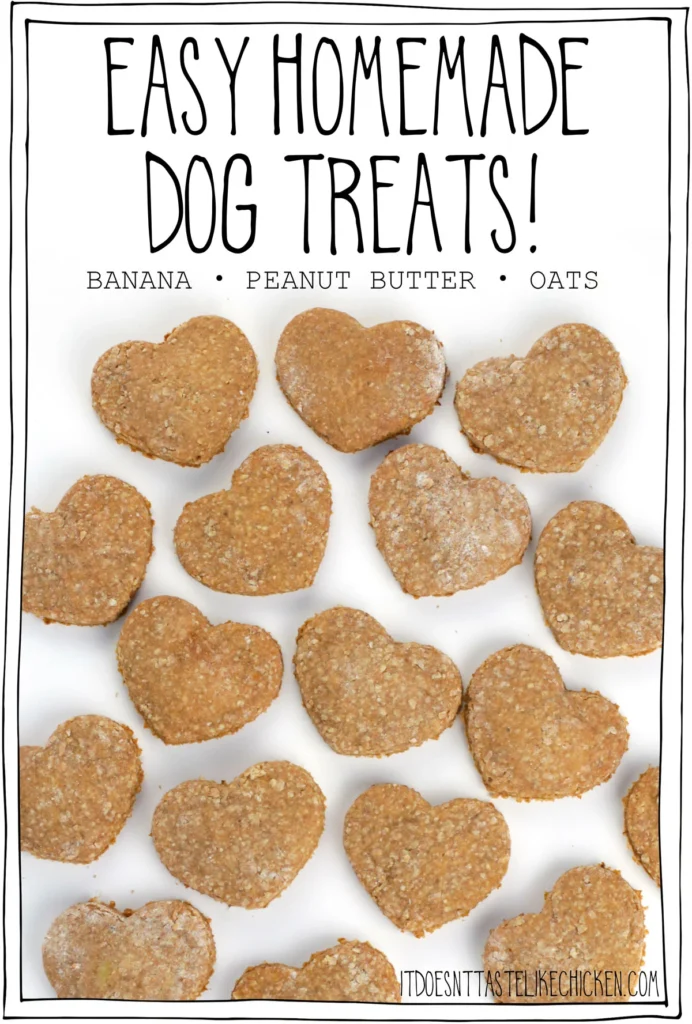
As a pet owner, you want the best for your furry friend. While commercial dog treats are readily available, many contain preservatives, additives, and fillers that can be detrimental to your dog’s health. That’s why making homemade dog treats is an excellent idea. In this article, we’ll explore the benefits of homemade dog treats, share two delicious recipes, and provide you with a comprehensive guide on what makes a great homemade dog treat.
The Importance of Natural Ingredients
Just like humans, dogs benefit from whole, natural ingredients that are rich in nutrients and low in processed additives. By making your own dog treats at home, you can control the ingredients and ensure that they are healthy and safe for your pet to consume. From fruits and vegetables to whole grains and lean proteins, the possibilities are endless.
Why Homemade Dog Treats Are Better
Commercial dog treats often contain a cocktail of ingredients designed to make them more appealing to dogs. However, these additives can have negative effects on your dog’s health, such as:
- Preservatives that can cause allergic reactions
- Fillers like corn and wheat that provide little nutritional value
- Sugars and artificial sweeteners that contribute to weight gain and dental problems
By making homemade dog treats, you can avoid these common pitfalls and create a healthier snack option for your pet.
The Benefits of Homemade Dog Treats
Making homemade dog treats offers numerous benefits for your furry friend. Some of the most significant advantages include:
- Improved Digestion: Whole ingredients like fruits, vegetables, and whole grains provide essential fiber, vitamins, and minerals that support healthy digestion.
- Increased Nutrient Content: By choosing natural ingredients, you can ensure that your dog receives a balanced diet with all the necessary nutrients for optimal health.
- Reduced Allergy Risk: Homemade dog treats are less likely to contain allergens like corn, wheat, and soy, making them a great option for dogs with food allergies.
- Customization: With homemade dog treats, you can tailor recipes to meet your dog’s individual needs and preferences.
- Cost-Effective: Making your own dog treats can be more cost-effective than buying commercial products, especially when made in large batches.
Recipe 1: Apple Cake
Apple cake is a classic human dessert that’s also delicious for dogs. This treat boasts essential digestive and astringent properties from the apple, making it an excellent choice for healthy digestion.
Ingredients:
- 2 apples, peeled and chopped
- 200g rice flour
- 2 tablespoons of honey
- 2 eggs
- 1 small potato, boiled and mashed
Instructions:
- Preheat your oven to 160°C.
- In a large bowl, mix together the rice flour, honey, eggs, and mashed potatoes.
- Add the chopped apples and mix until well combined.
- Spoon the mixture into a greased cake pan and bake for 20-25 minutes or until golden brown.
Recipe 2: Pumpkin Cake
Pumpkin is an excellent ingredient for homemade dog treats due to its high vitamin content, which reinforces the coat and skin and improves digestion.
Ingredients:
- 1 egg
- 1 cup of flour
- One-third cup of arachid oil (made at home)
- Two-thirds cup of pumpkin puree
- 1 teaspoon of yeast
- Oil
Instructions:
- Preheat your oven to 160°C.
- In a large bowl, mix together the flour, yeast, and arachid oil.
- Add the pumpkin puree and egg, mixing until well combined.
- Spoon the mixture into a greased cake pan and bake for 20-25 minutes or until golden brown.
Common Ingredients in Homemade Dog Treats
While you can use a variety of ingredients to make homemade dog treats, some common ones include:
- Honey: A natural sweetener with antibacterial properties that’s safe for dogs in moderation.
- Yeast: Provides essential B vitamins and can help support healthy digestion.
- Rice flour: A good source of fiber and protein that’s easily digestible by dogs.
- Oats: Rich in fiber, oats are an excellent ingredient for homemade dog treats.
- Carrots: High in vitamin A, carrots are a nutritious addition to homemade dog treats.
- Pumpkin: Rich in fiber, vitamins, and minerals, pumpkin is a popular ingredient in homemade dog treats.
These ingredients are not only nutritious but also safe for your dog to consume.
What Makes a Great Homemade Dog Treat?
When making homemade dog treats, it’s essential to consider the following factors:
- Nutritional Value: Choose ingredients that provide a balance of protein, fat, and carbohydrates.
- Safety: Ensure that all ingredients are safe for your dog to consume.
- Digestibility: Select ingredients that are easy for your dog to digest.
- Taste: Make sure the treats are delicious and appealing to your dog.
Tips for Making Delicious Homemade Dog Treats
Here are some additional tips to help you create the best homemade dog treats:
- Use Fresh Ingredients: Choose fresh, whole ingredients whenever possible to ensure the highest nutritional value.
- Avoid Common Allergens: If your dog has food allergies or sensitivities, choose alternative ingredients that are safe and healthy.
- Add Variety: Mix and match different ingredients to create a variety of flavors and textures for your dog to enjoy.
- Store Safely: Store homemade dog treats in an airtight container in the refrigerator or freezer to keep them fresh.
Conclusion
Making homemade dog treats is a simple and rewarding way to provide your pet with healthy, tasty snacks. By choosing natural ingredients and avoiding preservatives and additives, you can create a healthier alternative to commercial dog treats. With these two recipes and our comprehensive guide on what makes a great homemade dog treat, you’re ready to start baking for your furry friend.
Frequently Asked Questions
- What are the benefits of using whole grains in homemade dog treats?
Whole grains like oats and rice flour provide fiber, vitamins, and minerals that support healthy digestion and overall well-being. - Can I use chocolate as an ingredient in my homemade dog treats?
No, chocolate is toxic to dogs due to its high caffeine content. Always choose safe, dog-friendly ingredients. - How often should I give my dog homemade treats?
As a general rule, limit your dog’s human food and treats to 10% of their daily calorie intake. Make sure to consult with your veterinarian for specific advice on treat frequency and portion sizes. - Can I make homemade dog treats for dogs with allergies or sensitivities?
Yes, you can modify recipes to accommodate dogs with allergies or sensitivities by using alternative ingredients like coconut flour or sweet potatoes. - What are some common mistakes to avoid when making homemade dog treats?
Common mistakes include overusing sugar, adding preservatives, and not storing treats properly. - Can I give my dog homemade treats with raw meat?
While it’s best to use cooked meats in homemade dog treats, you can also use raw meats like chicken or beef as long as they’re handled safely and stored properly. - How do I store homemade dog treats?
Store your homemade dog treats in an airtight container in the refrigerator for up to 3 days or freeze them for up to 2 months. - Can I share my homemade dog treats with other pets?
No, it’s best to keep homemade dog treats exclusive to your own pet to avoid cross-contamination and potential allergic reactions.


