
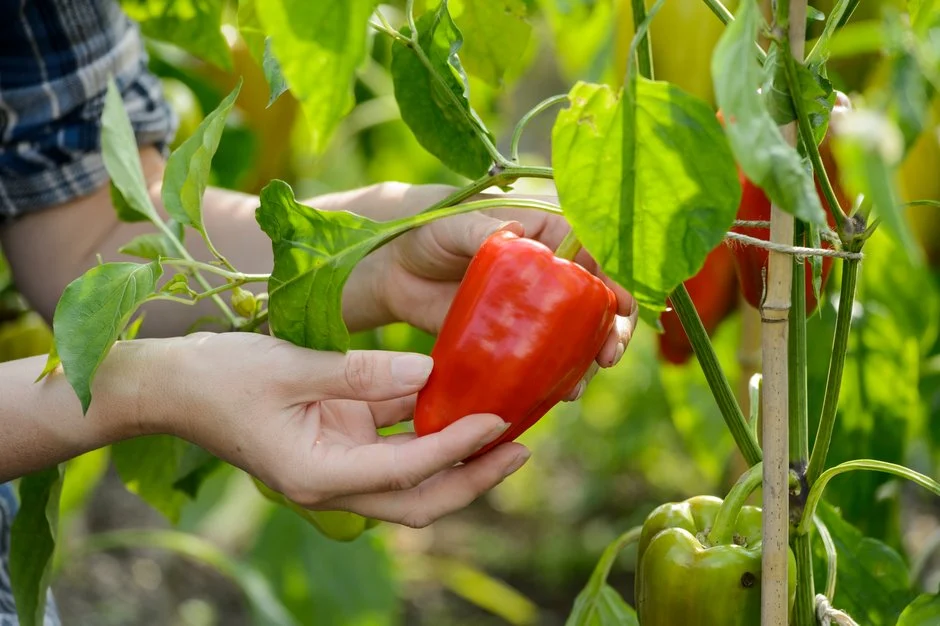
1. Introduction to Pepper Growing
Pepper is a popular and versatile vegetable that can be grown in both indoor and outdoor spaces. With the right conditions and care, pepper plants can thrive and produce a bountiful harvest of delicious peppers. In this article, we will delve into the world of pepper growing, covering everything from selecting the right variety to harvesting your crops.
Peppers are one of the most widely cultivated vegetables in the world, with over 200 different varieties grown globally. They come in a range of colors, shapes, and sizes, from sweet bell peppers to spicy hot peppers. Whether you’re looking to grow peppers for culinary use or to add some color and interest to your garden, this guide will provide you with all the information you need to get started.
2. Choosing the Right Time to Plant
The ideal time to plant pepper depends on your location and climate. In temperate zones, it’s best to start seedlings indoors 6-8 weeks before the last frost date, then transplant them outside when the weather warms up. In warmer climates, you can direct sow seeds in late winter or early spring.
Before planting, make sure to check the average frost dates for your area and choose a variety of pepper that is suitable for your climate zone. Some popular varieties include ‘Bell Boy’, ‘Sweet Pepper’, and ‘Jalapeño’.
3. Optimal Temperature and Soil Conditions
Pepper plants love warm temperatures between 65°F (18°C) and 85°F (29°C). They require well-draining soil with a pH range of 6.0-7.0. If your soil is heavy clay or sandy, mix in some organic matter to improve its structure.
To create an ideal growing environment for peppers, make sure to provide them with:
- Full sun: Peppers need at least 6 hours of direct sunlight per day.
- Good air circulation: This helps prevent fungal diseases and promotes healthy growth.
- Well-draining soil: Peppers don’t like wet feet, so make sure your soil drains well.
4. Sowing Seeds
Sow seeds about 1/4 inch deep in seed starting trays or small pots filled with a good quality potting mix. Keep the soil consistently moist but not waterlogged. Transplant seedlings into larger containers or directly into the garden when they have 2-3 sets of leaves.
When sowing seeds, make sure to:
- Use high-quality seeds from a reputable supplier.
- Sow seeds at the correct depth and spacing for your variety.
- Keep the soil consistently moist but not waterlogged.
5. Providing Adequate Light and Water
Pepper plants need plenty of light to grow, so choose a location that receives full sun (at least 6 hours of direct sunlight) or partial shade. Water your pepper plants regularly, but avoid overwatering, which can lead to root rot and other problems.
To ensure your peppers get the right amount of water, make sure to:
- Check the soil moisture daily by inserting a finger into the soil up to the first knuckle.
- Water deeply but infrequently to encourage deep root growth.
- Avoid getting water on the leaves or crown of the plant to prevent fungal diseases.
6. Fertilizing Your Pepper Plants
Feed your pepper plants with a balanced fertilizer once a month. You can also side-dress with a high-phosphorus fertilizer to promote fruiting.
When choosing a fertilizer, make sure to:
- Use a balanced fertilizer (10-10-10 NPK) for overall plant growth.
- Side-dress with a high-phosphorus fertilizer (15-30-15 NPK) to promote fruiting and flowering.
7. Pruning and Training
Prune your pepper plant regularly to encourage bushy growth and prevent legginess. Remove any weak or spindly branches, and train the plant onto a trellis or cage if necessary.
When pruning, make sure to:
- Use clean and sharp tools to avoid spreading diseases.
- Prune in the morning, when the plant is at its highest water content.
- Prune only what’s necessary to maintain shape and promote healthy growth.
8. Pest and Disease Management
Keep an eye out for common pests like aphids, whiteflies, and spider mites. Use organic pest control methods whenever possible to minimize harm to your plants. Regularly inspect your pepper plants for signs of disease like yellowing leaves or black spots, and treat promptly if necessary.
To manage pests and diseases, make sure to:
- Use physical barriers like fine mesh or row covers to prevent pests from reaching your plants.
- Spray with water or a mild soap solution to control pests and diseases.
- Treat promptly with organic or chemical pesticides to minimize harm to beneficial insects.
9. Harvesting Your Peppers
Pepper plants typically take 70-90 days from sowing seeds to maturity. Start checking for peppers when the fruit is about 1/4 inch in diameter. Harvest your peppers regularly to encourage the plant to produce more fruit.
When harvesting, make sure to:
- Check the color and texture of the pepper before cutting it off the plant.
- Use a sharp knife or pruning shears to avoid bruising the plant.
- Handle peppers carefully to avoid damage and spoilage.
10. Tips and Tricks for Growing Pepper in Containers
Growing pepper in containers can be a great option for small spaces or indoor gardening. Here are some tips to keep in mind:
- Use a large enough container with good drainage.
- Choose a variety of pepper that is well-suited for container growing.
- Provide adequate light and warmth.
- Water carefully, as containers dry out quickly.
11. Growing Pepper in Vases
Growing pepper in vases can be a fun and rewarding experience. Here are some tips to get you started:
- Use a large enough vase with good drainage.
- Choose a variety of pepper that is well-suited for vase growing.
- Provide adequate light and warmth.
- Water carefully, as vases dry out quickly.
12. Growing Pepper in Greenhouses
Growing pepper in greenhouses can provide optimal conditions for plant growth. Here are some tips to keep in mind:
- Use a greenhouse with good ventilation and temperature control.
- Choose a variety of pepper that is well-suited for greenhouse growing.
- Provide adequate light and warmth.
- Water carefully, as greenhouses dry out quickly.
13. Growing Pepper from Seeds
Growing pepper from seeds can be a fun and rewarding experience. Here are some tips to get you started:
- Use high-quality seeds from a reputable supplier.
- Sow seeds about 1/4 inch deep in seed starting trays or small pots filled with a good quality potting mix.
- Keep the soil consistently moist but not waterlogged.
14. Growing Pepper Cuttings
Growing pepper from cuttings can be a fast and easy way to propagate new plants. Here are some tips to get you started:
- Use healthy stem cuttings from a mature pepper plant.
- Remove lower leaves, leaving only 2-3 sets of leaves at the top.
- Plant the cutting in a well-draining potting mix and keep it consistently moist but not waterlogged.
15. Common Problems with Pepper Plants
Pepper plants can be susceptible to a range of problems, including:
- Root rot: caused by overwatering or poor drainage
- Leaf spot: caused by fungal diseases like Septoria leaf spot
- Aphids: small, soft-bodied insects that feed on plant sap
To prevent and treat common problems with pepper plants, make sure to:
- Monitor your plants regularly for signs of disease or pests.
- Use organic pest control methods whenever possible to minimize harm to beneficial insects.
- Treat promptly with fungicides or insecticides to prevent the spread of disease.
FAQs
- What is the best way to grow pepper in containers?
Use a large enough container with good drainage, choose a variety of pepper that is well-suited for container growing, and provide adequate light and warmth. - How often should I water my pepper plants?
Water your pepper plants regularly, but avoid overwatering, which can lead to root rot and other problems. - What is the best way to fertilize my pepper plants?
Feed your pepper plants with a balanced fertilizer once a month, and side-dress with a high-phosphorus fertilizer to promote fruiting and flowering. - How do I prevent pests from reaching my pepper plants?
Use physical barriers like fine mesh or row covers to prevent pests from reaching your plants, and spray with water or a mild soap solution to control pests.
By following these tips and tricks for growing peppers, you’ll be well on your way to enjoying a bountiful harvest of delicious and nutritious peppers!


