
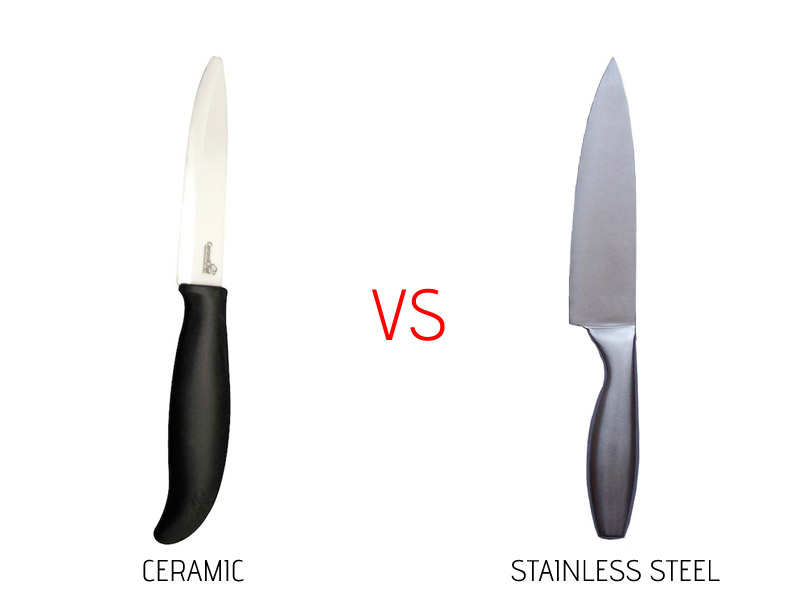
As a home cook or professional chef, choosing the right knife can be a daunting task. With so many options available, it’s easy to get overwhelmed by the different materials, designs, and features. In this article, we’ll delve into the world of ceramic and steel knives, exploring their differences, advantages, and disadvantages.
The Ceramic Knife: A Precise but Limited Tool
Ceramic knives have gained popularity in recent years due to their sharpness, light weight, and ease of use. However, they also come with some limitations. Here are some key points to consider:
- Advantages:
- Lightweight
- Slight cutting action
- Resistant to rust (although not as durable as steel)
- Easy to clean and maintain
- Disadvantages:
- Fragile and prone to chipping if dropped
- Not suitable for heavy-duty tasks or cutting thick, hard materials
- May require more frequent sharpening
The Steel Knife: A Durable but Requires More Maintenance
Steel knives, on the other hand, are known for their durability and versatility. However, they also come with some drawbacks:
- Advantages:
- Extremely durable and long-lasting
- Can be used for a wide range of tasks and materials
- Easy to sharpen and maintain
- Disadvantages:
- Heavier than ceramic knives
- May require more frequent sharpening
- More prone to rust if not properly maintained
Choosing the Right Ceramic Knife
If you do decide to go with a ceramic knife, here are some tips for choosing the right one:
- Look for high-quality brands: Research different brands and models to find one that stands out in terms of quality, durability, and performance.
- Consider the size and shape: Larger knives may be more suitable for heavy-duty tasks, while smaller knives can be better for precision cutting.
- Check the handle material: Ergonomic handles made from wood or synthetic materials can provide a comfortable grip and improve overall usability.
- Warranty and customer support: Make sure to check the warranty offered by the manufacturer and their customer support team in case you encounter any issues with your knife.
Choosing the Right Steel Knife
If you opt for a steel knife, here are some tips for selecting the right one:
- High-carbon stainless steel blades: Look for knives made from high-carbon stainless steel that resist rust and corrosion.
- Size and shape: Larger knives can be better for heavy-duty tasks, while smaller knives may be more suitable for precision cutting.
- Handle material: Ergonomic handles made from wood or synthetic materials can improve overall usability and comfort.
- Warranty and customer support: Research the manufacturer’s warranty offered and their customer support team to ensure you receive proper assistance if needed.
FAQs
- What is the difference between ceramic and steel knives?
Ceramic knives are made from high-quality, dense ceramic materials that are lightweight and precise. Steel knives, on the other hand, are made from durable metals that can handle heavy-duty tasks. - Which type of knife is better for precision cutting?
Ceramic knives are ideal for precision cutting due to their sharpness and light weight. - Can I use a ceramic knife in the kitchen?
Yes, but it’s essential to be mindful of the material’s limitations. Avoid using a ceramic knife for heavy-duty tasks or cutting thick, hard materials. - How often should I sharpen my steel knife?
Steel knives require regular sharpening, depending on usage and maintenance habits. - Can I clean a ceramic knife in a dishwasher?
No, it’s best to hand-wash a ceramic knife to avoid damage or chipping.
Tips for Maintaining Your Ceramic Knife
To ensure your ceramic knife remains sharp and effective, follow these tips:
- Store the knife properly: Store the knife in a protective case when not in use to prevent scratches and damage.
- Clean the knife regularly: Wash the knife with soap and water after each use, and dry it thoroughly to prevent rust and corrosion.
- Avoid using abrasive materials: Avoid using abrasive materials like steel wool or scouring pads to clean the knife, as they can scratch the ceramic surface.
Tips for Maintaining Your Steel Knife
To ensure your steel knife remains sharp and effective, follow these tips:
- Store the knife properly: Store the knife in a protective case when not in use to prevent scratches and damage.
- Clean the knife regularly: Wash the knife with soap and water after each use, and dry it thoroughly to prevent rust and corrosion.
- Use a sharpening stone or steel: Regularly sharpen your steel knife using a sharpening stone or steel to maintain its edge.
By considering these factors and choosing the right type of knife for your needs, you’ll be well on your way to becoming a skilled cook with confidence in the kitchen.


