
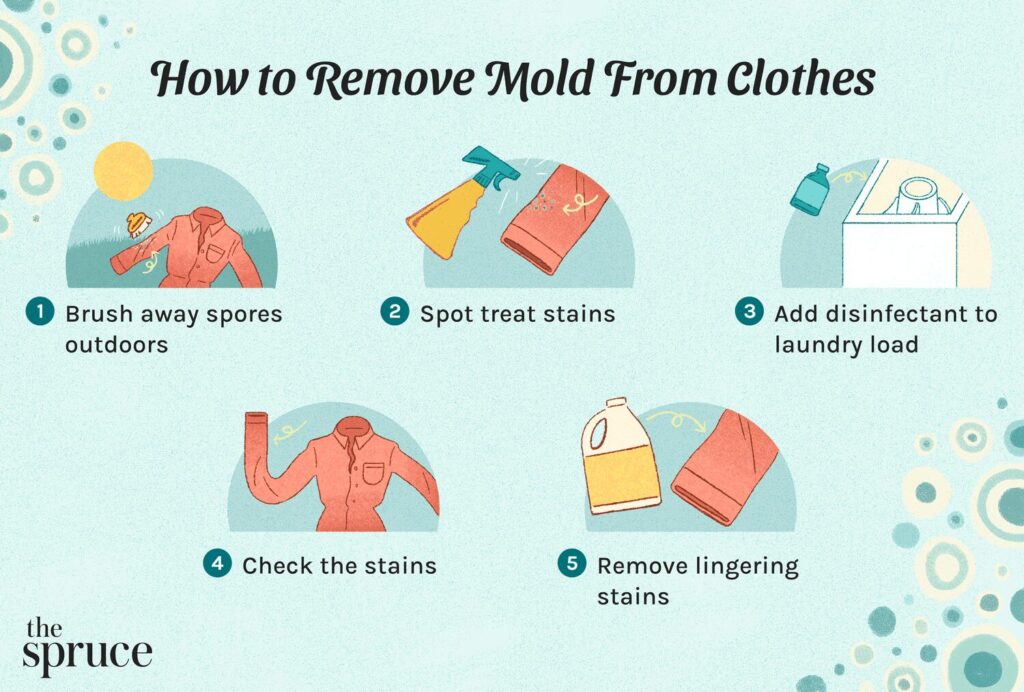
What is Mould on Fabrics?
Mould can appear anywhere, but it’s especially troublesome when it comes to delicate fabrics. It can leave unsightly stains that are difficult to remove, and in some cases, damage the fabric itself. In this article, we’ll explore different methods for removing mould from various types of fabrics, including colourful and delicate ones.
Why is Mould a Problem?
Mould thrives in damp environments, which makes it a common issue during rainy or humid seasons. When mould appears on fabrics, it can lead to unpleasant odours, staining, and even damage to the fabric. However, with the right techniques and natural remedies, you can remove mould from your fabrics without damaging them.
The Science Behind Mould Growth
Mould growth is often caused by excess moisture, humidity, or poor ventilation. Fabrics that are prone to mould growth include wool, cotton, silk, and synthetic fabrics like polyester and nylon. To prevent mould growth, it’s essential to understand the conditions that favour its development.
Why Natural Remedies Work
Natural remedies can be an effective way to remove mould from fabrics because they don’t contain harsh chemicals that can damage or discolor certain materials. Instead of using synthetic detergents or bleach, natural remedies like baking soda, lemon juice, and salt work by:
- Neutralizing the pH level: Baking soda and lemon juice have a neutral pH level, which helps to balance out the alkalinity of mould growth.
- Inhibiting bacterial growth: Salt has antibacterial properties that can help prevent further mould growth.
- Breaking down organic matter: Lemon juice contains citric acid, which helps break down organic matter and remove mould stains.
Removing Mould from Coloured Fabrics
When dealing with coloured fabrics, it’s essential to use gentle methods to avoid damaging the dyes or causing further staining. One effective method is using a solution of perborate. Here’s how to do it:
- Soak the fabric in hot water (40°C) for about an hour.
- Add a teaspoon of perborate powder to the soaking liquid and let it sit overnight.
- Wash the fabric as usual the next day.
Important Note: If your coloured fabrics have metal buttons or other similar attachments, you cannot use perborate due to its corrosive properties. In such cases, use salt and lemon juice instead:
- Sprinkle coarse salt on the affected area
- Squeeze some fresh lemon juice onto the salt
- Let it sit for about an hour before washing the fabric as usual
Removing Mould from Wool Fabrics
Wool fabrics can be more challenging to clean due to their delicate nature. However, with the right approach, you can remove mould without damaging them:
- Mix baking soda and hot water (5 tablespoons of baking soda per 500 ml of water) to create a paste.
- Apply the paste to the affected area and gently rub it in with your fingers or a soft cloth.
- Let it sit for about an hour before rinsing the fabric under running water and washing it as usual.
Alternative Method: For colour-treated wool fabrics, you can use white vinegar instead of baking soda:
- Mix equal parts white vinegar and water
- Apply the solution to the affected area
- Let it sit for about an hour before rinsing and washing
Removing Mould from Fabric Scarves
Fabric scarves are often made from delicate materials that can be easily damaged by mould. Here’s a simple method to remove mould from fabric scarves:
- Soak the scarf in a mixture of equal parts water and white vinegar.
- Sprinkle some salt onto the affected area
- Let it sit for about an hour before rinsing the scarf under running water and washing it as usual.
Removing Mould from Denim Jeans
Denim jeans can be a challenge when it comes to removing mould, but with the right technique, you can successfully remove mould without damaging them:
- Soak the jeans in hot water (40°C) for about an hour.
- Add a teaspoon of perborate powder to the soaking liquid and let it sit overnight.
- Wash the jeans as usual the next day.
Removing Mould from Cotton Bedding
Cotton bedding can be prone to mould growth, especially during humid seasons. Here’s how to remove mould from cotton bedding:
- Soak the bedding in a mixture of equal parts water and white vinegar.
- Sprinkle some salt onto the affected area
- Let it sit for about an hour before rinsing the bedding under running water and washing it as usual.
Tips and Tricks
- Always check the care label before attempting to remove mould from your fabrics, as some materials may require special cleaning techniques.
- When using natural remedies, test a small, inconspicuous area of the fabric first to ensure that they won’t cause any discoloration or damage.
Preventing Mould Growth
To prevent mould growth on your fabrics, follow these tips:
- Ensure good ventilation in your home.
- Wash your fabrics regularly.
- Avoid overloading washing machines.
- Dry your fabrics as soon as possible after they come out of the wash.
Common Mistakes to Avoid
When attempting to remove mould from your fabrics, there are a few common mistakes to avoid:
- Not checking the care label before cleaning.
- Using harsh chemicals or bleach without proper testing.
- Not rinsing the fabric thoroughly after removing mould.
Conclusion
Removing mould from fabrics requires patience and the right techniques. By following these methods and tips, you can successfully remove mould without damaging your delicate fabrics. Remember to always check the care label and test a small area before attempting any cleaning method to ensure the best results.
Frequently Asked Questions (FAQs)
Q: What are some common natural remedies for removing mould from fabrics?
A: Perborate, baking soda, lemon juice, white vinegar, and salt are all effective natural remedies for removing mould from different types of fabrics.
Q: Can I use bleach to remove mould from my fabric?
A: No, it’s not recommended. Bleach can damage or discolor certain fabrics, so always check the care label before attempting to clean your fabrics with bleach.
Q: How do I prevent mould growth on my fabrics in the future?
A: To prevent mould growth, ensure good ventilation in your home, wash your fabrics regularly, and avoid overloading washing machines.


