
Machine learning is a rapidly growing field that has revolutionized the way we live and work. From personalized recommendations to self-driving cars, machine learning has enabled machines to learn from data and make decisions on their own. In this article, we will delve into the world of machine learning and explore its applications, benefits, and future prospects.
What is Machine Learning?
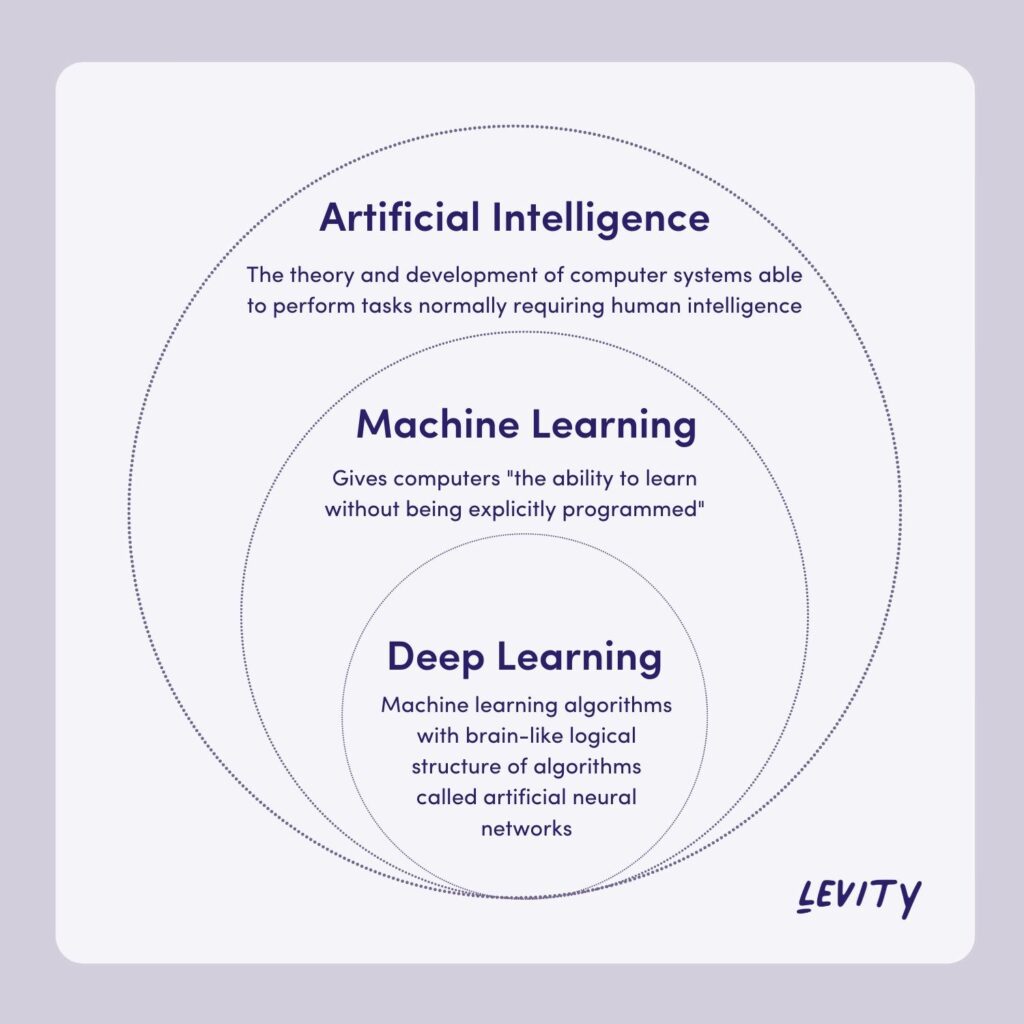
Machine learning is a subset of artificial intelligence that involves training algorithms to learn patterns in data and make predictions or decisions based on that data. It uses statistical models to identify relationships between variables and can be used for a wide range of tasks, including image recognition, natural language processing, and predictive analytics.
History of Machine Learning
Machine learning has its roots in the 1950s, when computer scientists like Alan Turing and Marvin Minsky began exploring the concept of machine learning. However, it wasn’t until the 1990s that machine learning started to gain popularity, with the development of algorithms like decision trees and support vector machines.
Applications of Machine Learning
Machine learning has numerous applications across various industries, including:
- Finance: Predicting stock prices, credit risk assessment, and fraud detection
- Healthcare: Disease diagnosis, personalized medicine, and patient outcomes prediction
- Customer Service: Chatbots, sentiment analysis, and customer segmentation
- Marketing: Personalized advertising, recommendation systems, and market segmentation
How Machine Learning Works
Machine learning algorithms work by:
- Data Collection: Gathering data from various sources, including sensors, databases, and user inputs.
- Data Preprocessing: Cleaning, transforming, and feature engineering to prepare the data for training.
- Model Training: Using machine learning algorithms to train a model on the preprocessed data.
- Model Deployment: Deploying the trained model in production environments.
Types of Machine Learning
There are three main types of machine learning:
- Supervised Learning: Training models on labeled data to predict outcomes.
- Unsupervised Learning: Discovering patterns and relationships in unlabeled data.
- Reinforcement Learning: Training models through trial and error to achieve specific goals.
Machine Learning vs. Deep Learning
Deep learning is a subset of machine learning that uses neural networks to learn complex patterns in data. While deep learning has achieved state-of-the-art results in many applications, it also requires large amounts of data and computational resources.
Real-World Examples of Machine Learning
- Image Recognition: Google’s image recognition algorithm can identify objects in images with remarkable accuracy.
- Natural Language Processing: Siri and Alexa use machine learning to understand voice commands and respond accordingly.
- Predictive Maintenance: Companies like GE Appliances use machine learning to predict equipment failures and schedule maintenance.
Benefits of Machine Learning
Machine learning has several benefits, including:
- Improved Accuracy: Machine learning algorithms can analyze large amounts of data and identify patterns that may not be apparent to humans.
- Increased Efficiency: Machine learning can automate many tasks, freeing up human resources for more strategic work.
- Reduced Costs: Machine learning can help companies reduce costs by predicting demand, optimizing inventory, and improving resource allocation.
Challenges of Machine Learning
However, machine learning also has several challenges, including:
- Data Quality: Machine learning algorithms require high-quality data to produce accurate results. Poor data quality can lead to biased models and poor decision-making.
- Explainability: Machine learning models can be difficult to understand and interpret, making it challenging to explain their decisions and actions.
- Security: Machine learning models can be vulnerable to attacks, such as adversarial examples, which can compromise the integrity of the model.
Future Prospects of Machine Learning
Machine learning is expected to play a increasingly important role in many industries, including:
- Healthcare: Machine learning will continue to improve disease diagnosis and personalized medicine.
- Finance: Machine learning will help companies predict stock prices and detect credit risk more accurately.
- Customer Service: Machine learning will enable chatbots and virtual assistants to understand voice commands and respond accordingly.
Conclusion
Machine learning is a rapidly evolving field that has the potential to transform industries and revolutionize the way we live and work. From personalized recommendations to self-driving cars, machine learning has enabled machines to learn from data and make decisions on their own. As machine learning continues to evolve, we can expect to see new applications, benefits, and challenges emerge.
Frequently Asked Questions
- What is machine learning?
Machine learning is a subset of artificial intelligence that involves training algorithms to learn patterns in data and make predictions or decisions based on that data. - How does machine learning work?
Machine learning algorithms work by collecting data, preprocessing it, training a model on the preprocessed data, and deploying the trained model in production environments. - What are the applications of machine learning?
Machine learning has numerous applications across various industries, including finance, healthcare, customer service, and marketing. - Is deep learning the same as machine learning?
Deep learning is a subset of machine learning that uses neural networks to learn complex patterns in data. - Can machine learning be used for predictive maintenance?
Yes, companies like GE Appliances use machine learning to predict equipment failures and schedule maintenance. - How does machine learning improve decision-making?
Machine learning improves decision-making by providing algorithms with the ability to analyze large amounts of data, identify patterns, and make predictions based on that analysis. - What are the benefits of using machine learning?
The benefits of using machine learning include improved accuracy, increased efficiency, and reduced costs. - Is machine learning a replacement for human intuition?
No, machine learning is not a replacement for human intuition. Instead, it is a tool that can be used in conjunction with human intuition to improve decision-making.
Additional Resources
- “A tu per tu col Machine Learning” by Alessandro Cucci
- Deep learning and machine learning
- Google’s machine learning resources
- Microsoft’s machine learning resources
Best Practices for Implementing Machine Learning
- Data Quality: Ensure that your data is high-quality, relevant, and accurate.
- Model Evaluation: Evaluate your model regularly to ensure it remains accurate and effective.
- Explainability: Use techniques like feature importance and partial dependence plots to explain how your model works.
- Security: Implement security measures to protect your model from attacks and data breaches.
- Collaboration: Collaborate with domain experts to ensure that your model is aligned with business goals and objectives.
Conclusion
Machine learning has the potential to transform industries and revolutionize the way we live and work. By understanding the applications, benefits, and challenges of machine learning, businesses can harness its power to improve decision-making, increase efficiency, and reduce costs.


