
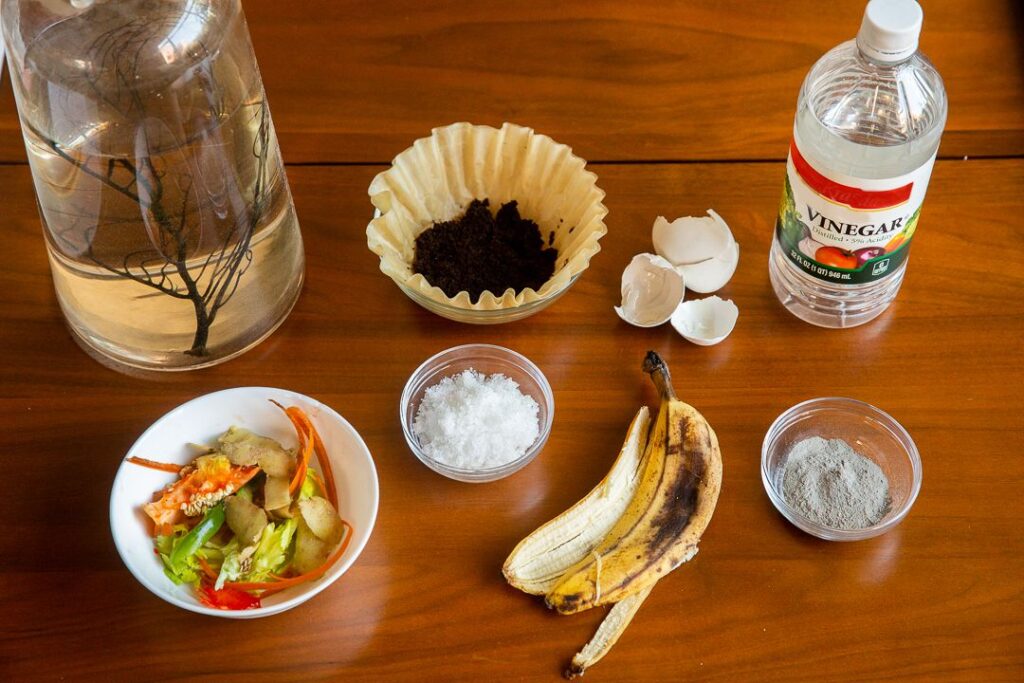
As a gardener, you know that providing your plants with the necessary nutrients is crucial for healthy growth and productivity. But why rely on commercial fertilizers when you can create your own natural fertilizer using common ingredients? In this article, we’ll show you how to make a homemade fertilizer using aglow, onions, and tansy – a simple, eco-friendly, and cost-effective way to keep your garden thriving.
Why Make Your Own Fertilizer?
Using commercial fertilizers can have negative impacts on the environment, not to mention the health of your soil. These chemicals can contaminate waterways, harm beneficial microorganisms, and even affect human health. By making your own fertilizer, you’re avoiding these risks and creating a more sustainable gardening practice.
Commercial fertilizers often rely on synthetic nutrients that are derived from non-renewable resources, such as petroleum and gas. These nutrients may not be easily absorbed by plants and can lead to an overabundance of certain elements in the soil. This can result in imbalanced nutrient levels, which can negatively impact plant health and even affect human consumption.
On the other hand, natural fertilizers like the ones we’ll discuss in this article are derived from organic materials that are readily available and biodegradable. These ingredients are rich in essential nutrients that plants need to grow and thrive.
Gathering Ingredients
To make our homemade fertilizer, we’ll need the following ingredients:
- 500 grams of dried aglow and onions
- 500 grams of tansy dried (available at herbal stores or online)
- A small amount of starchy pellets (available at agricultural cooperatives or specialty stores like Leroy Merlin)
- A few tablespoons of bentonite powder or rock flour
The Benefits of Each Ingredient
- Aglow: This herb is rich in nitrogen, phosphorus, and potassium – the three essential macronutrients for plant growth. Aglow also helps to improve soil structure and fertility.
- Onions: Onions are high in sulfur, which promotes healthy microbial activity in the soil. They also contain other nutrients like potassium and magnesium that benefit plant growth.
- Tansy: Tansy is a natural pest repellent and can help control aphids, whiteflies, and other pests. It’s also rich in iron and calcium, essential for plant health.
- Starchy pellets: These pellets provide a concentrated source of nitrogen and phosphorus, helping to boost soil fertility and promote healthy root growth.
- Bentonite powder or rock flour: Both of these ingredients help improve soil structure, retain moisture, and support beneficial microbial activity.
Preparing the Fertilizer
To make our homemade fertilizer, simply combine all the ingredients in a large container and add 10 liters of rainwater. Stir well and let it sit for at least 10 days in a safe location, out of reach of children and pets.
During this time, the ingredients will break down and release their nutrients into the liquid mixture. This process can take anywhere from a few weeks to several months, depending on factors like temperature and soil quality.
Using Your Homemade Fertilizer
Once your fertilizer is ready, transfer it to various bottles with tight-fitting lids and label them as “Homemade Fertilizer.” You can use this fertilizer by sprinkling it around the base of your plants during the summer months (July-September). For each plant, a cup will be sufficient, applied once a week.
Tips for Effective Application
- Always apply the fertilizer in the morning, when the sun is not too intense.
- Avoid applying the fertilizer during periods of heavy rainfall or irrigation.
- Mix the fertilizer with water according to the recommended ratio (usually 1:10) to avoid over-fertilizing your plants.
- Use a gentle watering technique, such as sprinkling or misting, to minimize soil erosion and runoff.
Tips and Variations
- Use this homemade fertilizer as an antiparassitario: simply macerate the herbs to create a natural pest repellent.
- Experiment with different combinations of ingredients to create unique fertilizers tailored to your specific gardening needs.
- Consider adding other natural ingredients, such as comfrey or alfalfa, to boost soil fertility and promote healthy microbial activity.
Benefits for Soil Health
Our homemade fertilizer is not only beneficial for plant growth but also has a positive impact on soil health. By using natural ingredients like aglow, onions, and tansy, you’re:
- Promoting healthy microbial activity: These ingredients are rich in nutrients that support the growth of beneficial microorganisms in the soil.
- Improving soil structure: The starchy pellets and bentonite powder or rock flour help to improve soil drainage and aeration.
- Reducing soil erosion: The tansy’s deep taproot helps to hold the soil in place, reducing erosion and runoff.
Benefits for Plant Health
Our homemade fertilizer is also beneficial for plant health. By providing plants with essential nutrients like nitrogen, phosphorus, and potassium, you’re:
- Promoting healthy growth: These macronutrients are essential for plant development and productivity.
- Supporting root growth: The starchy pellets provide a concentrated source of nitrogen and phosphorus that promotes healthy root growth.
- Boosting immune systems: The herbs in our fertilizer have antimicrobial properties that help to support plant immunity.
Cost-Effective Solution
One of the best benefits of using natural homemade fertilizers is their cost-effectiveness. By making your own fertilizer, you’re:
- Saving money on commercial fertilizers
- Reducing waste and minimizing packaging
- Promoting sustainable gardening practices
Conclusion
By making your own natural fertilizer using aglow, onions, and tansy, you’re creating a more sustainable and healthy gardening practice. Our homemade fertilizer is not only beneficial for plant growth but also has a positive impact on soil health. With its cost-effective solution and numerous benefits for plant and soil health, this method of fertilization is an excellent choice for gardeners looking to promote a healthier environment.
Frequently Asked Questions
- What type of plants can I use this fertilizer on?
This fertilizer is suitable for most houseplants, vegetables, fruits, and flowers. - Can I use this fertilizer indoors?
Yes, this fertilizer is safe to use indoors as long as it’s kept away from children and pets. - How often should I apply the fertilizer?
Apply once a week during the summer months (July-September). - Will this fertilizer affect my soil pH?
This fertilizer will not significantly alter your soil pH, but may cause some variation in nutrient availability. - Can I store leftover fertilizer for later use?
Yes, you can store leftover fertilizer in airtight containers for up to 6 months. - Is this fertilizer effective against pests?
This fertilizer contains natural pest-repellent herbs like tansy, making it a useful tool against common garden pests. - Can I combine this fertilizer with other fertilizers or soil amendments?
While we recommend using this homemade fertilizer on its own, you can experiment with combining it with other organic fertilizers or soil amendments to create unique blends tailored to your specific gardening needs.
By following these simple steps and tips, you’ll be well on your way to creating a more sustainable and healthy gardening practice using natural homemade fertilizers. Happy gardening!


