
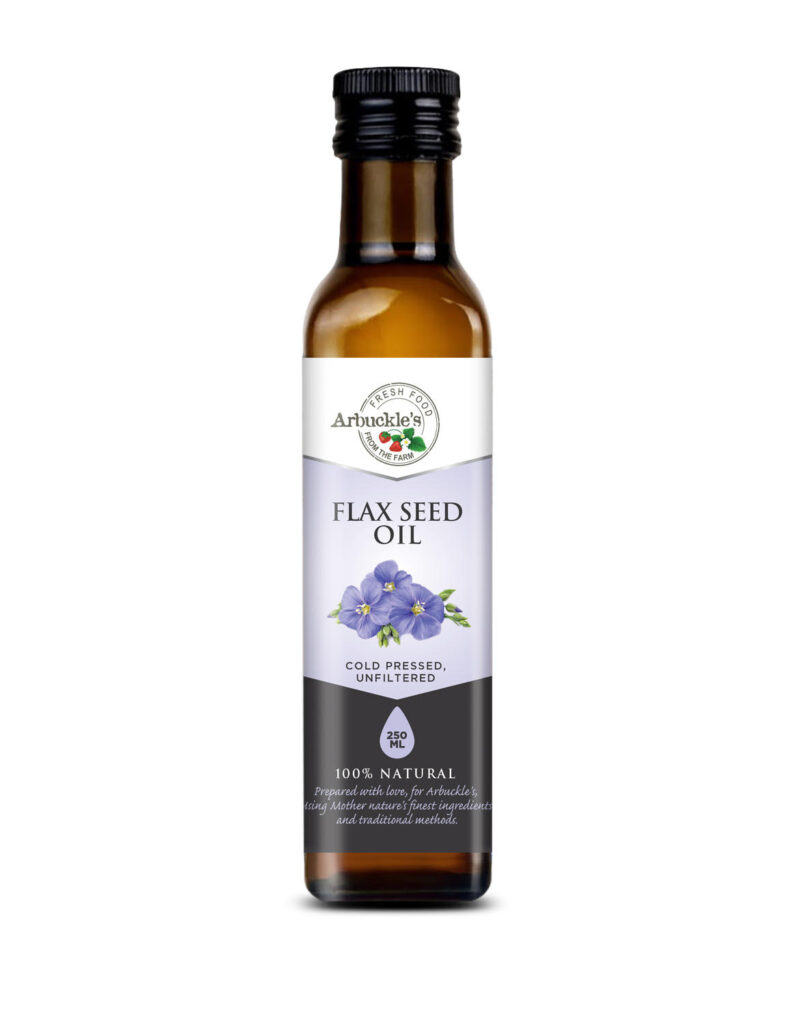
Introduction to Linseed Oil
Linseed oil, also known as flaxseed oil, is a plant-based oil extracted from the seeds of the linseed plant (Linum usitatissimum). This versatile oil has been used for centuries in traditional medicine, cooking, and skincare. In this article, we’ll delve into the world of linseed oil, exploring its benefits, uses, and properties to help you make informed decisions about incorporating it into your lifestyle.
The Linseed Plant: A Brief History
Linseed plants are cultivated in regions with cold climates, with Canada, China, and Russia being among the top producers. The seeds contain a wealth of nutrients, including omega-3 fatty acids, protein, and minerals like thiamine, magnesium, and phosphorus.
The Many Uses of Linseed Oil
Linseed oil has diverse applications across various industries:
- Herbalism and Aromatherapy: Linseed oil is used in herbal remedies and aromatherapy for its anti-inflammatory and antiseptic properties.
- Cosmetics: The oil is employed as a base ingredient in skincare products, haircare treatments, and makeup.
- Culinary Uses: Although the seeds themselves are not consumed, linseed oil can be used to prepare dishes or as a finishing touch for various recipes. However, it’s recommended to consume only the germ part of the seed due to potential digestive issues caused by excessive consumption of seeds or their extracts.
Nutritional Properties and Health Benefits
Linseed oil is rich in omega-3 fatty acids, specifically alpha-linolenic acid (ALA), which contributes to its health benefits. It also contains other essential fatty acids like oleic acid (omega-9) and linoleic acid (omega-6). These fatty acids play a crucial role in maintaining healthy cholesterol levels.
Storage and Shelf Life
Due to the high sensitivity of linseed oil to heat, light, and air, proper storage is vital:
- Keep it away from direct sunlight
- Store it in an airtight container at a consistent temperature between 4°C to 8°C (39°F to 46°F)
- Use within 30 days if the bottle has been opened
Conclusion
Linseed oil offers numerous benefits, from its nutritional properties to its uses in various industries. However, it’s essential to be aware of its limitations, such as being unsuitable for direct consumption and high sensitivity to heat and light.
Frequently Asked Questions (FAQs)
- Q: What is the shelf life of linseed oil?
A: Linseed oil can last up to 2 years when stored properly in an airtight container at a consistent temperature. - Q: Can I use linseed oil as a cooking oil?
A: No, it’s not recommended for direct consumption due to potential digestive issues. However, you can use the oil as a finishing touch or substitute in recipes. - Q: How do I store linseed oil to preserve its quality?
A: Store the oil in an airtight container at a consistent temperature between 4°C to 8°C (39°F to 46°F) away from direct sunlight and heat sources. - Q: Can I use linseed oil for skincare and haircare purposes?
A: Yes, it’s commonly used as a base ingredient in skincare products and haircare treatments due to its anti-inflammatory and moisturizing properties. - Q: What are the potential side effects of consuming excessive linseed oil?
A: Consuming large amounts of linseed oil can lead to digestive issues like bloating or nausea. Always consume in moderation and consult with a healthcare professional if necessary. - Q: Can I use linseed oil as a substitute for other oils in recipes?
A: Linseed oil can be used as a finishing touch or in small quantities due to its strong flavor and high sensitivity to heat. - Q: Is it safe to consume linseed oil without proper processing?
A: Yes, linseed oil can be consumed directly if processed properly, but it’s essential to follow recommended guidelines for extraction and processing to ensure food safety.
Precautions and Contraindications
- Pregnant or breastfeeding women should consult with their healthcare provider before consuming linseed oil due to its high omega-3 content.
- People with allergies or sensitivities to linseed plant extracts should avoid using linseed oil products.
- Linseed oil may interact with certain medications, such as blood thinners. Consult a healthcare professional if you’re taking any prescription medications.
Conclusion
Linseed oil is an incredibly versatile and beneficial substance, offering various uses in industries from herbalism to cosmetics. As with any new supplement or product, it’s essential to be aware of potential risks and side effects while using linseed oil responsibly.
Additional Uses for Linseed Oil
- Lubricant: Linseed oil is used as a lubricant in machinery and equipment due to its excellent viscosity and low smoke point.
- Wood finish: The oil can be used as a natural wood finish, providing a protective barrier against moisture and cracking.
- Painting medium: Linseed oil is often used as a binder in art supplies, such as painting mediums and varnishes.
Conclusion
Linseed oil offers numerous benefits, from its nutritional properties to its uses in various industries. However, it’s essential to be aware of its limitations, such as being unsuitable for direct consumption and high sensitivity to heat and light. With proper storage, handling, and use, linseed oil can become a valuable addition to your lifestyle.


