
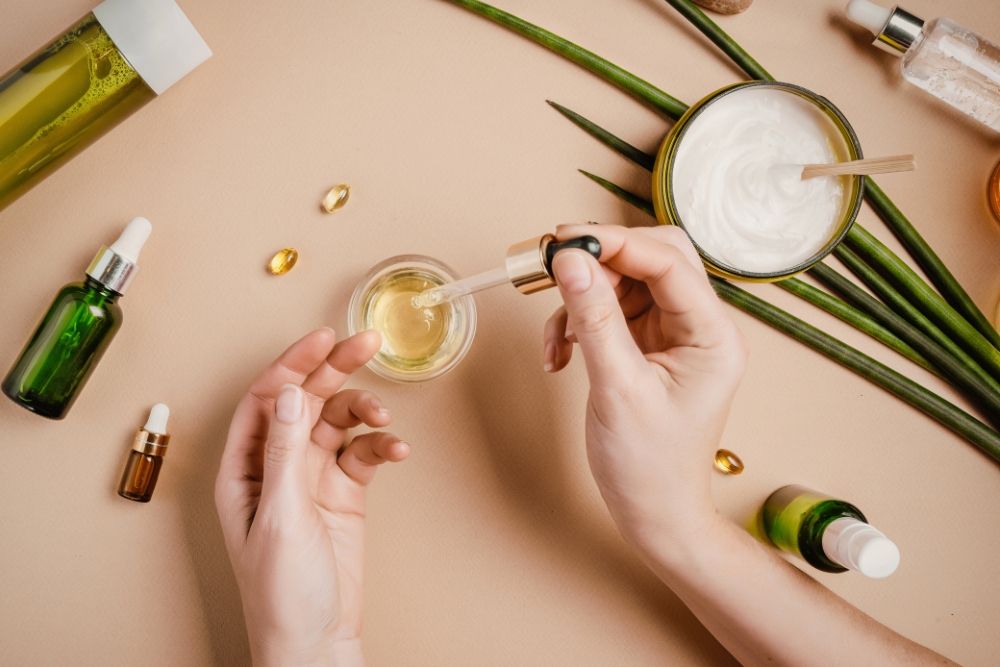
In today’s beauty industry, the demand for natural and organic products is on the rise. One way to achieve this is by making your own cosmetics at home. This article will guide you through the process of creating your own skincare products using natural ingredients and provide tips on how to ensure safety and efficacy.
Understanding Cosmetics
Before we dive into the world of DIY cosmetics, it’s essential to understand what makes a cosmetic effective. The quality, concentration, and synergy of the active ingredients and base substances are crucial in determining the product’s functionality.
For example, moisturizers need to have a balance of humectants (attracting moisture from the air) and emollients (filling gaps between skin cells), while anti-aging products require a combination of antioxidants, peptides, and vitamins. Understanding these relationships is vital to creating effective DIY cosmetics.
The Risks of DIY Cosmetics
While making your own cosmetics can be beneficial for your skin, it also comes with risks if not done properly. Improper use of ingredients or lack of knowledge about skincare can lead to adverse reactions, such as irritation, allergicness, or even infections.
For instance, using untested essential oils can cause allergic contact dermatitis or even anaphylaxis in some individuals. Similarly, combining certain active ingredients may result in unpredictable interactions and side effects.
Meet the Expert: Dr. Moira Bonaldo
Dr. Moira Bonaldo, a renowned biologist and cosmetologist, has written extensively on the topic of functional cosmetics. Her book, “Selfcosmesi funzionale e nutraceutica,” has been a huge success, and her expertise is sought after by many in the industry.
Dr. Bonaldo’s work focuses on understanding how natural ingredients interact with each other to produce specific effects on the skin. She emphasizes the importance of using high-quality, standardized extracts rather than individual botanicals or plant parts.
What You Need to Get Started
To start making your own cosmetics, you’ll need some basic equipment and ingredients. Here are some essentials:
- 2 or more beakers (veteran glass cylinders with a stopper and graduations)
- 2 thermometers
- 2 or more heat sources
- A digital balance
- Natural ingredients and active principles for preparation
Finding the Right Ingredients
When sourcing natural ingredients, consider visiting reputable pharmacies or online stores that specialize in skincare products. You can also find information on the quality and safety of ingredients through Dr. Bonaldo’s eBook.
When selecting ingredients, look for products that have been tested for purity, potency, and stability. Be sure to follow good manufacturing practices (GMPs) to minimize contamination risks.
Cosmetics: The Fun Reality vs. Myth Debunking
While some people think that the price of a cosmetic product directly correlates with its effectiveness, this is not always true. Marketing costs often overshadow the actual quality of the product.
In reality, many commercial cosmetics contain low concentrations of active ingredients or inferior raw materials, which can lead to ineffective results. On the other hand, high-quality, natural ingredients used in DIY cosmetics can provide more potent and stable formulations.
Real-Life Examples: Success Stories from Social Media
There are numerous examples of individuals who have successfully created their own cosmetics and achieved impressive results. Their stories demonstrate that creating your own cosmetics can be a viable option for achieving better skin health.
One such example is the story of Dr. Bonaldo herself, who created her first skincare product using natural ingredients after suffering from eczema as a child. Her journey highlights the potential benefits of DIY cosmetics and encourages others to explore this option.
The Gap in the Market: Why Personalized Cosmetics Matter
Dr. Bonaldo has noticed a significant gap between commercial cosmetics and consumer needs. To address this, she began creating personalized cosmetics tailored to individual skin types.
By understanding the unique characteristics of each person’s skin, Dr. Bonaldo can create customized products that target specific concerns and provide optimal results. This approach emphasizes the importance of tailoring skincare solutions to individual preferences and needs.
What You Can Learn from Dr. Bonaldo’s Experience
As someone who has dedicated their career to understanding skincare, Dr. Bonaldo shares valuable insights into the importance of personalization in cosmetics. Her journey highlights the need for effective communication between manufacturers and consumers.
By sharing her expertise and experiences, Dr. Bonaldo aims to empower individuals to take control of their skin health and make informed decisions about their cosmetic choices.
Why Functional Cosmetics Are Key
Functional cosmetics focus on specific actions like moisturizing, anti-aging, sebum regulation, antioxidant, cellullite reduction or aging prevention. These products ensure that they have a specific functionality that is guaranteed by the quality, concentration, and synergy of their active ingredients and base substances.
By understanding the role of functional cosmetics in skincare, individuals can make more informed decisions about their product choices and develop targeted routines to address specific skin concerns.
Conclusion
Making your own cosmetics can be a rewarding experience for those who want to explore natural skincare options. By understanding the basics of cosmetic formulation, choosing high-quality ingredients, and following safety guidelines, you can create effective products that cater to your individual skin needs.
As the demand for natural and organic products continues to rise, DIY cosmetics offer an exciting alternative for those looking to take control of their skin health. With the right knowledge, skills, and ingredients, individuals can unlock the potential of functional cosmetics and achieve optimal results.
Frequently Asked Questions (FAQs)
- What are the key factors in ensuring the quality of my DIY cosmetics?
- How do I choose the right natural ingredients for my skincare products?
- Can I make cosmetics with just any ingredients, or are there specific requirements?
- How can I guarantee the safety and efficacy of my homemade cosmetics?
- What role does synergy play in determining the functionality of a cosmetic product?
- Can you provide more information on how to create personalized cosmetics tailored to individual skin types?
- Are functional cosmetics limited to specific actions, or can they have multiple benefits?
- How can I ensure that my DIY cosmetics comply with safety regulations and industry standards?


