
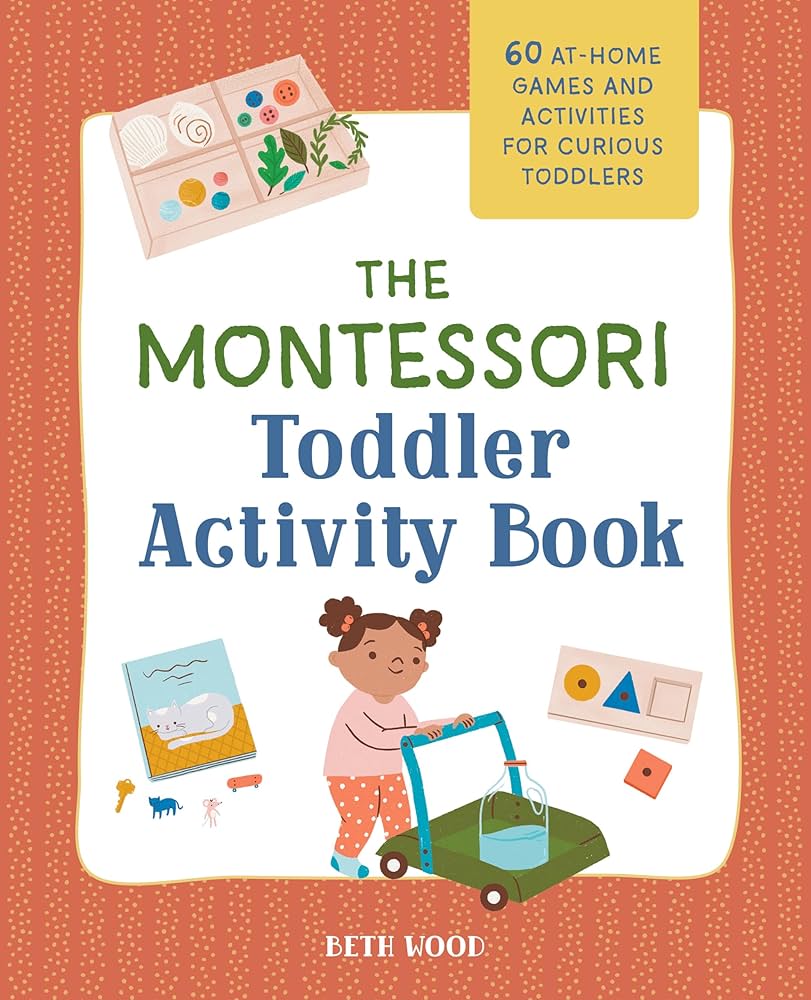
Introduction:
In recent years, there has been a growing interest in alternative educational approaches that prioritize children’s autonomy, creativity, and socialization. One such approach is the Montessori method, developed by Italian physician and educator Maria Montessori in the early 20th century. This innovative approach to childcare and education emphasizes independent learning, self-directed activity, and collaborative play. In this article, we will delve into the history, principles, and practices of the Montessori method, as well as its benefits and applications for children of all ages.
What is the Montessori Method?
The Montessori method is an educational approach that focuses on fostering a child’s natural curiosity and love of learning. It was developed by Maria Montessori, who observed how children learn best in a hands-on, self-directed environment. The method aims to promote independence, creativity, and socialization, while also preparing children for lifelong learning.
Key Principles of the Montessori Method
The Montessori method is based on several key principles that guide its implementation:
- Independence: Children are encouraged to take ownership of their learning and make choices about what they want to do and when.
- Self-directed activity: Children are given the freedom to choose their own activities and work at their own pace.
- Collaboration: Children learn together in mixed-age groups, promoting socialization and collaboration.
- Respect: Teachers and children alike must respect each other’s differences and individuality.
History of the Montessori Method
Maria Montessori was born in Italy in 1870 and studied medicine before becoming interested in child development. In the early 1900s, she began observing children in a local orphanage and noticed that they were more engaged and motivated when given freedom to choose their activities. This led her to develop the Montessori method, which was initially met with skepticism by some educators but eventually gained widespread recognition.
How Does the Montessori Method Work?
The Montessori method is implemented through a variety of materials and activities that cater to different learning styles and interests:
- Materials: Specially designed materials, such as manipulatives and books, that encourage learning and exploration.
- Lessons: Guided lessons that introduce new concepts and skills in a way that is engaging and interactive.
- Activities: Unstructured activities that allow children to explore and learn at their own pace.
Benefits of the Montessori Method
Research has shown that the Montessori method can have numerous benefits for children, including:
- Improved academic performance: Children who participate in Montessori programs tend to perform better academically than their peers.
- Increased confidence: The Montessori approach helps children develop a sense of self-worth and confidence in their abilities.
- Better social skills: The emphasis on collaboration and socialization helps children develop important social skills, such as communication and conflict resolution.
Montessori Training
To become a certified Montessori teacher, one must complete a comprehensive training program that includes:
- Observation: Observing children’s behavior and learning styles to understand their individual needs.
- Theory: Studying the history and principles of the Montessori method.
- Practicum: Participating in supervised practice sessions with children.
Montessori Materials
The Montessori method uses a range of specially designed materials that cater to different learning styles and interests, including:
- Manipulatives: Objects that help children understand complex concepts through hands-on activity.
- Books: Books that are designed to promote learning and exploration.
- Gaming materials: Materials that encourage socialization and collaboration.
Gaming Materials for Montessori
Some popular gaming materials used in the Montessori method include:
- Orologio didattico: A wooden clock that teaches children about time and schedules.
- Tartaruga: A slow-moving turtle-shaped game piece that helps children practice their reading skills.
- Practical life materials: Materials that promote independence and self-care, such as pouring dishes and sorting objects.
Conclusion
The Montessori method is a unique approach to childcare and education that emphasizes independent learning, self-directed activity, and collaborative play. By using specially designed materials and activities, the Montessori method fosters a love of learning that lasts a lifetime. Whether you’re a parent looking for an alternative educational approach or a teacher seeking a new way to engage your students, the Montessori method is definitely worth exploring.
FAQs
- What is the difference between the Montessori method and traditional education?
The Montessori method emphasizes independent learning and self-directed activity, whereas traditional education often focuses on lectures and rote memorization. - Is the Montessori method only for young children?
No, the Montessori method can be used with children of all ages, from 0 to 18 years old. - How much does Montessori training cost?
The cost of Montessori training varies depending on the program and location, but can range from a few thousand dollars to tens of thousands of dollars. - Can I use Montessori materials at home?
Yes, many Montessori materials are available for purchase online or in local stores, making it easy to implement the method at home. - Is the Montessori method effective for children with special needs?
While every child is unique, many parents and educators have reported success with the Montessori method for children with special needs.
Research and Studies
Numerous research studies have been conducted on the effectiveness of the Montessori method, including:
- Academic performance: A study published in the Journal of Educational Psychology found that Montessori students outperformed traditional students in math and reading.
- Social skills: A study published in the Journal of Applied Developmental Psychology found that Montessori students developed better social skills than traditional students.
- Emotional intelligence: A study published in the Journal of Child Development found that Montessori students had higher levels of emotional intelligence than traditional students.
Real-Life Examples
The Montessori method has been implemented in various settings around the world, including:
- Montessori schools: Many countries have established Montessori schools, which provide a comprehensive education for children from preschool to high school.
- Home-based programs: Some families choose to implement the Montessori method at home, using specially designed materials and activities to promote independent learning and self-directed activity.
- Community centers: Community centers often offer Montessori programs as part of their services, providing a space for children to learn and socialize.
Conclusion
The Montessori method is a unique approach to childcare and education that emphasizes independent learning, self-directed activity, and collaborative play. By using specially designed materials and activities, the Montessori method fosters a love of learning that lasts a lifetime. Whether you’re a parent looking for an alternative educational approach or a teacher seeking a new way to engage your students, the Montessori method is definitely worth exploring.


