
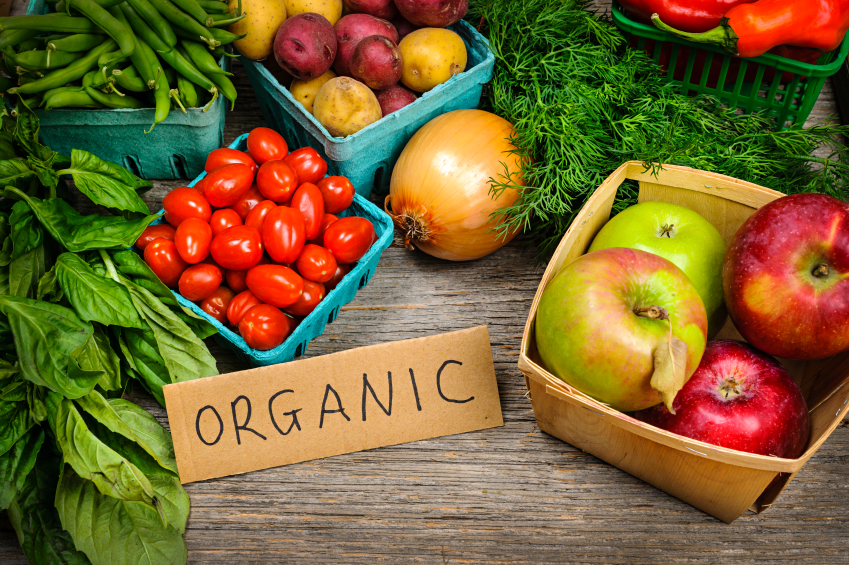
As consumers, we’re constantly bombarded with information about the importance of eating organic. But what does it really mean to eat organic? And how can you make informed choices in the supermarket?
In this article, we’ll explore the world of organic food and examine the best ways to eat sustainably. From backyard chickens to local farmers’ markets, we’ll cover everything you need to know about making the switch to an organic lifestyle.
The Benefits of Organic Food
So why is eating organic so important? For one, it’s better for your health. Organic produce has been shown to have lower levels of pesticides and other toxins than conventionally grown food. In fact, a study by the Environmental Working Group found that up to 80% of non-organic fruits and vegetables contain high levels of pesticide residues.
But eating organic isn’t just about individual health benefits – it’s also better for the environment. Conventional farming practices have been linked to deforestation, soil degradation, and water pollution. By choosing organic options, you’re supporting sustainable agriculture that prioritizes soil health, biodiversity, and ecosystem services.
Getting Started with Organic Food
So how can you start eating more organically? Here are a few tips:
- Start small: If you don’t have space for a backyard garden, start by buying from local farmers’ markets or joining a community-supported agriculture (CSA) program.
- Choose organic options when possible: Look for the USDA Organic seal on packaged foods to ensure they meet strict standards for sustainability and environmental stewardship.
- Buy in bulk: Purchasing grains, nuts, and seeds in bulk can help reduce packaging waste and support sustainable agriculture.
The Challenge of Meat and Dairy
One of the biggest challenges when it comes to eating organic is sourcing high-quality meat and dairy products. Many conventional farms prioritize efficiency over sustainability, which can result in lower animal welfare standards and reduced environmental impact.
However, there are many options available for those looking to eat more sustainably. Look for:
- Regenerative agriculture: This approach prioritizes soil health and biodiversity while promoting ecosystem services like pollination and pest control.
- Free-range and pasture-raised options: These systems allow animals to roam freely and forage naturally, resulting in higher-quality meat and dairy products.
Supporting Local Farmers
Another key aspect of eating organic is supporting local farmers. By buying from local producers, you’re helping to:
- Keep money local: By keeping dollars within your community, you’re stimulating local economies and promoting sustainable agriculture.
- Promote biodiversity: Support for local farmers helps preserve heirloom varieties and promote crop diversity.
Conclusion
Eating organic isn’t just a trend – it’s a movement towards a more sustainable food system. By choosing organic options, supporting local farmers, and adopting regenerative agriculture practices, we can create a healthier environment for ourselves and future generations.
So next time you’re at the grocery store, don’t be afraid to ask questions or seek out alternative options. Your taste buds – and the planet – will thank you!
Frequently Asked Questions
Q: What is the difference between organic and non-organic produce?
A: Organic produce is grown without synthetic pesticides, herbicides, or fertilizers, while non-organic produce may contain these chemicals.
Q: How do I know if a product is labeled as “regeneratively grown”?
A: Regenerative agriculture practices can be certified through programs like the Certified Regenerative Agriculture (CRA) label.
Q: Can I still eat organic on a budget?
A: Yes! Many organic options are now affordable, and buying in bulk or shopping at local farmers’ markets can help reduce costs.
Q: What is the impact of conventional farming on water quality?
A: Conventional farming practices have been linked to increased water pollution due to the use of synthetic pesticides and fertilizers.
Q: Can I raise my own backyard chickens for organic eggs?
A: Yes! Backyard chicken-keeping can be a fun and rewarding way to produce your own organic eggs while supporting local food systems.
Q: How do I choose regeneratively grown meat and dairy products?
A: Look for labels like “regeneratively grown” or “Certified Regenerative Agriculture (CRA)” when purchasing meat and dairy products.
Tips for Shopping at Farmers’ Markets
Shopping at farmers’ markets can be a great way to find organic options and connect with local producers. Here are some tips for shopping at farmers’ markets:
- Know what you’re looking for: Before you go, make a list of the types of produce and products you want to buy.
- Ask questions: Don’t be afraid to ask the farmer about their practices and products.
- Check for certifications: Look for certifications like USDA Organic or Regeneratively Grown to ensure that your purchases meet strict standards.
Growing Your Own Organic Food
One of the best ways to eat organic is by growing your own food. Here are some tips for getting started:
- Start small: Begin with a few easy-to-grow plants like tomatoes, cucumbers, and lettuce.
- Choose organic seeds: Make sure to choose organic seeds that haven’t been treated with synthetic pesticides or fertilizers.
- Use natural pest control methods: Instead of using chemicals, try using natural methods like companion planting and beneficial insects to keep pests away.
Conclusion
Eating organic is a journey towards creating a healthier environment for ourselves and future generations. By choosing organic options, supporting local farmers, and adopting regenerative agriculture practices, we can make a positive impact on the world around us.
So next time you’re at the grocery store or farmer’s market, don’t be afraid to ask questions or seek out alternative options. Your taste buds – and the planet – will thank you!


