
As a gardener with a large plot of land, you may consider dividing your garden into four sections. One section can be dedicated to raising chickens and hens. These birds are ideal for living with your organic garden. When deciding where to set up the chicken coop, take into account the available space and the number of chickens you want to raise.
Integrating Chickens into Your Garden
Raising animals requires time and dedication, but it also benefits your garden in many ways. The presence of chickens can improve egg production and enhance crop yields over time. Chickens are more likely to thrive on a diet of natural grasses and weeds rather than commercial feed. This leads to better overall health and productivity.
Benefits of Chicken Manure for Your Garden
Chicken manure is a valuable fertilizer that your garden will appreciate. Free-ranging chickens can consume various plants, including weeds and unwanted growths. They also contribute to soil enrichment by depositing nutrient-rich droppings. These benefits far outweigh the drawbacks, making chicken-keeping an attractive option.
Setting Up a Mobile Chicken Coop
To integrate chickens into your garden effectively, consider setting up a mobile chicken coop. This allows you to follow the principles of succession and seasonal planting, which can lead to improved crop yields. By moving the coop to areas in need of renovation or re-growth, your chickens will help clear unwanted plants while adding organic matter.
Alternative Options: Enclosed Coops
If a mobile coop is not feasible for you, consider setting up an enclosed chicken coop within your garden. This can be placed in the shade of fruit trees or orchards to provide shelter from harsh weather conditions. However, keep in mind that enclosed coops can limit crop growth and may require additional management.
Free-Range Chickens
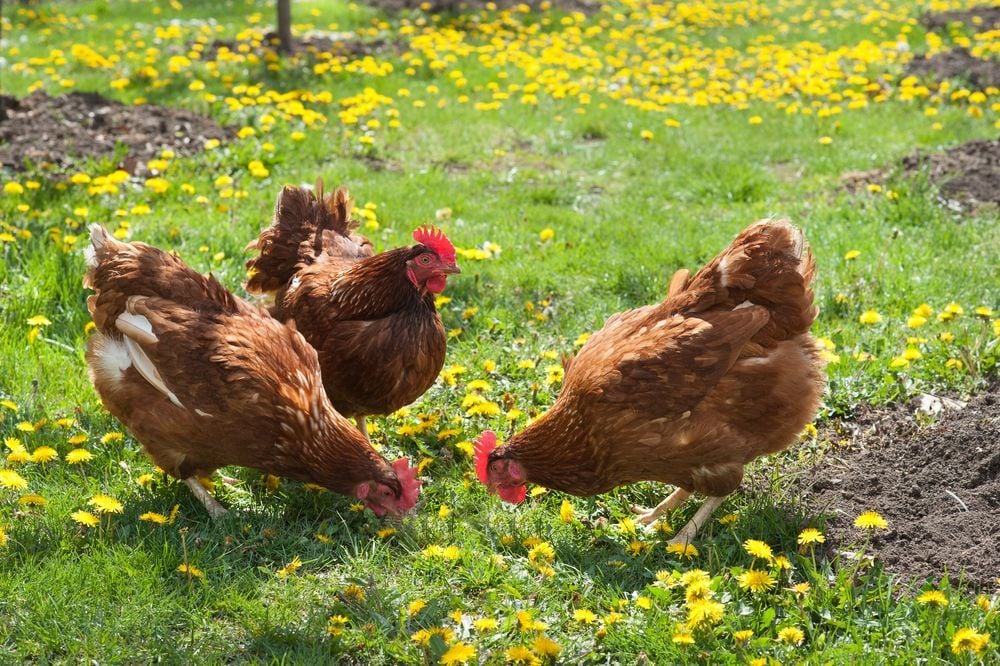
When it’s warm outside, chickens are free to roam and graze on natural grasses and weeds they love. Some favorite options include tarassaco, gallinsoga, piantaggine, trifoglio, and portulaca plants. To produce eggs for a family of four, you’ll need six hens. Among these breeds, the Livornese hen is known for its remarkable egg-laying abilities.
Chicken Breeds
Livornese hens are particularly notable for their high productivity levels, with some laying up to 300 eggs per year. With six chickens producing eggs, it’s recommended to have one rooster in place. The rooster provides protection and can also be used to breed new chicks, should you wish to expand your flock.
Key Considerations
- Space and coop size must accommodate the number of chickens
- Nutritional intake and quality are essential for optimal health
- Chickens are beneficial companions and pollinators
In addition to these considerations, here are some additional tips to keep in mind when raising chickens:
- Predator protection: Take measures to protect your chickens from predators such as foxes, coyotes, and raccoons. This can include using fencing, covering the coop at night, and keeping a watchful eye on your birds.
- Health monitoring: Regularly check your chickens for signs of illness or injury. Keep a record of their health history to identify any patterns or trends.
- Cleaning and maintenance: Clean out the coop regularly to prevent disease and keep the environment healthy for your chickens.
- Feeding and nutrition: Provide a balanced diet for your chickens, including grains, fruits, and vegetables.
Benefits of Chickens in Your Garden
Raising chickens can have numerous benefits for your garden. Here are some of the advantages:
- Improved soil health: Chicken manure is rich in nutrients that can help improve soil fertility and structure.
- Increased crop yields: By using chicken manure as fertilizer, you can expect to see an increase in crop yields over time.
- Pest control: Chickens are natural predators of pests such as slugs, snails, and insects, which can damage crops.
- Pollination: Some breeds of chickens are known to help pollinate plants, particularly those with flowers that produce nectar.
Challenges and Limitations
While raising chickens can be beneficial for your garden, there are also some challenges and limitations to consider:
- Space requirements: Chickens require space to roam and exercise, so you’ll need a significant area of your garden dedicated to their needs.
- Noise and mess: Chickens can be noisy and messy, which may not be suitable for all gardens or neighborhoods.
- Predator risks: Chickens are vulnerable to predators such as foxes, coyotes, and raccoons, which can threaten their safety.
- Regulations and zoning: Check with your local authorities to ensure that keeping chickens is allowed in your area.
In conclusion, incorporating chickens into your organic garden can have numerous benefits for both you and your plants. By understanding the needs of your birds, choosing the right breed, and taking steps to protect them from predators, you can create a thriving ecosystem that enhances your gardening experience.
FAQs
- Q: What type of chicken breed should I choose?
- A: Livornese hens are highly recommended for their exceptional egg-laying abilities.
- Q: How many chickens do I need for a family of four?
- A: Six chickens, with one rooster to provide protection and breeding opportunities.
- Q: What plants should my chickens eat naturally?
- A: Tarassaco, gallinsoga, piantaggine, trifoglio, and portulaca are preferred options for free-ranging chickens.
- Q: Can chickens be kept in an enclosed coop within the garden?
- A: Yes, but it’s essential to consider limitations on crop growth and additional management requirements.
- Q: How do I care for my chicken coop and ensure a healthy environment for my birds?
- A: Regular cleaning, adequate ventilation, and sufficient space are crucial factors in maintaining a thriving chicken coop ecosystem.


