
As we continue to advance in our pursuit of a healthier lifestyle, the demand for organic and biologically produced foods has become increasingly popular. With the growing awareness of the negative impact of synthetic substances on our environment and health, it’s no wonder that consumers are now more interested than ever in choosing products that align with their values.
At its inception, agriculture was indeed considered “biological,” but over the past century, chemical synthesis has significantly altered the landscape. Now, more than ever, we need to understand the origins of the products we consume in our daily lives. Cooking with biologically produced ingredients is a whole new world, and I’m excited to share with you my recipe for an unforgettable Tortino di Riso con Crema di Funghi.
What are Biological Products?
Biological products refer to food items that have been grown or produced without the use of synthetic pesticides, herbicides, or fertilizers. This approach not only preserves the natural environment but also ensures that consumers can enjoy healthier, more nutritious meals.
For instance, biological rice is cultivated using traditional methods and has a lower risk of contamination with chemical residues compared to conventional rice. Similarly, biologically produced eggs come from hens raised in free-range environments without antibiotics or growth hormones. By choosing these ingredients, we’re not only nourishing our bodies but also supporting sustainable agriculture practices.
A Brief History of Agriculture and Synthetics
In the early days of agriculture, farmers relied on natural methods to cultivate crops. They used crop rotation, composting, and other traditional techniques to maintain soil health and control pests. However, with the advent of synthetic substances like pesticides and herbicides, the industry underwent a significant transformation.
Chemicals became widely used to boost crop yields and control pests, leading to a more efficient but also more contaminated food supply. This shift was driven by factors like increased demand for food, urbanization, and economic pressures on farmers.
Despite the benefits of synthetic substances in terms of yield and efficiency, their use has had devastating consequences for the environment and human health. Exposure to pesticides and other chemicals has been linked to various health problems, including cancer, neurological disorders, and reproductive issues.
The Importance of Knowing Your Ingredients
With the proliferation of biological products, it’s now crucial to understand where our food comes from. By choosing ingredients that are certified organic or biologically produced, we can ensure that our meals not only taste great but also contribute to a healthier planet.
It’s no longer enough to simply read labels; we need to know the story behind each ingredient and make informed choices about what we put into our bodies. This involves being mindful of the environmental impact of our food choices and supporting sustainable agriculture practices whenever possible.
Tortino di Riso con Crema di Funghi: A Recipe for the Ages
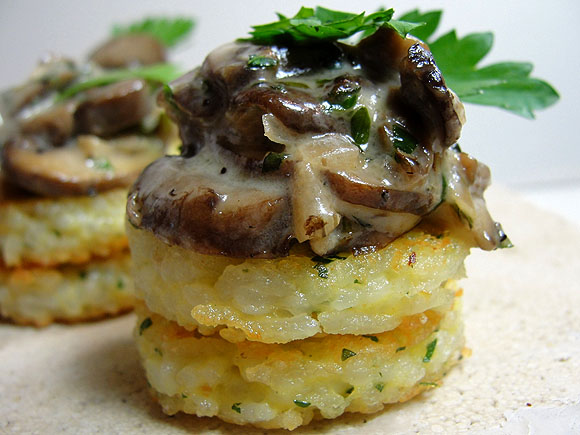
Now that we’ve covered the basics, let’s dive into my recipe for Tortino di Riso con Crema di Funghi. This Italian classic is elevated by the use of biologically produced ingredients, making it a perfect example of how cooking with nature can result in something truly special.
Ingredients:
- 800g of biological champignon mushrooms
- 80g of biological rice
- 6 biological eggs
- 1 cup of biological besciamella sauce
- 4 tablespoons of parmesan cheese
- A sprinkle of fresh prezzemolo
- 1 clove of garlic, minced
- Olio extravergine di oliva bio
- Salt and pepper to taste
- 500g of ricotta cheese
- 5 biological noci (walnuts)
Materiale Occorrente:
- Aluminum biscuit molds with a diameter of 6cm
Preparation:
- In a pan with olive oil, sauté the garlic for one minute before adding the mushrooms and prezzemolo.
- Set aside half of the cooked mushrooms in a terrine and leave the rest to simmer in the pan.
- Boil the rice in a pot with salted water until it reaches the perfect doneness. Drain and set aside.
- In a separate pan, combine the remaining mushrooms, rice, and garlic. Stir-fry for one minute before adding the eggs, besciamella sauce, parmesan cheese, salt, and pepper. Mix well to create a smooth batter.
- Pour the mixture into prepared aluminum molds, topping each with additional parmesan cheese.
- Bake in the oven at 180°C for approximately 20 minutes or until golden brown.
Meanwhile, Prepare the Crema di Funghi:
- In a food processor, blend the cooked mushrooms, ricotta cheese, and walnuts until smooth.
- Set aside to rest for 10 minutes before serving with the Tortino di Riso con Crema di Funghi.
Tips and Variations:
- To add some extra flavor to your tortine, try adding a sprinkle of dried herbs like thyme or rosemary on top of each mold before baking.
- For an added crunch, sprinkle some toasted breadcrumbs or pine nuts on top of the parmesan cheese.
- Consider using different types of biological mushrooms, such as porcini or oyster mushrooms, to change up the flavor profile.
Conclusion:
Cooking with biological products has never been more exciting! By incorporating ingredients like organic rice, biologically produced eggs, and natural besciamella sauce into your recipes, you’ll not only be nourishing your body but also contributing to a healthier planet.
As we continue to advance in our pursuit of a healthier lifestyle, it’s essential to understand the origins of the products we consume in our daily lives. By choosing ingredients that are certified organic or biologically produced, we can ensure that our meals not only taste great but also contribute to a healthier environment.
Here are some frequently asked questions about cooking with biologically produced foods:
FAQs:
- Q: What is the difference between biological and organic products?
A:** Biological products refer specifically to food items grown without synthetic pesticides, herbicides, or fertilizers, while organic products may also include additional requirements like soil quality and pest management. - Q: How can I ensure that my ingredients are biologically produced?
A:** Look for labels or certifications like “biological” or “organic,” which indicate compliance with specific standards. - Q: Are biological foods healthier than non-biological options?
A:** Yes, since biologically produced foods tend to be higher in nutrients and antioxidants while lower in synthetic chemicals. - Q: Can I substitute biologically produced ingredients with conventional ones in my recipes?
A:** While possible, it’s recommended to prioritize biologically produced ingredients whenever feasible to reap the full benefits of their nutritional value.
Join me on this journey into the world of biological cuisine, where flavors and nutrients come together in perfect harmony. With every bite, we’re not only nourishing our bodies but also contributing to a healthier planet – one delicious meal at a time!


