
As more individuals and businesses invest in solar energy, understanding how to sell excess energy back to the grid or use it directly is becoming increasingly important. In this article, we’ll explore the differences between grid connection and net metering, two popular options for solar energy sellers.
What is Grid Connection?
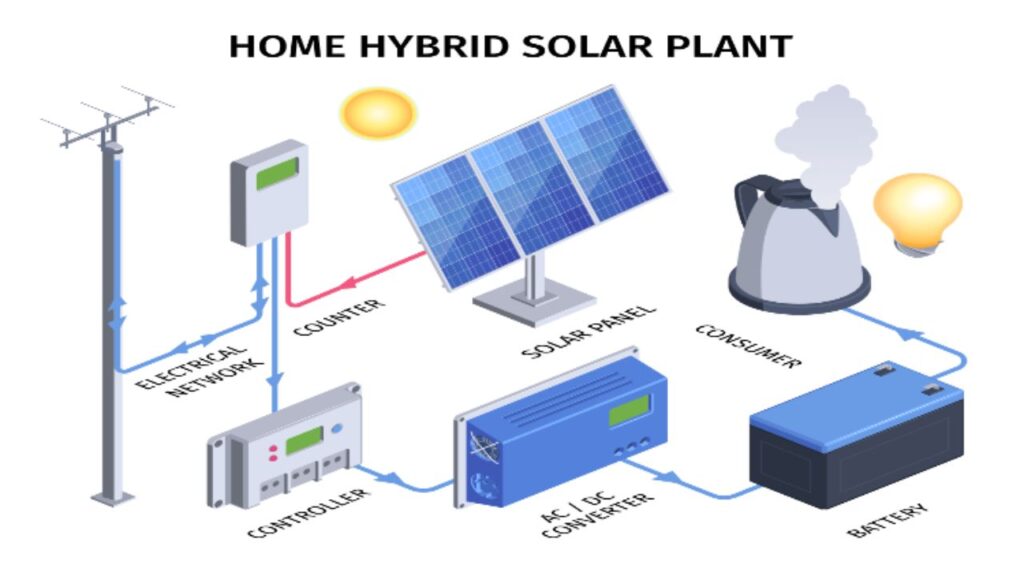
Grid connection allows homeowners and businesses to connect their solar panels to the existing electrical grid. This means that when the solar panels produce more electricity than is needed on-site, the excess energy can be fed back into the grid, where it can power other homes or businesses.
How Does Grid Connection Work?
There are several benefits to using grid connection:
- You can consume some of the energy produced by your solar panels for free.
- The excess energy can be sold back to the grid and offset against future electricity bills.
- You can take advantage of incentives and rebates offered by your local utility company.
However, there are also some potential drawbacks to consider:
- If you consume all the energy produced by your solar panels, you may not have enough stored on-site to cover your energy needs during periods of low sunlight or high demand.
- Your electricity bills may increase if you rely too heavily on grid power.
- You may be subject to net metering policies, which can limit your ability to sell excess energy back to the grid.
What is Net Metering?
Net metering is a policy that allows solar energy sellers to offset their electricity bills against the amount of energy they produce. This means that if you produce more energy than you consume, the excess energy can be sold back to the grid and credited against your future electricity bills.
How Does Net Metering Work?
There are several types of net metering policies in place:
- Net metering with a credit: Your solar panels produce excess energy, which is stored on-site. If you consume more energy than you produce, you may receive a credit for the difference.
- Net metering without a credit: Your solar panels produce excess energy, which is sold back to the grid and credited against your future electricity bills.
Key Differences Between Grid Connection and Net Metering
Here are some key differences between grid connection and net metering:
| Grid Connection | Net Metering | |
|---|---|---|
| Excess Energy Storage | Must be stored on-site or fed back into the grid. | Excess energy is sold back to the grid and credited against future electricity bills. |
| Energy Consumption | Can consume some of the energy produced by solar panels for free. | May not be able to consume all the energy produced by solar panels if it exceeds their energy needs. |
| Incentives and Rebates | May receive incentives and rebates from local utility companies. | May not be eligible for these incentives and rebates. |
By understanding the differences between grid connection and net metering, you can make an informed decision about which option is best for your solar energy needs.
Frequently Asked Questions
Here are some frequently asked questions about grid connection and net metering:
Q: Can I sell my excess energy back to the grid if I have a grid connection?
A: Yes, but only during peak hours. If you consume all the energy produced by your solar panels, you may not be able to sell any excess energy.
Q: How much money can I save by using net metering?
A: The amount of money you can save depends on your energy usage and production levels. In general, net metering policies offer significant savings for those who produce a large amount of electricity.
Q: Can I use grid connection if I live in an area with low solar irradiance?
A: Yes, but the benefits may be limited due to lower energy production levels.
Q: How do I apply for net metering?
A: Contact your local utility company or government agency to learn more about the specific requirements and procedures for applying for net metering.
Q: Can I sell my excess energy back to the grid if I have a small solar panel system?
A: In some cases, yes. However, it’s best to check with your local utility company or government agency to see if this is an option in your area.
Q: How long does it take for net metering policies to be implemented in new areas?
A: The timeline varies depending on the location and regulatory environment. Be prepared for ongoing changes and updates as these policies evolve.
Q: Can I use grid connection or net metering if I have a community solar program?
A: Yes, but you may need to follow additional requirements and procedures. Contact your local utility company or government agency for more information.
Q: How do I ensure that my grid connection or net metering installation is compliant with local regulations?
A: Consult with a qualified professional who can assess your site conditions and provide guidance on compliance issues.
Q: Can I sell my excess energy back to the grid if I have a grid connection during periods of low demand?
A: No, you will not be able to sell any excess energy during this time period.
Q: Can I use net metering if I live in an area with high electricity rates?
A: Yes, but you may be more likely to save money by using net metering if you have a solar panel system that produces a large amount of electricity.
By asking the right questions and understanding the differences between grid connection and net metering, you can make an informed decision about which option is best for your solar energy needs.


