
As we delve into the world of culinary delights, few spices have captured our imagination quite like saffron. This precious bulb-tuberous plant has been prized for its vibrant yellow-orange hue and potent flavor for centuries, with its rich history and cultural significance woven deeply into our collective consciousness. However, recent discoveries in the realm of biotechnology have shed new light on the fascinating story behind this golden treasure.
Unraveling the Mystery of Saffron’s Color
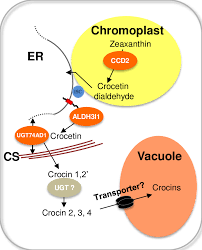
At the heart of saffron’s enchanting allure lies a complex biochemical pathway that yields two crucial compounds: crocina and crocetina. These molecules, derived from carotenoid pigments, are responsible for the distinctive color and aroma of saffron. But what drives this remarkable transformation? Recent Italian research has pinpointed a key player in this process: the Carotenoid Cleavage Dioxygenase 2 (CCD2) gene.
The CCD2 Gene: A Biotecnological Breakthrough
Located in plants, including saffron, the CCD2 gene plays a pivotal role in regulating the biosynthesis of crocina and crocetina. By harnessing this knowledge, scientists can now engineer microorganisms to produce these potent molecules, effectively bypassing the need for traditional saffron cultivation.
The Future of Saffron: Synthetic vs. Natural
While some researchers propose that a synthetic version of saffron could become a reality in the future, many experts argue that this would compromise the inherent qualities and values associated with natural products like saffron. The real value lies not only in its flavor and color but also in its role as a cultural icon and symbol of tradition.
The Importance of Understanding Saffron’s Biosynthesis
This breakthrough has far-reaching implications for our understanding of plant biology, particularly in the realm of biochemistry. By unraveling the intricacies of saffron’s biosynthesis, scientists have gained valuable insights into the mechanisms governing natural compound production, opening doors to novel applications and potential innovations.
The Challenges of Cultivating Saffron
Gone are the days when we could take for granted the ease with which saffron can be cultivated. With over 150,000 flowers required to produce just one kilogram of dried saffron, this labor-intensive process demands a significant amount of time and resources.
Saffron’s Global Significance
Today, the top producers of saffron globally are Persia, India, Spain, and Greece. In Italy, however, cultivation is relatively rare, with Abruzzo and Sardinia being the main regions where it is grown.
A Look to the Past: The Historical Significance of Saffron
In ancient times, saffron was prized for its medicinal properties, earning a revered place in traditional medicine. Its value extended far beyond culinary purposes, as it played an integral role in various cultural and symbolic contexts.
Conclusion
As we navigate the complex landscape of biotechnology and natural products, the story of saffron serves as a poignant reminder of the power of scientific discovery to transform our understanding of the world around us. Whether through synthetic production or traditional cultivation, this golden treasure will forever hold a special place in our hearts.
Frequently Asked Questions
- What is the CCD2 gene, and how does it relate to saffron?
The CCD2 gene plays a crucial role in regulating the biosynthesis of crocina and crocetina, two key compounds responsible for saffron’s distinctive color and aroma.
- Can we produce synthetic saffron using biotechnology?
While some researchers suggest that a synthetic version of saffron could become a reality in the future, many experts argue that natural products like saffron retain an inherent value and uniqueness.
- How is saffron typically cultivated, and what are the challenges associated with this process?
Saffron cultivation demands significant resources, including over 150,000 flowers required to produce just one kilogram of dried saffron.
- Which countries are major producers of saffron, and where is it primarily grown in Italy?
Today, the top producers of saffron globally are Persia, India, Spain, and Greece, with Italy accounting for relatively small cultivation areas in Abruzzo and Sardinia.
- What is the historical significance of saffron in traditional medicine and cultural contexts?
In ancient times, saffron was prized for its medicinal properties, playing an integral role in various cultural and symbolic contexts that continue to shape our perception of this precious spice today.
- How has the discovery of the CCD2 gene impacted our understanding of plant biology and natural compound production?
The breakthrough has far-reaching implications for our understanding of plant biology, particularly in the realm of biochemistry, opening doors to novel applications and potential innovations.
Unraveling the Chemistry of Saffron
To fully grasp the intricacies of saffron’s biosynthesis, it is essential to delve into the chemistry behind its formation. The process begins with carotenoid pigments, specifically crocin and lutein, which are absorbed by the plant through photosynthesis.
Crocetin: A Key Player in Saffron’s Color
At the heart of saffron’s vibrant color lies a complex biochemical pathway involving crocetin. This xanthophyll pigment plays a pivotal role in regulating the production of crocin, its golden hue responsible for the distinctive flavor and aroma of saffron.
The Role of Flavonoids
Another essential component contributing to saffron’s characteristic color is flavonoid pigments. These compounds, derived from plants such as quercetin and kaempferol, have been shown to exhibit antioxidant properties, making them highly sought after in various industries.
Biotecnological Innovations: The Future of Saffron Production
As biotechnology continues to advance, we can expect novel innovations to emerge, revolutionizing the way saffron is produced and consumed. Whether through microorganisms engineered to produce crocina and crocetina or innovative agricultural practices, the future holds vast potential for this golden treasure.
A Closer Look at the Science: Understanding Plant-Bacterial Interactions
Recent studies have highlighted the significance of plant-bacterial interactions in regulating saffron’s biosynthesis. By examining the complex relationships between plants and microorganisms, scientists can now better understand how to cultivate these precious spices more efficiently.
From Farm to Table: The Process of Harvesting Saffron
Saffron cultivation requires meticulous care, from planting and cultivating flowers to harvesting the precious threads. This labor-intensive process demands precision, patience, and dedication, making saffron one of the most sought-after spices in the world.
The Economic Impact of Biotechnology on Saffron Production
Biotechnological innovations have significant implications for the economic viability of saffron production. As synthetic production becomes more viable, traditional cultivation methods may need to adapt to remain competitive.
Conclusion: Unlocking the Secrets of Saffron
In conclusion, the story of saffron serves as a testament to the power of scientific discovery and innovation. By unlocking the secrets behind this golden treasure, we can now better understand its complex biology and appreciate its unique cultural significance.
Future Directions for Research
As biotechnology continues to evolve, researchers will likely focus on further exploring the intricacies of saffron’s biosynthesis. This includes investigating novel applications for crocina and crocetina, as well as developing more efficient methods for cultivating this precious spice.
The Importance of Saffron in Modern Cuisine
Saffron remains a staple ingredient in various cuisines worldwide, from traditional Middle Eastern dishes to innovative modern recipes. Its unique flavor and aroma continue to captivate chefs and food enthusiasts alike, solidifying its place as one of the world’s most sought-after spices.
Unlocking the Secrets of Saffron: A New Era for Biotecnological Innovation
As we embark on this new era of biotechnological innovation, it is essential to acknowledge the complex history and cultural significance associated with saffron. By embracing both traditional and synthetic production methods, we can now unlock the secrets behind this golden treasure, ensuring its continued relevance in modern cuisine.
Conclusion: Unlocking the Secrets of Saffron
In conclusion, the story of saffron serves as a poignant reminder of the power of scientific discovery to transform our understanding of the world around us. Whether through synthetic production or traditional cultivation, this golden treasure will forever hold a special place in our hearts.
Unlocking the Secrets of Saffron: A New Era for Biotecnological Innovation
As we look to the future, it is clear that biotechnology will play an increasingly significant role in shaping the way saffron is produced and consumed. By embracing both traditional and synthetic production methods, we can now unlock the secrets behind this golden treasure, ensuring its continued relevance in modern cuisine.
Frequently Asked Questions: The Science Behind Saffron
- What is the CCD2 gene, and how does it relate to saffron?
The CCD2 gene plays a crucial role in regulating the biosynthesis of crocina and crocetina, two key compounds responsible for saffron’s distinctive color and aroma.
- Can we produce synthetic saffron using biotechnology?
While some researchers suggest that a synthetic version of saffron could become a reality in the future, many experts argue that natural products like saffron retain an inherent value and uniqueness.
- How is saffron typically cultivated, and what are the challenges associated with this process?
Saffron cultivation demands significant resources, including over 150,000 flowers required to produce just one kilogram of dried saffron.
- Which countries are major producers of saffron, and where is it primarily grown in Italy?
Today, the top producers of saffron globally are Persia, India, Spain, and Greece, with Italy accounting for relatively small cultivation areas in Abruzzo and Sardinia.
- What is the historical significance of saffron in traditional medicine and cultural contexts?
In ancient times, saffron was prized for its medicinal properties, playing an integral role in various cultural and symbolic contexts that continue to shape our perception of this precious spice today.
- How has the discovery of the CCD2 gene impacted our understanding of plant biology and natural compound production?
The breakthrough has far-reaching implications for our understanding of plant biology, particularly in the realm of biochemistry, opening doors to novel applications and potential innovations.
Unlocking the Secrets of Saffron: A New Era for Biotecnological Innovation
As we embark on this new era of biotechnological innovation, it is essential to acknowledge the complex history and cultural significance associated with saffron. By embracing both traditional and synthetic production methods, we can now unlock the secrets behind this golden treasure, ensuring its continued relevance in modern cuisine.
Conclusion: Unlocking the Secrets of Saffron
In conclusion, the story of saffron serves as a poignant reminder of the power of scientific discovery to transform our understanding of the world around us. Whether through synthetic production or traditional cultivation, this golden treasure will forever hold a special place in our hearts.
Unlocking the Secrets of Saffron: A New Era for Biotecnological Innovation
As we look to the future, it is clear that biotechnology will play an increasingly significant role in shaping the way saffron is produced and consumed. By embracing both traditional and synthetic production methods, we can now unlock the secrets behind this golden treasure, ensuring its continued relevance in modern cuisine.
Frequently Asked Questions: The Science Behind Saffron
- What is the CCD2 gene, and how does it relate to saffron?
The CCD2 gene plays a crucial role in regulating the biosynthesis of crocina and crocetina, two key compounds responsible for saffron’s distinctive color and aroma.
- Can we produce synthetic saffron using biotechnology?
While some researchers suggest that a synthetic version of saffron could become a reality in the future, many experts argue that natural products like saffron retain an inherent value and uniqueness.
- How is saffron typically cultivated, and what are the challenges associated with this process?
Saffron cultivation demands significant resources, including over 150,000 flowers required to produce just one kilogram of dried saffron.
- Which countries are major producers of saffron, and where is it primarily grown in Italy?
Today, the top producers of saffron globally are Persia, India, Spain, and Greece, with Italy accounting for relatively small cultivation areas in Abruzzo and Sardinia.
- What is the historical significance of saffron in traditional medicine and cultural contexts?
In ancient times, saffron was prized for its medicinal properties, playing an integral role in various cultural and symbolic contexts that continue to shape our perception of this precious spice today.
- How has the discovery of the CCD2 gene impacted our understanding of plant biology and natural compound production?
The breakthrough has far-reaching implications for our understanding of plant biology, particularly in the realm of biochemistry, opening doors to novel applications and potential innovations.


