
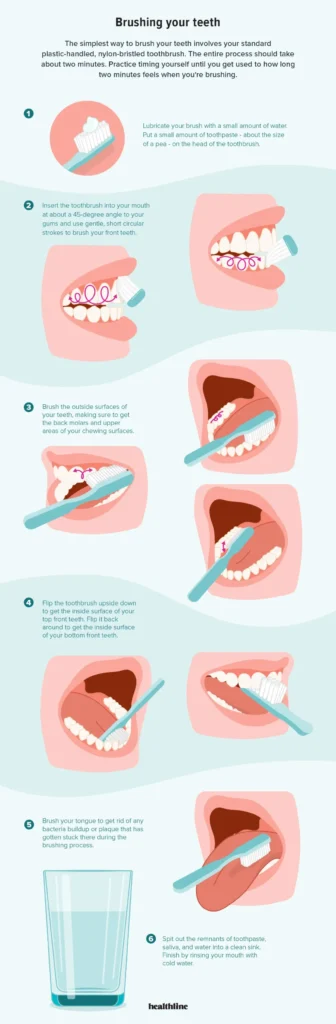
As we age, our teeth become increasingly vulnerable to decay and damage. That’s why it’s essential to learn how to brush your teeth correctly, a habit that should be part of our daily routine. In this comprehensive guide, we’ll explore the best practices for maintaining healthy teeth and gums.
Why Brushing Your Teeth is Crucial
Regular brushing is not only important for oral hygiene but also plays a significant role in preventing various health issues, such as heart disease, diabetes, and even certain cancers. By understanding how to brush your teeth correctly, you can significantly reduce the risk of these conditions.
Research has shown that there is a strong link between gum disease and other systemic health problems, including:
- Heart disease: Bacteria from gum disease can travel through the bloodstream and cause inflammation in the arteries.
- Diabetes: Research suggests that gum disease may be linked to an increased risk of developing type 2 diabetes.
- Cancer: Some studies have found a possible connection between gum disease and certain types of cancer, such as pancreatic cancer.
By practicing good oral hygiene, you can significantly reduce your risk of developing these conditions.
How Often Should You Brush Your Teeth?
While it may seem obvious, many people don’t realize that brushing their teeth twice a day is not enough. To effectively remove plaque and bacteria, you should brush your teeth at least two times a day for two minutes each time. Don’t forget to include the gum line when brushing.
It’s also important to note that you should wait at least 30 minutes after consuming acidic foods or drinks before brushing your teeth. Acidic substances can weaken tooth enamel, making it more susceptible to decay.
Electric or Manual Brushing: Which is Better?
When it comes to choosing between electric and manual toothbrushes, there’s no clear-cut winner. Both types of brushes have their advantages and disadvantages. Electric toothbrushes are more convenient and efficient, while manual toothbrushes provide a more personalized experience.
Some benefits of using an electric toothbrush include:
- Increased efficiency: Electric toothbrushes can remove plaque and bacteria more effectively than manual toothbrushes.
- Easier to use: Electric toothbrushes can be easier to maneuver around the mouth and can even help with brushing hard-to-reach areas.
- Gentle on gums: Some electric toothbrushes have built-in timers and pressure sensors that can help prevent gum damage.
However, some people may prefer manual toothbrushes because:
- Cost-effective: Manual toothbrushes are often less expensive than electric toothbrushes.
- Personalized experience: Manual toothbrushes allow you to get a closer look at your teeth and brush in areas that may be difficult for an electric toothbrush to reach.
Ultimately, the choice between an electric and manual toothbrush comes down to personal preference. If you have difficulty using a toothbrush or if you’re unsure about which type of brush is best for you, consult with your dentist.
The Importance of Spitting
Spitting after brushing is essential for removing any remaining plaque or bacteria from your teeth. Make sure to spit out the water without rinsing your mouth with water.
If you do choose to rinse your mouth with water, be sure to use warm or lukewarm water and avoid using hot water, which can damage tooth enamel.
Using Toothpaste: Is it Necessary?
Toothpaste may seem like an unnecessary addition to our daily oral hygiene routine, but it plays a vital role in maintaining healthy teeth and gums. Toothpaste contains fluoride, which helps strengthen tooth enamel and prevent decay.
Some common ingredients found in toothpaste include:
- Fluoride: Helps strengthen tooth enamel and prevent decay.
- Sodium bicarbonate: Helps remove plaque and neutralize acids.
- Whitening agents: Help remove surface stains from the teeth.
When choosing a toothpaste, be sure to select one that contains fluoride and is suitable for your age group and oral health needs.
The Role of Flossing in Oral Hygiene
Flossing is often overlooked, but it’s a crucial part of maintaining good oral health. By removing food particles and plaque from between your teeth, you can significantly reduce the risk of gum disease and tooth decay.
Some benefits of flossing include:
- Removing food particles: Flossing helps remove trapped food particles that can cause cavities.
- Preventing gingivitis: Regular flossing can help prevent gingivitis, a common cause of gum disease.
- Reducing bad breath: Flossing can help reduce bad breath by removing bacteria from the mouth.
If you have difficulty using dental floss, consider using an interdental brush instead. These brushes are specifically designed to reach between teeth and can be more effective than regular floss.
Toothpaste Collators: A Misconception?
Contrary to popular belief, using a toothpaste collator after brushing is not necessary or recommended. In fact, it may even be counterproductive. The American Dental Association warns against using toothpaste collators, as they can strip away the fluoride coating left on your teeth by the toothpaste.
Instead of using a toothpaste collator, try the following:
- Wait at least 30 minutes after brushing before rinsing with water.
- Use a fluoride-rich mouthwash to help strengthen tooth enamel.
- Practice good oral hygiene habits, such as flossing and regular dental check-ups.
Bristling with Questions: Brushing Your Teeth for Kids
Teaching kids good oral hygiene habits is crucial for their overall health and well-being. Start early by demonstrating how to brush their teeth correctly, using a gentle touch and focusing on areas prone to tartar buildup.
Some tips for brushing your child’s teeth include:
- Use a soft-bristled toothbrush that’s designed for children.
- Choose a toothpaste that contains fluoride and is suitable for their age group.
- Encourage your child to brush their teeth at least twice a day, once in the morning and once before bed.
Gum Sensitivity: What’s Causing It?
Gum sensitivity can be caused by various factors, including:
- Plaque buildup: Bacteria from plaque can cause inflammation in the gums.
- Gum recession: When the gums recede, they can expose the roots of the teeth, causing sensitivity.
- Tooth decay: Cavities can cause pain and sensitivity in the mouth.
If your gums are sensitive, try spitting with your non-dominant hand for a more delicate touch. You can also use a desensitizing toothpaste to help reduce sensitivity.
The Ultimate Brushing Guide
Here are the basic rules to follow when brushing your teeth:
• Wait at least two hours after meals before brushing
• Rinse your mouth thoroughly before using your toothbrush
* Spit without rinsing your mouth
• Brush gently and maintain an angle of 45 degrees with your toothbrush
* Spend about two minutes on each section of your mouth, including the gum line
* Use a fluoride-rich toothpaste
Beyond Brushing: A Deeper Look at Oral Hygiene
If you want to take your oral hygiene to the next level, consider using dental floss or an interdental brush. These tools can help remove food particles and plaque from between your teeth, keeping your mouth healthy and clean.
You can also try other advanced oral hygiene techniques, such as:
- Tongue scraping: Removing bacteria and debris from the tongue can help freshen breath and improve overall health.
- Oil pulling: Swishing oil around in your mouth can help reduce inflammation and improve gum health.
However, be sure to consult with your dentist before trying any new oral hygiene techniques or products.


