
Understanding the Mystery of Blurred Vision
Have you ever experienced a moment where your vision seems to be blurry or fuzzy? It’s not just stress that can cause this phenomenon, but also other factors such as climate changes, eye problems, or even underlying medical conditions. In this article, we’ll delve into the possible causes of blurred vision, explore some common symptoms and potential solutions.
What Causes Blurred Vision?
There are several eye problems that can lead to blurred vision. Myopia (nearsightedness), astigmatism, and hypermetropia (farsightedness) are three common conditions that can cause blurry vision. In these cases, the lens of the eye may not be able to focus light properly on the retina, leading to distorted or unclear images.
Understanding the Symptoms
In addition to blurred vision, other symptoms such as headaches, eye strain, and sensitivity to light can occur. If you’re experiencing any of these symptoms, it’s essential to consult an eye care professional to determine the underlying cause.
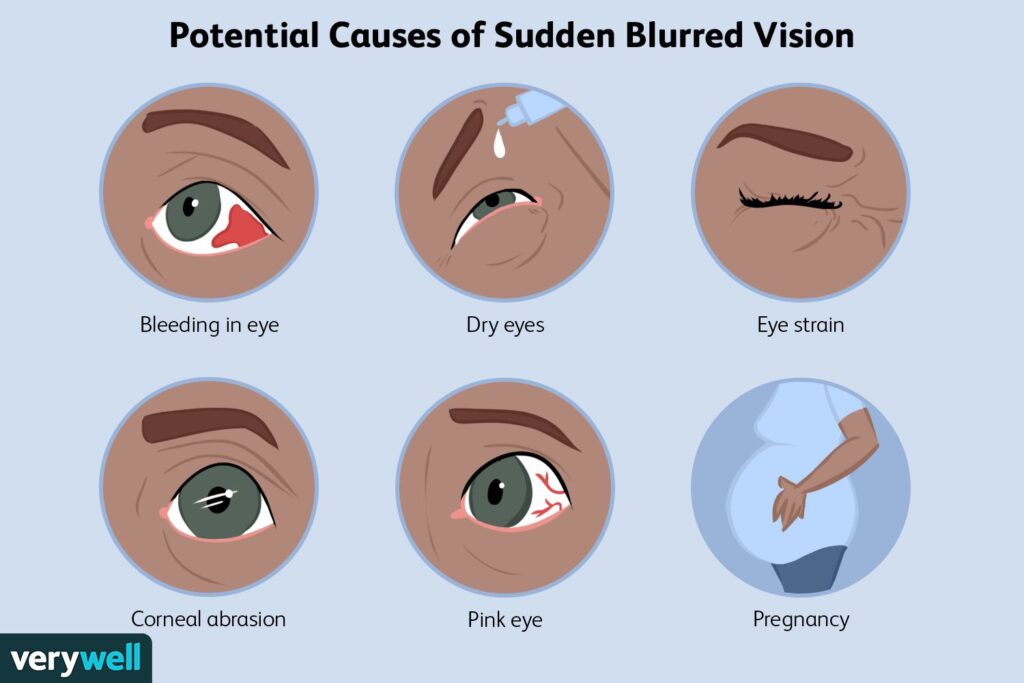
Potential Causes of Blurred Vision
There are many potential causes of blurred vision, including:
- Eye problems: Myopia, astigmatism, hypermetropia, cataracts, glaucoma, and other conditions
- Lifestyle factors: Prolonged screen time, lack of exercise, poor diet, and stress
- Medical conditions: Diabetes, high blood pressure, and other systemic diseases
When to Seek Medical Attention
If you’re experiencing persistent or severe blurred vision, it’s crucial to consult an eye care professional. Untreated eye problems can lead to further complications, such as permanent damage to the retina or optic nerve.
Common Symptoms of Blurred Vision
- Headaches
- Eye strain
- Sensitivity to light
- Difficulty focusing on objects at a distance
Preventing Blurred Vision
While some causes of blurred vision can’t be prevented entirely, there are steps you can take to reduce the risk:
- Get regular eye exams: Regular eye exams can help detect potential problems early on.
- Maintain a healthy lifestyle: Eating a balanced diet, exercising regularly, and managing stress can help reduce the risk of blurred vision.
- Take breaks when working on screens: Following the 20-20-20 rule (every 20 minutes, look away from your screen and focus on something 20 feet away for 20 seconds) can help reduce eye strain.
Conclusion
Blurred vision can be a mysterious and frustrating phenomenon, but by understanding its causes and taking preventative measures, you can reduce the risk of experiencing it. If you’re concerned about blurred vision, don’t hesitate to consult an eye care professional for personalized advice and treatment.
Frequently Asked Questions (FAQs)
- What is blurred vision?
Blurred vision is a condition where objects or images appear unclear or fuzzy. - Can I prevent blurred vision?
While some causes of blurred vision can’t be prevented entirely, maintaining a healthy lifestyle and following eye care recommendations can help reduce the risk. - What are the symptoms of blurred vision?
Common symptoms include headaches, eye strain, sensitivity to light, and difficulty focusing on objects at a distance. - Can I self-diagnose blurred vision?
No, it’s recommended to consult an eye care professional for accurate diagnosis and treatment. - How long does blurred vision last?
The duration of blurred vision depends on the underlying cause. Some cases may be temporary, while others can persist or even lead to permanent damage if left untreated.
Additional Tips for Managing Blurred Vision
- Use good lighting: Avoid harsh lighting, which can exacerbate eye strain and blur vision.
- Adjust your distance viewing: If you’re experiencing blurred vision when viewing objects at a distance, try adjusting the distance or using binoculars to improve focus.
- Consider corrective lenses: If your blurred vision is caused by refractive errors such as myopia or hypermetropia, consider consulting an eye care professional about prescription glasses or contact lenses.
- Stay hydrated: Drinking plenty of water can help reduce eye strain and maintain overall eye health.
By understanding the causes, symptoms, and solutions of blurred vision, you can take steps to protect your eyes and maintain optimal eye health. Don’t hesitate to consult an eye care professional if you’re concerned about blurred vision – early treatment can make a significant difference in resolving this frustrating phenomenon.


