
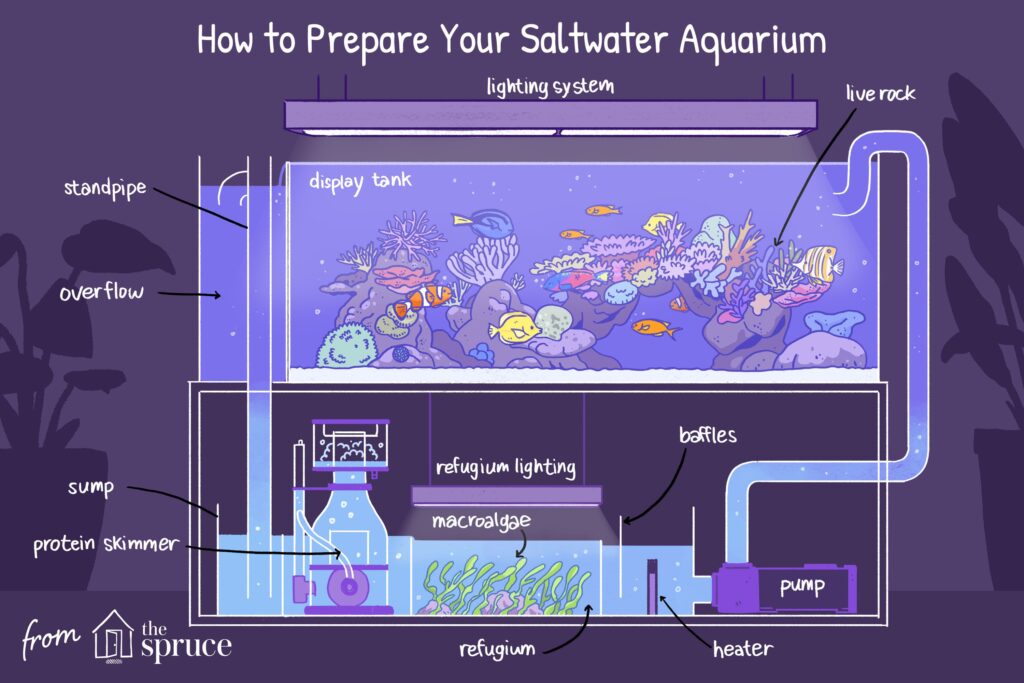
As you begin your journey into the world of marine aquariums, it’s essential to have clear ideas about what you want to achieve. If you’re new to this hobby, keep in mind that having experience with freshwater aquariums can make things more complicated, especially when dealing with saltwater environments.
One of the most critical aspects of setting up a marine aquarium is understanding your aquarium. Before making any decisions, consider the type of animals you want to keep. You can choose from a variety of species, including corals, mollusks, and crustaceans. For beginners, it’s recommended to start with easy-to-care-for animals like soft corals, coral-mimics, and sea anemones. However, if you’re interested in keeping more challenging species like hard corals or fish, be prepared for a higher maintenance level.
Understanding Your Aquarium
When choosing your marine aquarium, consider the following factors:
- Tank size: A minimum tank size of 55 gallons is recommended for beginners. This provides enough space for a stable ecosystem and allows you to establish a diverse community of marine animals.
- Water volume: The water volume in your tank should be sufficient to support the biological needs of your aquarium. Aim for a minimum of 10 gallons per animal, considering factors such as water quality, temperature, and salinity.
- Aquarium design: The design of your aquarium will significantly impact its overall health and performance. Consider a well-ventilated design with adequate space for equipment and animals.
- Equipment location: Properly locate equipment such as pumps, filters, and heaters to minimize water circulation disruptions and reduce the risk of electrical shock.
Essential Components of a Marine Aquarium
To set up your marine aquarium, you’ll need the following essential components:
- Tank: The tank is the most critical component of your aquarium. Choose a high-quality glass tank with a sturdy frame.
- Lighting: Lighting is crucial for marine life, and you’ll need to invest in high-quality lighting systems that can support the specific needs of your animals.
- LED or T5 lighting are popular choices for their energy efficiency and long lifespan.
- Consider factors such as intensity, color temperature, and spectral output when selecting a lighting system.
- Pumps and Filtration: A reliable filtration system is necessary to maintain water quality. You may choose between a traditional filter or a sump system, which includes a separate tank for filtration and osmoregulation.
- Traditional filters are suitable for small to medium-sized aquariums, while sump systems offer greater flexibility and control over water chemistry.
- Heating and Cooling: Marine aquariums require precise temperature control. You’ll need a heating or cooling system to maintain the optimal temperature range for your animals.
- Heating systems can be achieved using electric heaters, ceramic heat emitters, or reflux heaters.
- Protein Skimmer: A protein skimmer helps remove waste products from the water, maintaining good water quality.
- Rocks and Live Sand: Adding rocks and live sand to your aquarium creates a natural environment for your marine life.
- Resin and Activators: Resin and activators are used to promote beneficial bacteria growth in your filtration system.
Cost Considerations
The cost of setting up a marine aquarium can vary greatly, depending on the size of your tank and the complexity of your setup. As a beginner, it’s essential to set a budget and prioritize your needs. Here are some estimated costs for common components:
- Tank: $100-$500
- Lighting: $50-$200
- Pumps and Filtration: $50-$300
- Heating and Cooling: $20-$100
- Protein Skimmer: $20-$100
- Rocks and Live Sand: $20-$50
- Resin and Activators: $10-$30
Maintenance and Upkeep
Regular maintenance is crucial for a thriving marine aquarium. This includes:
- Water Testing: Regular water testing ensures you’re monitoring the chemical balance of your aquarium.
- Water Changes: Performing regular water changes (10-30% every week) helps maintain optimal water quality.
- Algae Control: Controlling algae growth requires attention to lighting, water circulation, and nutrient management.
- Animal Care: Proper care for your marine animals includes feeding, monitoring health, and addressing any issues promptly.
Tips for Maintaining a Healthy Marine Aquarium
- Monitor water parameters regularly: Regularly test pH, ammonia, nitrite, and nitrate levels to ensure optimal water quality.
- Perform regular water changes: Aim for 10-30% water changes every week to maintain water quality and prevent the buildup of toxins.
- Maintain proper nutrient levels: Ensure adequate nutrient levels by adding supplements or fertilizers as needed.
- Monitor animal health: Regularly inspect your marine animals for signs of disease, injury, or stress.
Conclusion
Setting up a marine aquarium can be a rewarding hobby, but it requires dedication and research. By understanding the essential components of your aquarium, setting a budget, and prioritizing maintenance, you’ll be well on your way to creating a thriving underwater environment.
FAQs
- What is the minimum tank size for a marine aquarium?
A minimum tank size of 55 gallons is recommended for beginners. - How often should I perform water changes in my marine aquarium?
Performing 10-30% water changes every week is essential for maintaining optimal water quality. - What type of lighting is best for my marine aquarium?
High-quality LED or T5 lighting systems are suitable for most marine aquariums. - How often should I clean the protein skimmer in my marine aquarium?
Clean the protein skimmer according to the manufacturer’s instructions, usually every 1-2 weeks. - What is an osmoregulator, and how does it work?
An osmoregulator helps regulate water chemistry by balancing salt levels and maintaining optimal water conditions for your marine animals. - Can I keep corals and fish together in the same aquarium?
It’s recommended to separate corals from fish to prevent damage and ensure proper care for both species. - What is the best way to feed my marine animals?
Feed your marine animals according to their specific dietary needs, using high-quality commercial foods or supplements. - How often should I perform partial water changes in my sump system?
Perform partial water changes (10-30% every week) in your sump system to maintain optimal water quality and prevent bacterial growth.
Additional Tips for Beginners
- Start small: Begin with a smaller tank and gradually increase its size as you gain experience.
- Research, research, research: Read extensively about marine aquariums and their requirements before making any decisions.
- Join online communities: Connect with other marine aquarium enthusiasts to share knowledge and learn from their experiences.
- Attend workshops or classes: Attend workshops or classes to improve your knowledge and skills.
- Be patient: Setting up a successful marine aquarium takes time, patience, and dedication.
By following these guidelines and tips, you’ll be well on your way to creating a thriving underwater environment for your marine animals.


