
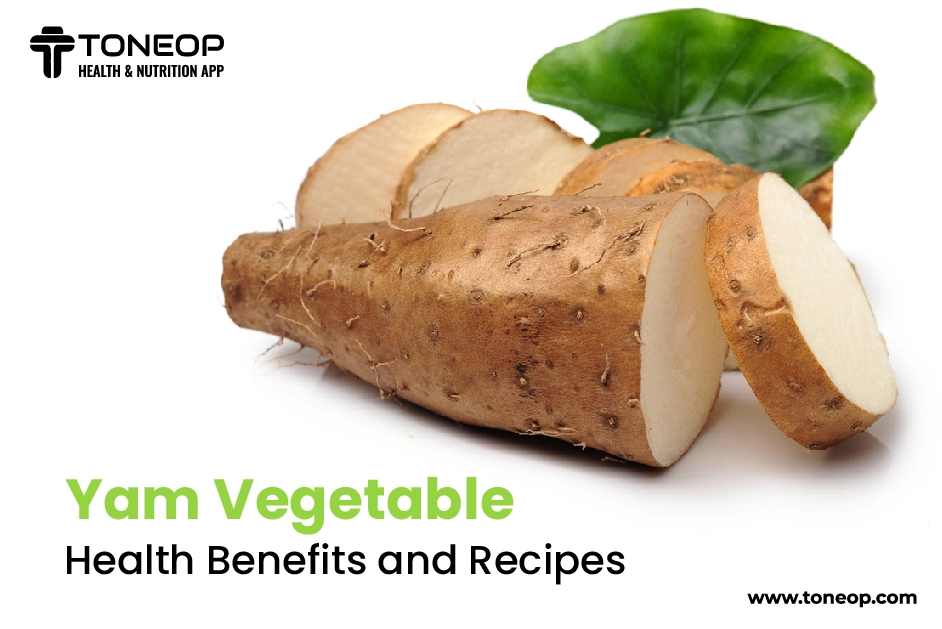
The Miraculous Sweet Potato: Unlocking its Health Benefits and Delicious Recipes
Are you ready to discover the hidden gem of the vegetable world? Say hello to the sweet potato, also known as batata in some parts of the globe. This rare but precious tuber has been touted as one of the healthiest foods on the planet, thanks to its high concentration of beneficial compounds that support overall well-being and culinary versatility.
What is Batata and How Does it Differ from Regular Potatoes?
Batata, or Ipomoea batatas, is a type of sweet potato that is distinct from regular potatoes. While they may look similar, batata has a more elongated shape with pointed ends and a variety of colors, including white, yellow, orange, red, brown, and even purple. The flesh of the batata is also sweeter and softer than regular potatoes.
The Nutritional Powerhouse: Unlocking Batata’s Health Benefits
Batata is an excellent source of essential nutrients, including:
- Fiber
- Vitamins A and C
- Potassium
- Manganese
- Flavonoids
- Antioxidants
These compounds have been shown to possess anti-inflammatory properties, support immune function, and even exhibit potential anti-aging effects. Batata is also relatively low in calories and rich in complex carbohydrates, making it an excellent choice for those looking to manage their weight or follow a balanced diet.
Cooking with Batata: Exploring Its Culinary Potential
Batata can be prepared in various ways, from boiling and mashing to roasting and frying. Here are three delicious recipes to get you started:
Batate Arrosto (Roasted Sweet Potatoes)
Ingredients:
- 2 medium-sized sweet potatoes
- 2 tablespoons of olive oil
- Salt and pepper to taste
Instructions:
- Preheat the oven to 200°C.
- Wash and peel the sweet potatoes, then cut them into thin slices.
- Toss the sweet potato slices with olive oil, salt, and pepper in a bowl until they are evenly coated.
- Spread the sweet potato slices on a baking sheet lined with parchment paper.
- Roast for about 25-30 minutes, or until the sweet potatoes are tender and golden brown.
Zuppa di Batata (Sweet Potato Soup)
Ingredients:
- 500g of sweet potatoes
- 1 large onion
- 2 medium-sized carrots
- 1 liter of vegetable broth
- 2 tablespoons of olive oil
- Salt and pepper to taste
Instructions:
- Peel and chop the sweet potatoes, carrots, and onion.
- Heat the olive oil in a large pot over medium heat.
- Add the chopped onion and cook for about 5 minutes until it is translucent.
- Add the chopped carrots and sweet potatoes, along with vegetable broth, salt, and pepper.
- Bring the mixture to a boil, then reduce heat and simmer for about 20-25 minutes or until the vegetables are tender.
Batata al Forno con Ripieno di Spinaci e Feta (Roasted Sweet Potatoes with Spinach and Feta)
Ingredients:
- 2 medium-sized sweet potatoes
- 200g of fresh spinach leaves
- 100g of crumbled feta cheese
- 2 tablespoons of olive oil
- Salt and pepper to taste
Instructions:
- Preheat the oven to 200°C.
- Wash and peel the sweet potatoes, then cut them in half lengthwise.
- Scoop out some of the flesh from each sweet potato half to create a cavity for the filling.
- Mix together chopped spinach leaves, crumbled feta cheese, olive oil, salt, and pepper.
- Stuff each sweet potato half with the spinach-feta mixture, then return them to their original shape.
- Bake for about 1 hour or until the sweet potatoes are tender.
Differences Between Batata and Regular Potatoes
While both batata and regular potatoes belong to the Solanaceae family, there are some notable differences between the two:
- Classification: Batata is classified as Ipomoea batatas, while regular potatoes are Solanum tuberosum.
- Color and Form: Batata has a more elongated shape with pointed ends and a variety of colors, including white, yellow, orange, red, brown, and even purple. Regular potatoes are typically round or oval in shape with a smooth, thin skin.
- Tubero and Radice: Regular potatoes are tubers, meaning they accumulate starch as part of their growth strategy. Batata is a radish tuber, which means it has a different structure that allows it to store nutrients more efficiently.
Conclusion
In conclusion, batata is an incredible food with a rich history and diverse uses in cooking. Its nutritional profile makes it an excellent choice for those seeking a healthy diet or looking to incorporate new flavors into their meals. Whether you’re enjoying roasted sweet potatoes, creamy soups, or savory fillings, the versatility of this tuber will surely delight your taste buds.
Frequently Asked Questions
- Is batata suitable for diabetics?
Batata can be part of a healthy diet for people with diabetes, but it’s essential to consume it in moderation and as part of a balanced meal plan. - Can batata be eaten raw?
Yes, batata can be consumed raw, although cooking it can help break down some of its natural defenses and make the nutrients more accessible. - How do I store batata for long-term preservation?
Batata should be stored in a cool, dry place with good ventilation. It’s essential to keep it away from direct sunlight and moisture to prevent mold or rot. - Can batata be grown indoors?
Yes, batata can be grown indoors using containers or pots. However, the growing conditions may require specific attention, such as controlled temperature and humidity levels. - Are there any potential allergens in batata?
Batata is generally considered safe for most people to consume. However, some individuals might experience allergic reactions or digestive issues due to its high fiber content.


