
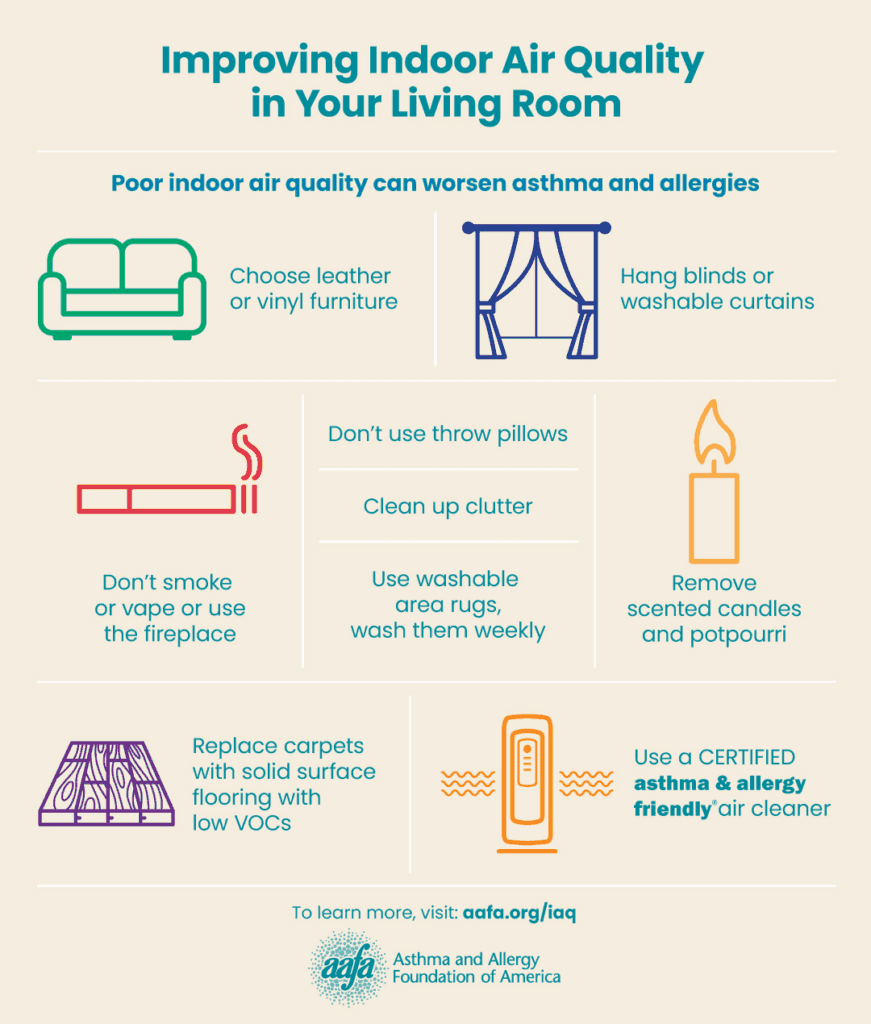
Improving Indoor Air Quality: Tips and Solutions
As we spend a significant amount of time indoors, the quality of the air around us can have a profound impact on our health. However, many of us tend to overlook this crucial aspect of our living spaces. In contrast, outdoor pollution is often discussed at length, but indoor air quality in homes is frequently underappreciated.
Understanding Indoor Air Quality
So, what are some common sources of poor indoor air quality? Let’s take a closer look:
- Particulate Matter: Tiny particles from various sources, including construction materials and household items.
- Fumes from Cigarettes: Secondhand smoke can be particularly hazardous for people with pre-existing health conditions.
Other Hidden Sources
We often overlook other factors that can affect indoor air quality:
- Old plumbing systems: Clogged drains and malfunctioning toilets can lead to unpleasant odors.
- Food waste: Forgotten leftovers can create a breeding ground for bacteria and pests.
- Moisture buildup: Excessive humidity can foster mold growth and dampness.
The Silent Enemy: Formaldehyde
One of the most insidious threats to indoor air quality is formaldehyde. This colorless, odorless gas can be present in:
- Furniture upholstery: Some materials used in furniture production contain formaldehyde.
- Cleaning products: Certain detergents and disinfectants may release formaldehyde when applied.
- Pulp-based products: Paper products, such as cardboard boxes and paper towels, can also emit formaldehyde.
Consequences of Formaldehyde Exposure
Prolonged exposure to formaldehyde has been linked to:
- Headaches
- Eye irritation
- Fatigue
Solutions for Better Indoor Air Quality
Fortunately, there are technologies and materials designed to mitigate these issues:
- Activ’Air: A patented material developed by Saint-Gobain Gyproc that absorbs and neutralizes formaldehyde.
- Ionizing air purifiers: Devices that release negative ions to attract and trap pollutants.
Investing in a Healthier Home
When planning a home renovation, consider investing in:
- Incentives for sustainable upgrades
- Energy-efficient solutions: Improve insulation, replace old windows, and upgrade HVAC systems.
- Eco-friendly materials: Choose products made from natural, non-toxic materials.
Creating Healthy Spaces: The Importance of Ventilation
Proper ventilation is crucial in maintaining good indoor air quality:
- Natural ventilation: Open windows and doors to allow fresh air to circulate.
- Mechanical ventilation: Install a high-quality HVAC system that exchanges stale air for clean air.
Maintaining Indoor Air Quality: A Daily Routine
To ensure the air in your home remains healthy, follow these simple tips:
- Regularly clean and disinfect surfaces
- Use HEPA filters on your HVAC system
- Implement a regular dusting routine
- Monitor humidity levels to prevent moisture buildup


