
Introduction
In today’s fast-paced world, it’s easy to get caught up in the hustle and bustle of daily life and forget about our environmental impact. One simple yet effective way to reduce your carbon footprint is by implementing a composting system at home. In this article, we’ll explore the importance of composting, the different types of containers available, and provide tips on how to get started with your own home composting system.
The Importance of Composting
Composting is the process of breaking down organic materials like food waste, leaves, and grass clippings into a nutrient-rich soil amendment. This natural process helps to reduce greenhouse gas emissions, conserve water, and create a sustainable source of fertilizer for your garden. By composting at home, you can significantly reduce your waste output and contribute to a cleaner, healthier environment.
Composting is an eco-friendly way to manage household waste, as it:
- Reduces landfill waste: Composting reduces the amount of organic waste sent to landfills.
- Conserves water: Compost can help retain moisture in soil, reducing the need for irrigation.
- Creates a natural fertilizer: Compost is an excellent source of nutrients for plants, promoting healthy growth and development.
- Supports biodiversity: By creating a nutrient-rich environment, composting encourages beneficial microorganisms to thrive.
Getting Started with Composting Containers
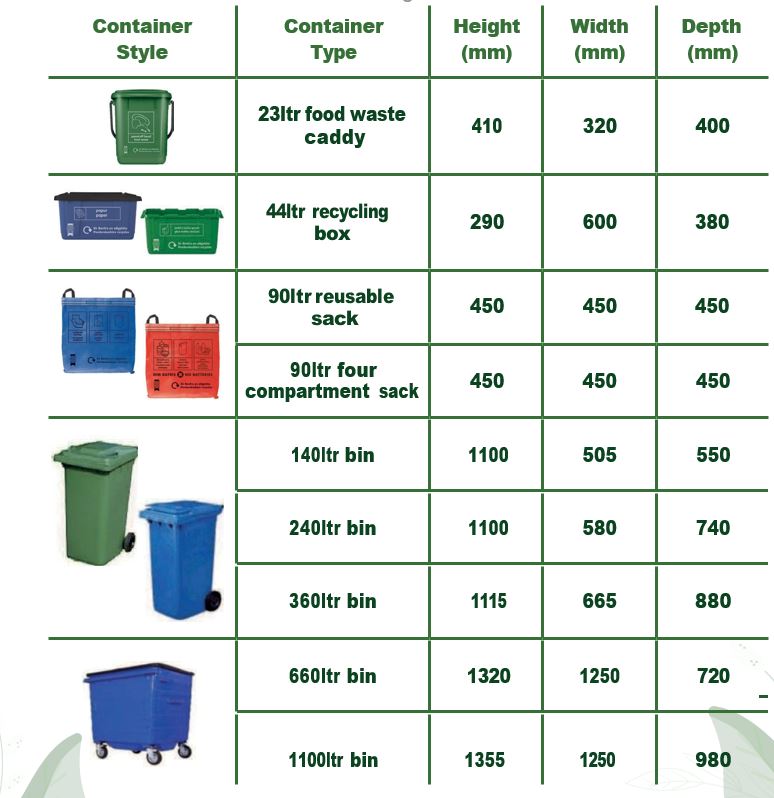
In the UK, local authorities often provide containers for household recycling, including composting facilities. However, in Italy, each family is responsible for organizing their own composting system. This can be a daunting task, especially if you’re new to composting. Fortunately, there are many types of composting containers available on the market, designed to make the process easy and efficient.
When choosing a composting container, consider factors such as:
- Space constraints: Compact or mobile containers can fit in small areas.
- Material composition: Choose containers made from durable, weather-resistant materials.
- Maintenance requirements: Select a container with easy access for adding materials and monitoring decomposition.
- Odor control: Some containers feature built-in odor-absorbing features to minimize unpleasant smells.
Types of Composting Containers
When it comes to choosing a composting container, there are several options to consider:
- Plastic bins: These are the most common type of composting container. They’re affordable, lightweight, and come in a variety of sizes.
- Wicker baskets: A more natural option, wicker baskets are made from sustainable materials like rattan or bamboo.
- Mobile containers: Perfect for small spaces, mobile containers can be easily moved around your yard to optimize composting space.
- Wooden bins: Made from eco-friendly wood, these containers provide a natural and attractive option for composting.
Composting Container Essentials
To ensure successful composting, you’ll need a few key items:
- A container specifically designed for composting: Choose a bin with adequate size, ventilation, and moisture retention features.
- A lid or cover to retain heat and moisture: This helps regulate temperature and humidity levels within the compost pile.
- Brown materials like leaves or straw to balance out green materials like food waste: A balanced mix of “green” (nitrogen-rich) and “brown” (carbon-rich) materials is essential for optimal decomposition.
- Water: Keep the mixture moist, but not soggy.
Creating a Composting System at Home
So, how do you get started with your own home composting system? Here are some steps to follow:
- Choose the right container: Select a container that suits your space and needs.
- Add brown materials: Include items like leaves or straw to balance out green materials.
- Add water: Keep the mixture moist, but not soggy.
- Maintain temperature: Ensure the compost pile reaches temperatures of 130°F – 140°F (54°C – 60°C).
- Turn the pile: Regularly turn the compost pile to aerate it and speed up decomposition.
Tips for Effective Composting
To ensure your composting system is effective, keep these tips in mind:
- Add a mix of green and brown materials: Balance “green” (nitrogen-rich) materials like food waste with “brown” (carbon-rich) materials like leaves or straw.
- Keep the container clean and well-maintained: Regularly clean out your compost pile to prevent pests and odors.
- Avoid adding meat, dairy, or oils: These can attract pests and create unpleasant odors.
- Be patient – composting takes time! Aiming for 2-6 months for optimal decomposition.
Conclusion
Composting at home is a simple yet effective way to reduce your environmental impact. By choosing the right container and following these tips, you can create a sustainable system that benefits both your garden and the environment.
Frequently Asked Questions
- What materials should I add to my compost pile?
Green materials like food waste, grass clippings, and leaves should be balanced with brown materials like straw or shredded newspaper. - How often should I turn the compost pile?
Regularly turning the compost pile helps aerate it and speed up decomposition. - What’s the best way to maintain temperature in my compost pile?
Ensure the compost pile reaches temperatures of 130°F – 140°F (54°C – 60°C) by adding brown materials, covering it with a lid, and keeping it moist. - Can I compost food waste at home?
Yes, but avoid adding meat, dairy, or oils to your compost pile. - How long does it take for compost to break down?
Composting can take anywhere from 2-6 months, depending on factors like temperature and material balance.
By implementing a composting system at home, you’ll be contributing to a cleaner, healthier environment while reducing your carbon footprint.


