
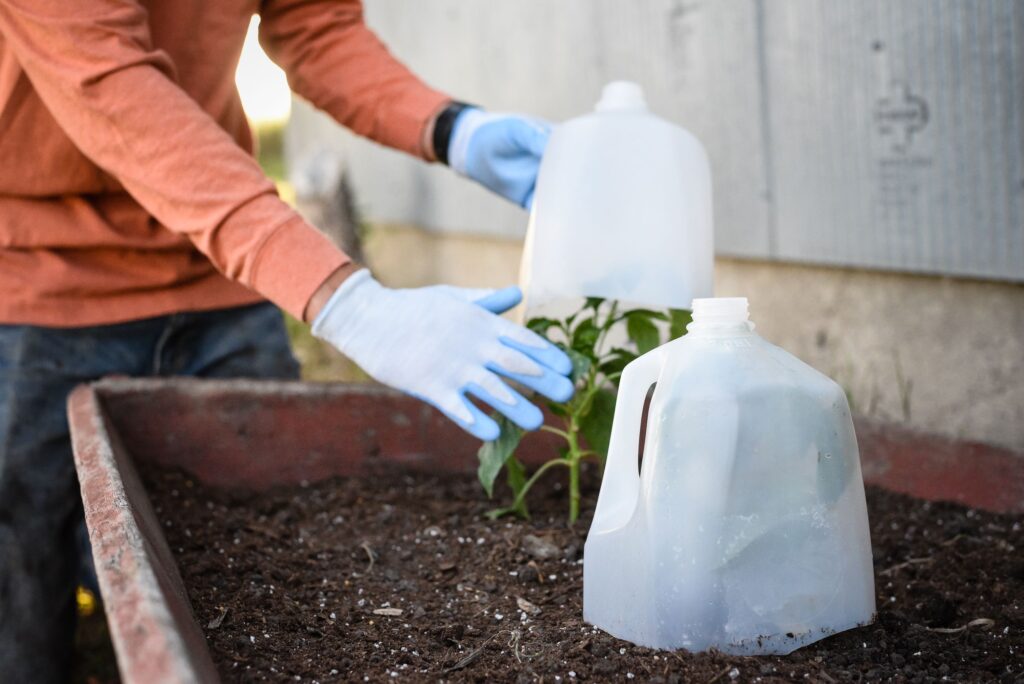
As a gardener, you know that growing vegetables can be a rewarding experience, even in the dead of winter. However, with the increasing unpredictability of the weather, it’s essential to learn how to protect your vegetables from cold temperatures. In this article, we’ll explore the best methods for protecting your vegetables from frost and discuss some popular varieties that are resistant to cold.
Understanding Cold Weather
When the cold snap arrives gradually, plants can adapt and adjust to the new temperature conditions. Unfortunately, with climate change, the transition between warm and cold seasons is becoming more erratic, and sudden frosts can catch gardeners off guard. To prevent damage from frost, it’s crucial to understand how to protect your vegetables.
The Science Behind Frost Damage
Frost damage occurs when water inside plant cells freezes and expands, causing the cell walls to rupture. This leads to a range of problems, including:
- Loss of tissue
- Discoloration
- Reduced growth rate
- Increased susceptibility to disease
To prevent frost damage, it’s essential to understand how plants respond to cold temperatures.
The Impact of Temperature on Vegetables
Vegetable growth and development are influenced by temperature. Most vegetables grow best in temperatures between 15°C (59°F) and 25°C (77°F). When the temperature drops below this range, plant growth slows down, and frost damage becomes more likely.
Here’s a general breakdown of how different vegetables respond to cold temperatures:
- Temperate climates: Most vegetables can tolerate light frosts, but prolonged exposure to cold temperatures can cause significant damage.
- Cold climates: Some vegetables, such as spinach and kale, are adapted to grow in cooler temperatures and can tolerate frost better than others.
Using Greenhouses or Cold Frames
Greenhouses and cold frames are excellent ways to protect your vegetables from frost. These structures can be built using DIY materials or purchased pre-assembled. The size of the greenhouse or cold frame will depend on the space available and the number of plants you want to protect. Small greenhouses, typically 0.8-1 meter wide and high, are ideal for small gardens, while larger ones with a width of 2-3 meters and height of 2 meters can accommodate more extensive gardens.
Benefits of Greenhouses
Greenhouses offer several benefits when it comes to protecting vegetables from frost:
- Temperature control: Greenhouses allow you to regulate the temperature inside, creating an optimal environment for plant growth.
- Light control: Greenhouses provide natural light during the day and reduce heat loss at night.
- Protection from wind: Greenhouses shield plants from harsh winds that can cause damage.
Benefits of Cold Frames
Cold frames offer several benefits when it comes to protecting vegetables from frost:
- Reduced temperature fluctuations: Cold frames help regulate temperature fluctuations, reducing stress on plants.
- Improved ventilation: Cold frames allow for improved ventilation, which helps prevent fungal diseases.
- Increased humidity: Cold frames maintain higher humidity levels, reducing water loss and promoting healthy plant growth.
Tunnels: A Cost-Effective Solution
Tunnels are another cost-effective way to protect your vegetables from frost. These can be made of plastic or fabric and come in various sizes. The smaller tunnels, typically 0.8-1 meter wide and high, are perfect for small gardens, while larger ones can cover more ground.
Serres Tunnel: A Simple Solution
Using serre tunnel is a simple way to protect your vegetables from frost. It’s easy to build or purchase pre-assembled, making it an ideal solution for gardeners of all levels. The main advantage of using serre tunnel is that it provides protection from wind and frost, allowing you to harvest your vegetables even in the coldest weather.
The Importance of Ventilation
When using a greenhouse or cold frame, it’s essential to ensure proper ventilation to prevent overheating. Opening the structure during the hottest part of the day will allow for air circulation and prevent fungal diseases from developing.
Using Fabric Covers: A Lightweight Solution
Fabric covers, made from breathable materials such as cotton or polyester, are an excellent way to protect your vegetables from frost. These covers are lightweight, easy to install, and can be reused multiple times. They also provide protection from wind and frost, allowing you to harvest your vegetables even in the coldest weather.
Vegetable Varieties Resistant to Cold
If you’re short on time or prefer not to invest in additional equipment, choosing vegetable varieties that are resistant to cold is a great option. Some popular varieties include:
- Garlic
- Brussels sprouts
- Kale
- Cabbage
- Carrots
- Radishes
- Turnips
- Rutabaga
- Spinach
- Valerian
Tips for Growing Vegetables in Cold Climates
Growing vegetables in cold climates requires some extra care and attention. Here are some tips to help you get started:
- Choose cold-hardy varieties: Select vegetable varieties that are adapted to grow in cooler temperatures.
- Provide protection from wind: Use windbreaks or row covers to protect plants from harsh winds.
- Mulch around plants: Mulching helps retain soil heat and reduces frost damage.
- Water carefully: Avoid overwatering, which can lead to root rot and other problems.
Conclusion
Protecting your vegetables from frost is crucial for maintaining healthy and productive gardens. By using greenhouses, cold frames, tunnels, or fabric covers, you can ensure that your plants receive the protection they need to thrive even in the coldest weather. Remember to choose vegetable varieties that are resistant to cold and to provide proper ventilation when using greenhouse or cold frame.
Frequently Asked Questions (FAQs)
- Q: What is the best way to protect my vegetables from frost?
A: The best way to protect your vegetables from frost depends on the specific situation. Using greenhouses, cold frames, tunnels, or fabric covers can provide effective protection. - Q: How do I choose the right vegetable varieties for my garden?
A: Choose vegetable varieties that are resistant to cold and suitable for your climate zone. - Q: Can I use a greenhouse or cold frame with fabric covers?
A: Yes, you can use greenhouses or cold frames with fabric covers for added protection from wind and frost. - Q: How often should I open my greenhouse or cold frame for ventilation?
A: Open your greenhouse or cold frame during the hottest part of the day to ensure proper ventilation and prevent fungal diseases. - Q: Can I reuse fabric covers multiple times?
A: Yes, you can reuse fabric covers multiple times by washing and drying them thoroughly before reusing them. - Q: What are some popular vegetable varieties that are resistant to cold?
A: Some popular vegetable varieties that are resistant to cold include garlic, Brussels sprouts, kale, cabbage, carrots, radishes, turnips, rutabaga, spinach, valerian, and cipolla. - Q: How can I prevent damage from frost on my plants?
A: Use a combination of protection methods, such as greenhouses, cold frames, tunnels, or fabric covers, to protect your plants from frost.
By following these tips and choosing the right vegetable varieties, you can enjoy a healthy and productive garden even in the coldest weather.


