
As the ancient Greek philosopher Hippocrates once said, “A healthy mind in a healthy body.” This quote highlights the importance of mental well-being and how it can be achieved through various activities, including one of the most popular mind sports: chess. In this article, we will explore the benefits of playing chess for your mental health and provide guidance on how to get started.
What is Chess?
Chess is a two-player strategy board game that involves moving pieces on a square board with the ultimate goal of capturing your opponent’s king. The game requires critical thinking, problem-solving skills, and strategic planning. With over 1500 years of history, chess has been played by people from all walks of life, from royalty to commoners.
A Brief History of Chess
The origins of chess are shrouded in mystery, but it is believed to have originated in ancient India over 1500 years ago. From there, it spread to Persia (modern-day Iran) and eventually to Europe through the Silk Road trade route. The game was introduced to Europe by Arab traders in the 6th century AD and became a popular pastime among the nobility.
The Spread of Chess
Chess quickly gained popularity throughout Europe, with different regions developing their unique styles and strategies. In the 19th century, chess clubs sprang up across the continent, providing a platform for players to compete against each other. Today, chess is played by millions worldwide, with international tournaments and championships drawing top players from around the globe.
Benefits of Playing Chess for Your Mind
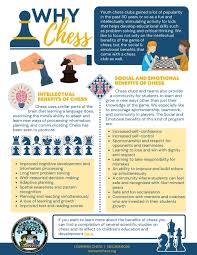
Numerous studies have shown that playing chess can improve cognitive function, boost memory, and enhance logical reasoning skills. Here are some of the benefits:
• Improves Cognitive Function: Playing chess requires critical thinking, problem-solving, and analysis. These activities can help improve your cognitive function, including attention, processing speed, and working memory.
• Boosts Memory: Chess players need to remember various openings, middlegame strategies, and endgame techniques. This can lead to improved memory recall and retention.
• Enhances Logical Reasoning: Chess involves analyzing positions, evaluating risks, and making informed decisions. These skills can improve logical reasoning abilities and help you become a better critical thinker.
• Reduces Stress and Anxiety: Playing chess can be a great stress-reliever and anxiety-reducer. The focus on the game can distract from daily worries and provide a mental break.
• Improves Concentration: Chess requires players to concentrate for extended periods, improving their ability to focus and stay engaged.
• Enhances Strategic Thinking: Chess is a game of strategy, requiring players to think several moves ahead. This can improve your ability to anticipate outcomes and make informed decisions.
Origins of Chess
The origins of chess are shrouded in mystery, but it is believed to have originated in ancient India over 1500 years ago. The game was known as “chaturanga” in Sanskrit, which translates to “having four arms” or “four divisions.” These divisions were the infantry, cavalry, elephants, and chariots.
Evolution of Chess
Over time, chess spread throughout the world, with different regions developing their unique styles and strategies. The game underwent significant changes during the Middle Ages, with the introduction of new pieces such as the queen and the pawns. Today, chess is played with a standard set of rules and pieces.
How to Play Chess
Playing chess involves moving pieces on a square board with the goal of capturing your opponent’s king. Here are some basic rules:
- The game starts with each player having 16 pieces: one king, one queen, two rooks, two knights, two bishops, and eight pawns.
- Players take turns moving their pieces according to specific rules (e.g., the king can only move one square at a time).
- The objective is to checkmate your opponent’s king, which means the king is in a position where it is under attack and cannot escape capture.
Basic Chess Pieces
Each piece on the board has its own unique movements and capabilities:
- King: The most important piece, as the objective of the game is to protect it.
- Queen: The most powerful piece, able to move any number of squares in any direction.
- Rook: Able to move horizontally or vertically any number of squares.
- Bishop: Able to move diagonally any number of squares.
- Knight: Moves in an L-shape (two squares in one direction, then one square to the side).
- Pawn: The foot soldiers, able to move forward one square but capturing diagonally.
Tips for Beginners
If you’re new to chess, here are some tips to get you started:
• Start with simple games: Begin with casual games against friends or online opponents.
• Learn basic strategies: Study common openings and middlegame techniques.
• Practice regularly: The more you play, the better you’ll become.
Libraries for Learning Chess
There are many books available that can help you learn chess. Here are a few recommendations:
- “Matto per la Regina” by Adolfo Capece (a great book for beginners)
- “Gli scacchi per ragazzi” by Bott-Morrison (a fun and engaging book for kids)
For adults, consider checking out the eBook “Corso per principianti assoluti ed adulti” by Andrea Gori.
Online Resources
There are many online resources available to help you learn chess:
- Chess.com: A comprehensive website with tutorials, videos, and interactive tools.
- Lichess.org: A free online chess platform with a large community of players and resources.
- YouTube Chess Channels: There are many YouTube channels dedicated to teaching chess, including Agadmator, ChessNetwork, and ChessLecture.
Conclusion
Chess is a game that can benefit your mental health in many ways. Whether you’re looking to improve cognitive function, reduce stress, or simply have fun, chess is an excellent choice. With its rich history, simple rules, and endless strategy, chess is a game for everyone.
FAQs
- Q: Is chess only for kids?
A: No, chess can be played by people of all ages. - Q: How long does it take to learn chess?
A: The amount of time it takes to learn chess depends on your level of dedication and practice. - Q: Can playing chess improve my memory?
A: Yes, playing chess has been shown to improve memory recall and retention. - Q: Is chess a competitive sport?
A: Yes, chess is a competitive sport with many international tournaments and championships. - Q: Can I play chess online?
A: Yes, there are many online platforms where you can play chess against opponents from around the world. - Q: How often should I play chess to improve my skills?
A: Regular practice is essential to improving your chess skills. Aim to play at least once a week. - Q: Can playing chess help me with stress and anxiety?
A: Yes, playing chess can be a great way to reduce stress and anxiety by providing a mental break. - Q: Are there any online resources for learning chess?
A: Yes, there are many online resources available, including tutorials, videos, and forums.
Additional Resources
If you’re looking for more information on the benefits of playing chess or want to learn more about the game, here are some additional resources:
- The International Chess Federation (FIDE): The official website of FIDE provides information on tournaments, rules, and resources.
- Chess.com Forums: A comprehensive forum where players can discuss chess, ask questions, and share knowledge.
- ChessBooks.com: A website dedicated to providing reviews and recommendations for chess books.
Conclusion
Playing chess is an excellent way to improve your mental health, cognitive function, and logical reasoning skills. With its rich history, simple rules, and endless strategy, chess is a game that can benefit everyone. Whether you’re a beginner or an experienced player, there’s always something new to learn and explore in the world of chess.


