
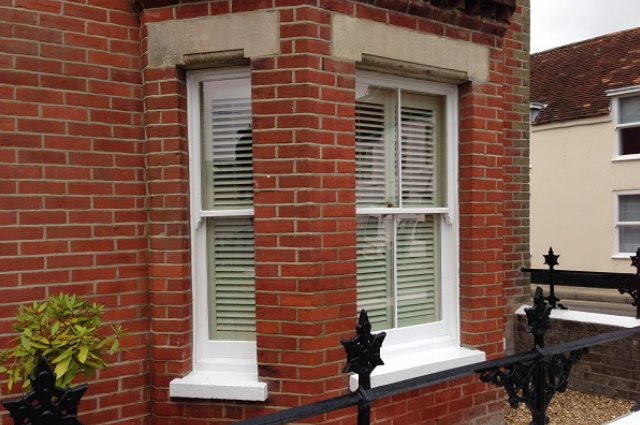
Understanding the Importance of Windows in Energy Efficiency
As a homeowner, you’ve likely heard the phrase “energy efficiency is key” when it comes to your home’s performance. But what exactly does this mean, and how can windows play a role? In this article, we’ll explore the impact of windows on energy efficiency, particularly for Class A houses.
The Role of Windows in Energy Efficiency
Windows are an essential component of any house, serving not only as a source of natural light but also as a means of regulating temperature. However, they can be a significant contributor to energy loss, especially during hot summer months and cold winter months. In fact, it’s estimated that up to 30% of heat can escape through windows, making them a major culprit when it comes to inefficient heating and cooling systems.
The Impact on Certification Energetica
In many countries, buildings are required to meet certain energy efficiency standards in order to receive certification. One such standard is the Class A rating, which indicates that a building has achieved the highest level of energy efficiency possible. However, achieving this rating can be challenging, especially when it comes to windows. This is because windows play a critical role in regulating temperature and preventing heat loss.
How Windows Film Can Help
So, what can homeowners do to improve their window’s energy efficiency? One solution is the use of windows film, also known as “Pellicole a controllo solare.” These thin, transparent films are applied directly to the glass surface of windows and can greatly reduce heat transfer between the inside and outside of the building.
Benefits of Windows Film
There are several benefits to using windows film:
- Reduced energy bills: By reducing heat loss in winter and heat gain in summer, windows film can help lower your energy bills.
- Increased comfort: With reduced temperature fluctuations, windows film can make your home more comfortable to live in.
- Improved indoor air quality: Windows film can also help reduce the amount of UV radiation that enters your home, which can improve indoor air quality.
The Science Behind Windows Film
So, how does windows film actually work? In short, it’s a thin layer of material that is applied directly to the glass surface of windows. This layer can be designed to reflect or absorb certain types of solar radiation, depending on your specific needs.
- Reflective coatings: These coatings are designed to reflect solar radiation back outside, reducing heat gain in summer.
- Absorptive coatings: These coatings are designed to absorb solar radiation, providing insulation and reducing heat loss in winter.
The Environmental Impact
One of the most significant benefits of windows film is its potential to reduce greenhouse gas emissions. By reducing energy consumption, homeowners can lower their carbon footprint and contribute to a more sustainable future.
- Reduced CO2 emissions: According to estimates, windows film could reduce annual CO2 emissions from buildings by as much as 300 million tons.
- Sustainable building practices: By promoting energy efficiency and sustainability, windows film can play an important role in the development of sustainable building practices.
Installation and Maintenance
Fortunately, installing windows film is a relatively straightforward process. Unlike traditional window replacement, which can be costly and time-consuming, windows film can often be applied to existing windows with minimal disruption.
- Easy installation: Windows film can usually be applied directly to the glass surface of your windows using a simple adhesive.
- Low maintenance: Once installed, windows film requires very little maintenance, as it is resistant to scratches and fading.
Types of Window Film
There are several types of window film available, each with its own unique benefits and features. Some of the most common types of window film include:
- Solar control films: These films are designed to reduce heat gain in summer and heat loss in winter.
- UV-blocking films: These films are designed to block out UV radiation, which can help improve indoor air quality.
- Security films: These films are designed to provide additional security for your windows, making them more difficult to break.
Conclusion
Windows film is a simple yet effective solution for improving energy efficiency in Class A houses. By reducing heat loss in winter and heat gain in summer, windows film can help lower your energy bills, increase comfort, and promote sustainable building practices. Whether you’re looking to upgrade your existing windows or simply want to improve the energy efficiency of your home, windows film is definitely worth considering.
Frequently Asked Questions
Q: How does windows film work?
A: Windows film works by applying a thin layer of material directly to the glass surface of your windows. This layer can be designed to reflect or absorb certain types of solar radiation, depending on your specific needs.
Q: What are the benefits of using windows film?
A: The benefits of using windows film include reduced energy bills, increased comfort, and improved indoor air quality. Windows film can also help reduce greenhouse gas emissions and contribute to sustainable building practices.
Q: Is it difficult to install windows film?
A: Installing windows film is relatively straightforward and requires minimal disruption. In fact, it’s often easier than traditional window replacement.
Q: How long does windows film last?
A: The lifespan of windows film can vary depending on the specific product and conditions in which it’s installed. On average, however, windows film can last for 10-20 years or more with proper care and maintenance.
Q: Can I apply windows film to any type of window?
A: While most types of windows can be treated with windows film, there are some exceptions. For example, some glass surfaces may not be compatible with certain types of film, so it’s best to consult with a professional before applying windows film to your windows.
Q: Is windows film expensive?
A: The cost of windows film can vary depending on the specific product and size of your windows. However, when compared to traditional window replacement or other energy efficiency solutions, windows film is often a more affordable option.


