
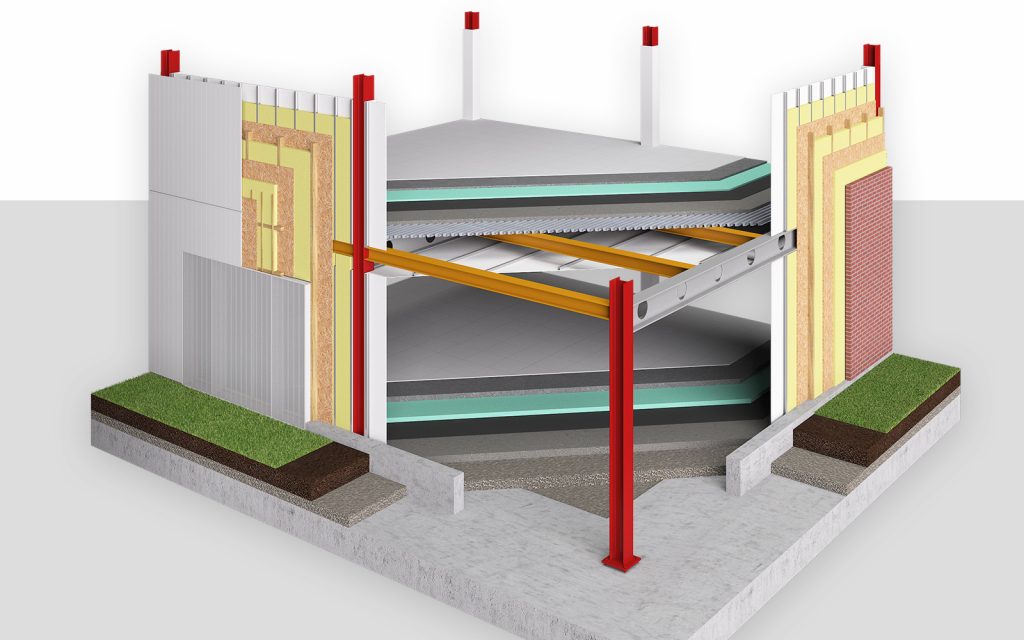
What is Dry Construction?
Dry construction, also known as non-load bearing construction or cold framing, is a building method that involves constructing buildings without relying on traditional load-bearing walls. Instead, the structure is supported by beams and columns that are anchored to the ground, creating a lightweight and flexible framework.
This innovative approach has been around for centuries, but its popularity grew significantly in the early 20th century with the development of new materials like steel and aluminum. These materials enabled builders to create lighter, stronger structures that could withstand earthquakes and other extreme weather conditions.
Benefits of Dry Construction
A well-designed dry construction system offers numerous benefits, including:
- Energy Efficiency: Dry construction allows for better insulation, reducing heat loss in winter and heat gain in summer. This leads to significant energy savings over time.
- Durability: The lightweight structure is less prone to damage from earthquakes and other natural disasters. Buildings constructed with dry construction methods can withstand severe weather conditions without sustaining significant damage.
- Cost-Effectiveness: Dry construction can be more economical than traditional methods, especially when combined with sustainable materials. This approach also reduces waste generation during the construction process.
- Flexibility: Dry construction allows for greater flexibility in building design and layout. The lack of load-bearing walls enables builders to create open spaces and innovative layouts that would be difficult or impossible to achieve with traditional construction methods.
History of Dry Construction
While dry construction has been around for centuries, its popularity grew significantly in the early 20th century. The development of new materials like steel and aluminum enabled builders to create lighter, stronger structures that could withstand earthquakes and other extreme weather conditions.
In the United States, dry construction gained widespread acceptance during World War II. As the military required large numbers of temporary housing units quickly, builders turned to dry construction methods to meet the demand. This approach allowed for rapid construction of buildings that were both durable and affordable.
Case Study: The Emilia-Romagna Region
In 2012, the Emilia-Romagna region was hit by a devastating earthquake that left thousands of homes damaged or destroyed. In response, local authorities turned to dry construction as a way to quickly rebuild homes while minimizing waste and environmental impact. The results were impressive: many buildings were completed in record time with minimal cost overruns.
The success of the Emilia-Romagna project demonstrated the potential of dry construction to address pressing social needs while promoting sustainability and efficiency. As the building industry continues to evolve, it’s clear that dry construction is becoming an increasingly important consideration for builders, architects, and homeowners alike.
Why Dry Construction Matters
As the building industry continues to evolve, dry construction is becoming an increasingly important consideration for builders, architects, and homeowners alike. With its numerous benefits and growing popularity, it’s clear that this innovative method is here to stay.
Dry construction offers a unique combination of efficiency, sustainability, and flexibility that sets it apart from traditional building methods. By adopting dry construction techniques, builders can create structures that are not only durable and affordable but also environmentally friendly and adaptable to changing needs.
The Future of Building
So what does the future hold for dry construction? As technology advances and sustainable materials become more widely available, we can expect to see even more exciting developments in this field. Whether you’re a seasoned builder or just starting out, it’s worth keeping an eye on this rapidly evolving industry.
In the years ahead, dry construction is likely to play an increasingly important role in shaping the future of building. As architects, builders, and homeowners seek innovative solutions to pressing social and environmental challenges, dry construction will continue to offer a compelling answer.
Frequently Asked Questions
Q: Is dry construction suitable for all types of buildings?
A: While dry construction is versatile and can be applied to various building types, it may not be the best choice for every project. Factors like local building codes, climate, and site conditions should be considered before deciding on a dry construction method.
Q: What are some common materials used in dry construction?
A: Dry construction often employs lightweight materials like steel, aluminum, wood, and insulating foam board. These materials provide structural support while minimizing weight and environmental impact.
Q: Can dry construction be used for building new homes or only for retrofitting existing structures?
A: Both! Dry construction can be applied to new home construction as well as retrofitting existing buildings. In fact, many builders prefer the latter approach since it often requires less demolition work.
Q: Are there any limitations or challenges associated with dry construction?
A: Yes, like any building method, dry construction has its limitations and challenges. For example, it may require specialized labor and equipment, and certain materials can be expensive. Additionally, dry construction relies on proper design and execution to ensure structural integrity.
Q: How does dry construction compare to traditional building methods in terms of cost?
A: The cost-effectiveness of dry construction depends on various factors such as material choices, labor costs, and project complexity. In general, dry construction can be more economical than traditional methods, especially when factoring in energy efficiency gains over time.
Q: Can dry construction help reduce the environmental impact of building?
A: Absolutely! By minimizing waste, using sustainable materials, and optimizing energy efficiency, dry construction can significantly reduce a project’s ecological footprint.


