
As the world shifts towards renewable energy sources, solar panels have become an increasingly popular choice for homeowners and businesses alike. However, maximizing their performance requires more than just installing a panel or two – it demands a comprehensive understanding of the factors that influence their output.
In this article, we’ll delve into the world of solar panel optimization, exploring the most effective ways to boost your system’s efficiency and increase energy production. Whether you’re a seasoned pro or just starting out, these expert tips will help you unlock the full potential of your solar panels and reduce your reliance on traditional energy sources.
Understanding the Factors Affecting Solar Panel Performance
Before we dive into the nitty-gritty of optimization, it’s essential to grasp the fundamental factors that impact solar panel performance. These include:
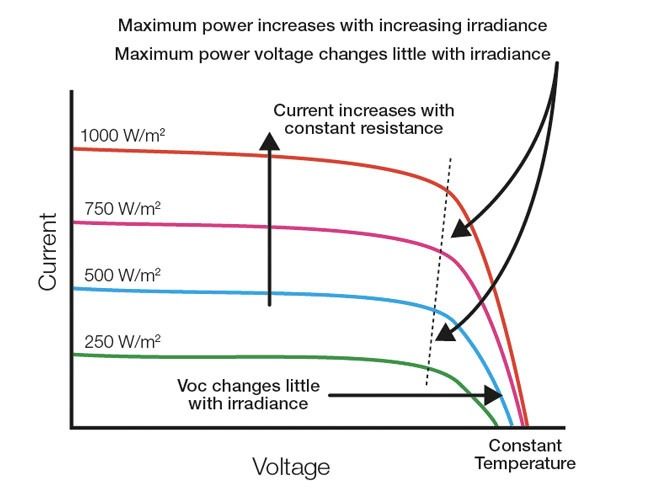
- Exposure: The amount of sunlight your panels receive directly affects their output.
- Temperature: High temperatures can significantly reduce efficiency, while low temperatures can slow down energy production.
- Maintenance: Regular cleaning and inspections are crucial for maintaining optimal performance.
I. Ensuring Proper Exposure
To maximize energy output, it’s vital to ensure your solar panels receive the right amount of sunlight. This involves:
- Assessing Insolation: Evaluate the intensity of sunlight in your area using tools like the National Renewable Energy Laboratory’s (NREL) Solar Irradiance Map.
- Avoiding Ombre: Identify and address any shading issues, such as tree branches or buildings, that might be blocking sunlight from reaching your panels.
- Optimizing Panel Angle: Adjust the angle of your panels to ensure they’re facing the sun at the optimal position (usually between 9 am and 3 pm).
II. Managing Temperature
Temperature plays a significant role in solar panel performance. By understanding how temperature affects efficiency, you can take steps to mitigate its impact:
- Monitoring Panel Temperatures: Use thermocameras or other monitoring tools to track temperatures during installation and maintenance.
- Sizing Systems for Higher Temperatures: Design your system with higher ambient temperature considerations in mind (typically around 40°C/104°F).
- Shading Reduction Strategies: Implement techniques like using shaded panels, adjusting panel orientation, or employing shading reduction devices to minimize the impact of high temperatures.
III. Maintaining Optimal Performance
Regular maintenance is crucial for ensuring your solar panel system operates at peak efficiency:
- Cleaning and Inspections: Schedule regular cleanings and inspections to address potential issues before they become major problems.
- Addressing Electrical Issues: Promptly investigate and resolve any electrical faults or malfunctions that might be affecting performance.
- Ensuring Proper System Configuration: Verify your system’s configuration is optimized for maximum energy production.
IV. Leveraging Advanced Technologies
Stay ahead of the curve with cutting-edge technologies designed to enhance solar panel efficiency:
- Bifacial Panels: Explore bifacial panels, which can harness energy from both sides, increasing overall output.
- Inverter Systems: Invest in advanced inverter systems that optimize energy production and reduce waste.
- Smart Monitoring Systems: Utilize smart monitoring systems to track performance, detect issues, and receive real-time insights.
V. Energy Storage Solutions
Consider incorporating energy storage solutions to maximize the benefits of your solar panel system:
- Battery Banks: Install battery banks to store excess energy generated during peak hours for use during periods of low energy production.
- Power Conditioning Systems: Utilize power conditioning systems to regulate energy flow and ensure a stable supply of electricity.
VI. Building-Integrated Photovoltaics (BIPV)
Integrate solar panels into your building design with BIPV solutions:
- Roof-Integrated Panels: Use roof-integrated panels to harness energy from your rooftop while maintaining its structural integrity.
- Window-Based Systems: Implement window-based systems that integrate solar panels into your windows, providing both energy production and aesthetic appeal.
Conclusion
By implementing these expert tips and staying informed about the latest advancements in solar panel technology, you’ll be able to unlock the full potential of your system and maximize energy output. Whether you’re a seasoned pro or just starting out, it’s essential to prioritize optimization to ensure a sustainable future for your business or home.
Frequently Asked Questions
- What is the most effective way to optimize solar panel performance?
- A combination of regular maintenance, ensuring proper exposure, managing temperature, and leveraging advanced technologies.
- How often should I clean my solar panels?
- It’s recommended to clean your panels at least once a year, or more frequently in areas with high levels of pollution or debris.
- Can I increase my solar panel system’s efficiency by using a different type of inverter?
- Yes, certain inverters can optimize energy production and reduce waste, but it’s essential to consult with a professional to determine the best solution for your specific needs.


