
As a society, we have become increasingly aware of the importance of reducing our environmental footprint. One area where we can make a significant impact is in the proper disposal of used cooking oil. In this article, we will explore the benefits of proper disposal, the challenges associated with it, and provide guidance on how to correctly manage your used cooking oil.
The Problem: Used Cooking Oil as an Environmental Hazard
Used cooking oil, also known as used frying oil, is a byproduct of the culinary industry. It can be found in households, restaurants, cafes, and food establishments across the globe. However, if not disposed of properly, it can pose significant environmental risks.
According to estimates from the Ministry of Health and CONOE, over 1.4 million tons of vegetable oil are consumed annually in Italy alone. This large volume of used cooking oil can lead to environmental pollution if not managed correctly.
The Consequences of Improper Disposal
Improper disposal of used cooking oil can have severe consequences on the environment. When poured down drains or into sewage systems, it can contaminate waterways and harm aquatic life. Additionally, when burned, it can release toxic fumes that contribute to air pollution.
To mitigate these risks, used cooking oil must be disposed of in a responsible manner.
The Legislated Approach: Classification and Regulations
In Italy, the use of used cooking oil as a fuel source is regulated by law. According to the EU Directive 2008/98/CE, used cooking oil is classified as a non-hazardous waste (EWC code CER 200125). However, it must not be disposed of in an unauthorized manner.
The Italian Environmental Code (Dlgs 152/2006) sets out specific guidelines for the management of hazardous and non-hazardous waste. While used cooking oil is classified as a non-hazardous waste, it must still be handled with care to prevent environmental contamination.
The Importance of Proper Disposal
Proper disposal of used cooking oil is essential to protect the environment. The use of this oil as a fuel source can lead to significant air and water pollution if not managed correctly.
To put this into perspective, even small amounts of used cooking oil can have a devastating impact on aquatic life. For example, when poured down drains or into sewage systems, it can contaminate waterways and harm fish populations.
Can Used Cooking Oil be Reused?
Recent studies have shown that reusing the same cooking oil for multiple frying sessions can lead to health risks. According to our research, you can find more information on this topic by visiting our webpage: [www webpage].
How to Properly Dispose of Used Cooking Oil
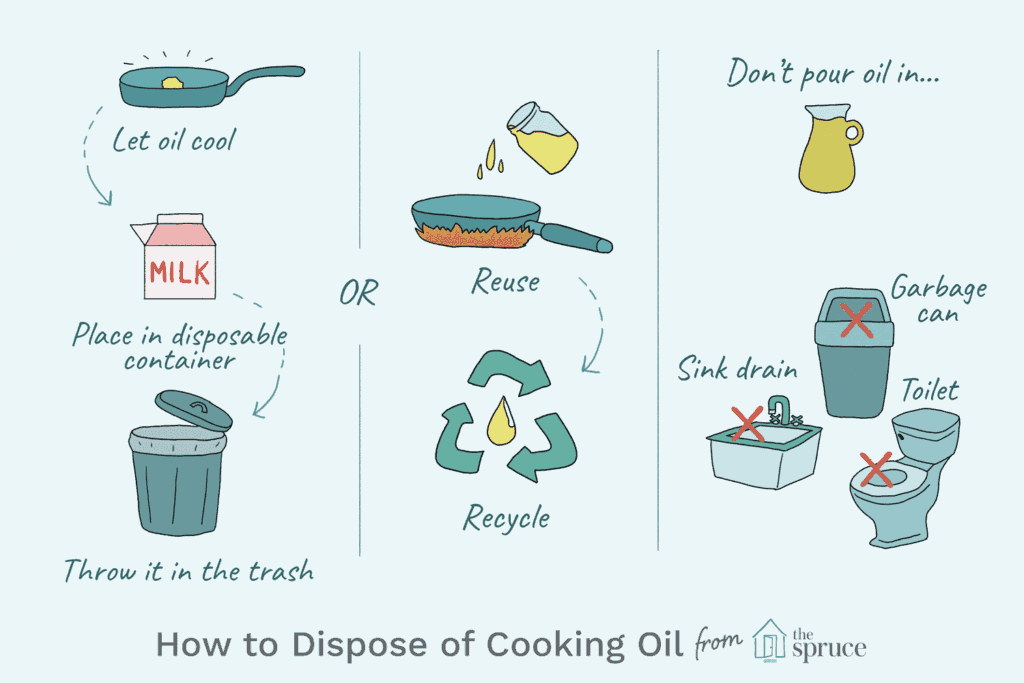
Proper disposal of used cooking oil is easier than you think. Here are some simple steps to follow:
- Collect the oil: Use an appropriate container to collect the used cooking oil, such as a large bottle or jar with a wide mouth.
- Label the container: Clearly label the container with its contents and date of collection.
- Take it to a recycling center: Find a local recycling center that accepts used cooking oil for disposal.
Additional Tips
- Use a container that is easy to transport and store.
- Keep the container clean and free of debris.
- Follow local guidelines for used cooking oil disposal.
By following these simple steps, you can help reduce your environmental impact and contribute to a more sustainable future. Remember, proper disposal of used cooking oil is everyone’s responsibility!
Benefits of Proper Disposal
Proper disposal of used cooking oil offers several benefits, including:
- Reduced environmental pollution: By disposing of used cooking oil in a responsible manner, we can reduce the risk of contamination and harm to aquatic life.
- Conservation of natural resources: Reusing or recycling used cooking oil can help conserve natural resources, such as water and energy.
- Improved public health: Proper disposal of used cooking oil can also contribute to improved public health by reducing the risk of health risks associated with improper disposal.
Challenges Associated with Proper Disposal
Despite the benefits of proper disposal, there are several challenges associated with it. Some of these challenges include:
- Lack of awareness: Many people are unaware of the importance of proper disposal and may not know where to take their used cooking oil.
- Limited recycling options: In some areas, there may be limited recycling options for used cooking oil, making it difficult for individuals to dispose of it properly.
- Economic barriers: Some individuals or businesses may not have access to recycling facilities or may find the process too expensive.
Conclusion
Proper disposal of used cooking oil is essential to protect the environment and contribute to a more sustainable future. By understanding the importance of proper disposal, following simple steps to dispose of used cooking oil correctly, and addressing challenges associated with it, we can make a significant impact on reducing environmental pollution and conserving natural resources.
FAQs
- What happens to used cooking oil that is disposed of improperly?
Used cooking oil that is disposed of improperly can contaminate waterways and harm aquatic life. - Can used cooking oil be reused for multiple frying sessions?
No, reusing the same cooking oil for multiple frying sessions can lead to health risks. - How do I properly dispose of used cooking oil in my area?
Find a local recycling center that accepts used cooking oil for disposal and follow their guidelines. - Is it safe to burn used cooking oil?
No, burning used cooking oil releases toxic fumes that contribute to air pollution. - Can I dispose of used cooking oil in the trash?
No, used cooking oil should not be disposed of in the trash, as it can contaminate landfills and harm the environment. - What is the best way to transport used cooking oil for disposal?
Use a container that is easy to transport and store, such as a large bottle or jar with a wide mouth. - Can I dispose of used cooking oil at home?
Yes, you can collect and dispose of used cooking oil at home using an appropriate container and following local guidelines.
By understanding the importance of proper disposal and taking action to manage your used cooking oil correctly, you can contribute to a more sustainable future for our planet.


