
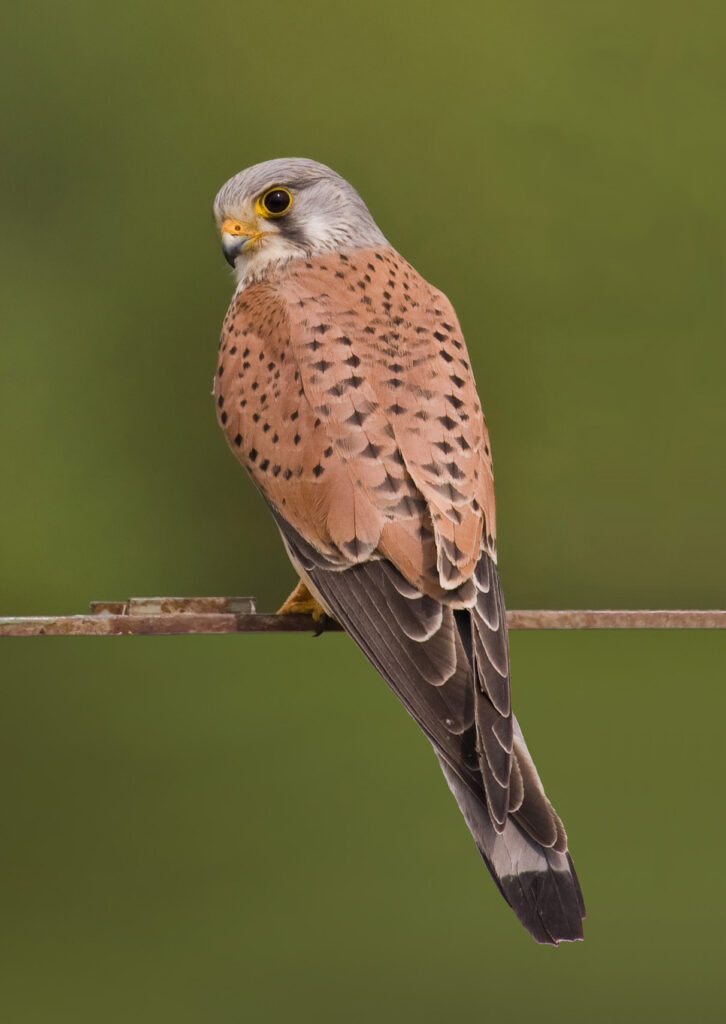
As we walk through the woods or strolling along a quiet urban street, we often catch glimpses of small, swift birds flitting about. Among these is the pigeon, a common sight in many parts of the world, including Europe, Asia, Africa, and even our own backyards. But what makes this bird so unique? The pigeon has been a part of human history for thousands of years, with evidence of domestication dating back to ancient civilizations. In this article, we will delve into the fascinating world of pigeons, exploring their characteristics, habits, and behaviors in both forests and urban areas.
Understanding Pigeon Characteristics
The pigeon, also known as the feral pigeon or rock dove, is a small to medium-sized bird with a distinctive appearance. Its wings are broad and rounded, with a pointed tail and strong legs. The species is found in various colors, including gray, brown, and white, depending on the subspecies.
One of the most notable features of pigeons is their size. They typically measure between 40-60 cm (16-24 in) in length, with an average weight of around 300 grams (11 oz). Pigeons are known for their striking silhouette, particularly during flight, when their wings appear as broad, flat sheets.
Pigeons also have a unique way of communicating. They use a range of coos and grunts to convey information about food sources, potential threats, and social interactions. This complex vocalization system allows pigeons to maintain large flocks in urban areas and rural landscapes alike.
Habitat and Distribution
Pigeons can be found on every continent except Antarctica. They thrive in a wide range of environments, from forests to urban areas, and even agricultural fields. In Europe, they are common visitors to parks and gardens, particularly in areas with an abundance of food sources.
In North America, pigeons have adapted to city living, often inhabiting tall buildings and skyscrapers. These birds are known for their ability to thrive in the midst of human activity, exploiting whatever food sources are available.
Pigeons also play a significant role in ecosystems around the world. In Africa, they help control insect populations by consuming large quantities of flies and other pests. In Asia, pigeons have been used as messengers and couriers for centuries, particularly during times of war and conflict.
Breeding and Reproduction
Pigeons are social birds that breed throughout the year. They form monogamous pairs, with males engaging in elaborate courtship displays to attract females. Once paired, the male pigeon will construct a nest using twigs, grasses, and other materials, while the female lays 1-2 eggs.
After incubation, the eggs hatch after about two weeks, and both parents take turns feeding the young. The chicks leave the nest after around four weeks, but may still rely on their parents for food until they are fully grown.
Pigeons also exhibit complex social behavior, particularly in urban areas where flocks can number in the thousands. These birds have been known to form hierarchies and engage in agonistic behaviors, such as chasing and pecking, when competing for resources or mates.
Diet and Hunting Behavior
Pigeons are opportunistic feeders, consuming a wide variety of food sources including seeds, fruits, insects, and even small vertebrates. They are skilled hunters, using their exceptional eyesight to detect prey from great distances.
In urban areas, pigeons often scavenge for food in trash cans and garbage bins. In the wild, they hunt on foot, using their strong legs to chase down unsuspecting insects or small animals.
Pigeons also have a unique way of eating, using their beaks to peck at seeds and grains on the ground. They can consume large quantities of food in a short amount of time, making them efficient foragers in both urban and rural environments.
Training and Handling
Pigeon training is an ancient practice, with evidence of pigeon racing dating back thousands of years. Modern pigeon breeding programs focus on selecting birds with desirable traits such as speed, agility, and intelligence.
To train a pigeon, one must establish trust and create a positive association between the bird and its handler. This can be achieved through consistent feeding schedules, gentle handling, and patient training exercises.
Pigeon training requires patience, dedication, and a deep understanding of the bird’s behavior and psychology. Experienced handlers use techniques such as clicker training and positive reinforcement to teach pigeons new behaviors and commands.
Conservation Status
Pigeons are considered an invasive species in many parts of the world, particularly where they have been introduced to non-native ecosystems. While they do not pose a significant threat to native species, their presence can disrupt local food chains and cause economic losses through crop damage and property degradation.
Efforts are being made to control pigeon populations through humane methods such as sterilization and relocation. However, more research is needed to fully understand the impact of pigeons on ecosystems and to develop effective conservation strategies.
In addition to population control, there are also efforts underway to promote sustainable coexistence between humans and pigeons. In cities around the world, residents are working with local governments to establish bird-friendly habitats and reduce waste that attracts pigeons.
FAQs
- What do pigeons eat?
Pigeons are omnivores, consuming a wide variety of food sources including seeds, fruits, insects, and small vertebrates. - How do pigeons fly?
Pigeons have broad, rounded wings that allow them to fly with remarkable agility and maneuverability. - Can I keep a pigeon as a pet?
Yes, but be sure to research local laws and regulations regarding pigeon ownership. Pigeon training requires patience, consistency, and gentle handling. - Are pigeons smart birds?
Pigeons are considered intelligent birds, known for their ability to recognize humans and respond to commands. - Why are pigeons a problem in cities?
Pigeons can be a nuisance in urban areas due to their droppings, noise, and potential for disease transmission.
By understanding these characteristics, habits, and behaviors, we can better appreciate the pigeon’s place in our world and take steps to ensure their continued well-being. Whether you live in a bustling city or a rural landscape, pigeons are an integral part of our shared ecosystem, and their presence is a reminder of the complex relationships between humans, animals, and the environment.
Conclusion
The pigeon is a remarkable bird species that has captured human imagination for centuries. From its incredible adaptability to its impressive intelligence, this humble bird has earned its place as one of the most fascinating creatures in the natural world.
By studying pigeons, we can gain insights into their behavior, ecology, and conservation status. We can also learn from their remarkable ability to thrive in a wide range of environments, from forests to urban areas.
As we move forward, it is essential that we work towards creating a more harmonious coexistence between humans and pigeons. By promoting sustainable practices, protecting habitats, and engaging with local communities, we can ensure the long-term health and well-being of these remarkable birds.
In the end, the pigeon is more than just a species – it’s a symbol of resilience, adaptability, and the enduring power of life in all its forms.


