
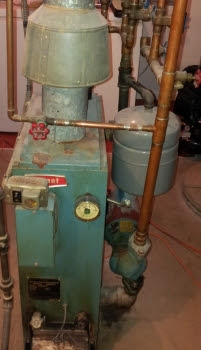
As a homeowner, it’s essential to understand the importance of regular water heater maintenance. A well-maintained water heater can save you money on your energy bills and prevent costly repairs. In this article, we’ll discuss the key aspects of water heater maintenance and provide tips on how to identify common issues.
The Importance of Regular Maintenance
A properly maintained water heater ensures efficient operation, prevents breakdowns, and extends its lifespan. Neglecting regular maintenance can lead to reduced efficiency, increased energy bills, and even safety hazards. A well-maintained water heater also helps prevent the buildup of corrosive substances, such as lime scale, which can damage your plumbing system.
Regular maintenance is crucial because it:
- Prevents corrosion and wear on internal components
- Reduces the risk of leaks and water damage
- Saves you money on energy bills by optimizing heating performance
- Extends the lifespan of your water heater, reducing the need for premature replacements
Identifying Common Issues with Your Water Heater
When dealing with a leaky water heater, it’s challenging to pinpoint the cause. The most common culprits include:
- Metal dilatation due to filettature not perfectly secured: This occurs when the metal components of your water heater expand and contract unevenly, leading to cracks or gaps in the system.
- Failure of pump impuntamenti or other internal components: Over time, the moving parts inside your water heater can wear out, causing inefficiencies and reducing its lifespan.
- Faulty valve operation: The valves that regulate water flow into and out of your water heater can fail, leading to leaks, reduced performance, and safety hazards.
These issues can be addressed through regular maintenance and inspections. By identifying and addressing these common problems early on, you can prevent costly repairs and ensure your water heater operates efficiently and safely.
The Role of Water Pressure in Your Water Heater
Water pressure plays a crucial role in your water heater’s performance. If the pressure is too low, it can cause the radiators to malfunction, leading to reduced efficiency and increased energy bills. Conversely, high water pressure can lead to wear and tear on the system, causing premature failure.
Regularly checking the pressure of your water heater ensures proper function and prevents costly repairs. A well-maintained water heater should have a consistent pressure between 30-80 psi (pounds per square inch). If you notice any changes in pressure, it’s essential to investigate and address the issue promptly.
The Impact of Calcium Deposits
Calcium deposits in your water heater’s internal components can lead to decreased efficiency and eventually blockages. These deposits form when minerals in your water react with the metal components, creating a buildup that reduces flow rates and increases energy consumption.
Checking for signs of mineral buildup is essential to maintain optimal performance. Look for:
- Reduced hot water pressure
- Decreased efficiency
- Increased energy bills
- Visible buildup on internal components
Temperature Control: The Key to Efficient Heating
A well-functioning thermostat (or cronostermostat) ensures precise temperature control, which is critical for efficient heating. Make sure to check the batteries in your thermostat regularly to avoid any disruptions.
Regularly checking the thermostat’s accuracy can:
- Ensure optimal temperature control
- Reduce energy consumption by preventing overheating or underheating
- Prevent damage to internal components due to excessive temperatures
Checking Your Valves and Pipes
Regularly checking valves and pipes is essential to prevent incrustation and other issues. Performing this task twice a year helps maintain the overall health of your water heater system.
To check your valves and pipes:
- Look for signs of mineral buildup or corrosion
- Inspect the valve stems and seat for wear or damage
- Check the pipe connections for loose fittings or signs of incrustation
Additional Tips and Reminders
In conclusion, regular maintenance is crucial for maintaining your water heater’s efficiency and longevity. By identifying common issues, adjusting your thermostat, checking valves, and addressing mineral buildup, you can enjoy:
- Reduced energy bills
- Improved heating performance
- Increased lifespan
- Enhanced safety
By prioritizing your water heater’s maintenance needs, you’ll be able to make informed decisions about its upkeep.
Common Water Heater Maintenance Mistakes
To ensure you’re maintaining your water heater effectively, avoid the following common mistakes:
- Neglecting regular inspections: Regularly checking for signs of wear, corrosion, or mineral buildup can prevent costly repairs.
- Ignoring low-pressure warnings: Failing to address low-pressure issues can lead to reduced efficiency and increased energy bills.
- Overlooking faulty valve operation: Ignoring faulty valves can lead to leaks, reduced performance, and safety hazards.
FAQs
- What is the most common issue with a leaky water heater?
The most common cause of leaks in a water heater is metal dilatation due to filettature not perfectly secured. - How often should I check my thermostat’s batteries?
You should check your thermostat’s batteries every 6-12 months, or as recommended by the manufacturer. - What are some signs of mineral buildup in my water heater?
Signs of mineral buildup include reduced efficiency, decreased performance, and blockages. - How often should I inspect my pipes for incrustation?
You should perform a pipe inspection at least twice a year to prevent incrustation and other issues. - Can I do it myself or should I call a professional?
It’s highly recommended that you hire a professional to perform maintenance tasks if you’re unsure about any aspect of water heater maintenance.
By understanding the importance of regular maintenance, identifying common issues, and following these tips and reminders, you can ensure your water heater operates efficiently, safely, and effectively.


