
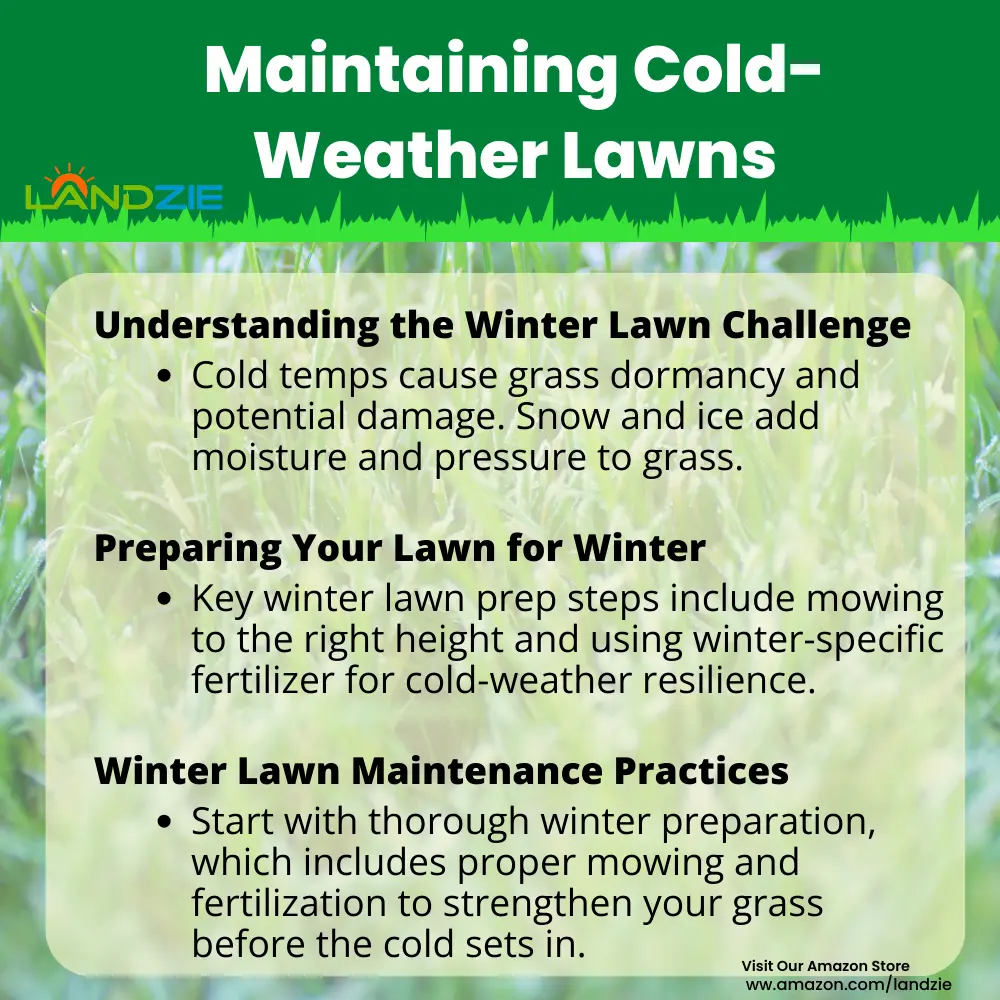
As the temperatures drop and the winter months approach, it’s essential to maintain your lawn properly to ensure it remains healthy and green throughout the year. Neglecting your lawn during this period can lead to problems such as ingrown weeds, moss growth, and soil compaction.
The Importance of Winter Lawn Care
While many people believe that lawns are dormant during the winter months, this couldn’t be further from the truth. In reality, lawns still require regular maintenance to prevent damage and maintain their overall health. By following a few simple steps, you can help your lawn thrive even in the harsh winter conditions.
Preparing Your Lawn for Winter
As the autumn season comes to an end, it’s essential to prepare your lawn for the winter months. Here are some key tasks to perform:
- Remove any remaining leaves from your lawn to prevent smothering and promote healthy growth.
- Prune any surrounding plants or trees to allow more sunlight to reach your lawn.
- If there is snow on your lawn, avoid walking on it as this can compact the soil and cause damage.
Winter Lawn Maintenance
Once the winter months have begun, there are a few key tasks to perform:
- Reduce mowing: With the shorter days and colder temperatures, it’s essential to reduce mowing to once every 6-8 weeks.
- Avoid using too much fertilizer: Excessive fertilization can cause damage to your lawn in the cold winter months. Instead, opt for a balanced fertilizer applied at the correct time of year.
- Keep an eye out for pests: During the winter months, pests like aphids and slugs are more likely to appear on your lawn.
The Importance of Drying Out
Droughts can be detrimental to lawns. When your lawn has been saturated with water it will have dried out quickly, so make sure to only mow when necessary. Also, consider the fact that rain helps in soil erosion and healthy plants but overwatering is bad for your grass.
Preventing Moss Growth
Moss growth can be a significant problem on lawns during the winter months. To prevent moss from growing, ensure your lawn receives enough sunlight, especially during the winter months. Additionally, consider using a moss killer or moss preventative to keep your lawn healthy and free of moss.
The Benefits of Airing Out
Airing out is an essential step in maintaining a healthy lawn throughout the winter months. By creating small holes in the ground, you can improve drainage, reduce soil compaction, and promote healthy root growth.
Conclusion
Maintaining a healthy lawn throughout the winter months requires attention to detail and regular maintenance. By following these simple steps, you can help your lawn thrive even in the harsh winter conditions. So why not take control of your lawn’s health today?
Frequently Asked Questions:
- How often should I mow my lawn during the winter months?
- Reduce mowing to once every 6-8 weeks to prevent damaging your lawn.
- What is the best way to prevent moss growth on my lawn?
- Ensure your lawn receives enough sunlight, especially during the winter months.
- How can I improve drainage in my lawn during the winter months?
- Create small holes in the ground and fill them with soil or sand for better drainage.
- What is the best fertilizer to use on my lawn during the winter months?
- Opt for a balanced fertilizer applied at the correct time of year.
- How can I prevent pests from appearing on my lawn during the winter months?
- Keep an eye out for signs of pests and take action promptly if necessary.
Additional Tips:
- Avoid using too much fertilizer, as excessive fertilization can cause damage to your lawn in the cold winter months.
- Consider applying a moss killer or moss preventative to keep your lawn healthy and free of moss.
- Regularly inspect your lawn for signs of pests, diseases, or other issues that may require attention.
Winter Lawn Care Tips:
- Use a snow blower to clear the lawn: A snow blower can help remove snow from your lawn, preventing damage to plants and flowers.
- Aerate your lawn: Aerating your lawn in the winter months can improve drainage, reduce soil compaction, and promote healthy root growth.
- Apply a winter fertilizer: Applying a balanced fertilizer at the correct time of year can help keep your lawn healthy and green throughout the winter months.
Common Winter Lawn Problems:
- Moss growth: Moss can be a significant problem on lawns during the winter months. To prevent moss from growing, ensure your lawn receives enough sunlight.
- Soil compaction: Soil compaction can cause problems for lawns during the winter months. Regularly aerating your lawn can help improve drainage and reduce soil compaction.
- Pests: Pests like aphids and slugs are more likely to appear on lawns during the winter months.
Conclusion
Maintaining a healthy lawn throughout the winter months requires attention to detail and regular maintenance. By following these simple steps, you can help your lawn thrive even in the harsh winter conditions. So why not take control of your lawn’s health today?
By understanding the importance of winter lawn care and taking proactive steps to maintain a healthy lawn, you can enjoy a beautiful green lawn all year round.
Additionally, here are some general tips for maintaining a healthy lawn:
- Maintain proper soil pH: The ideal soil pH range is between 6.0 and 7.0.
- Water deeply but infrequently: Watering your lawn deeply but less frequently can help promote deep root growth.
- Mow at the right height: Mowing your lawn at the correct height can help prevent weed growth and promote healthy growth.
By following these tips, you can create a beautiful and healthy lawn that will thrive even in the harsh winter conditions.


