
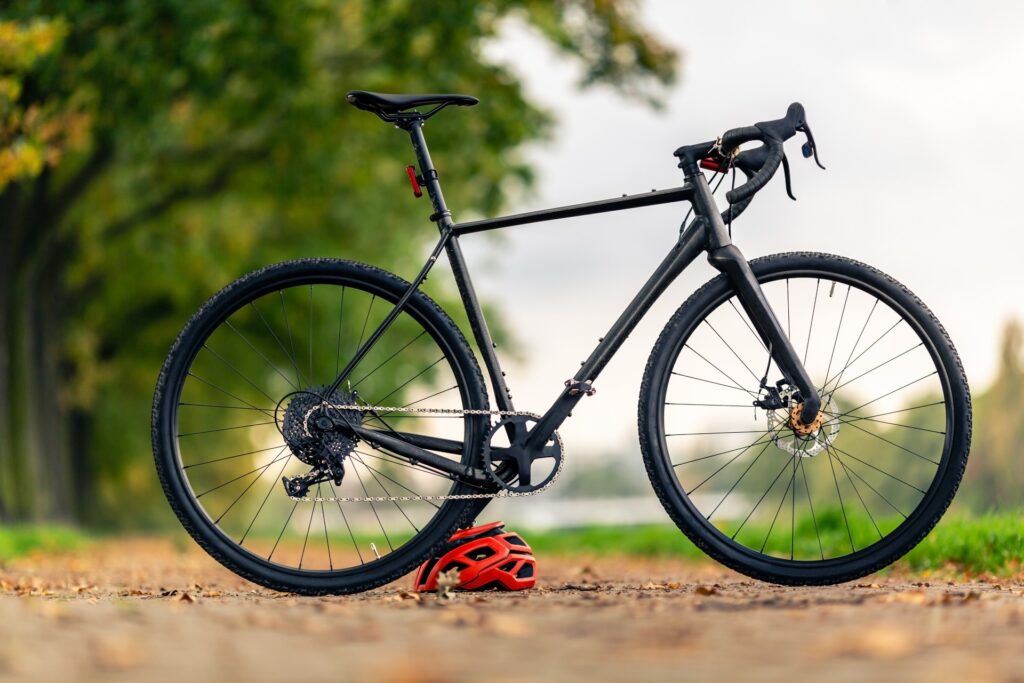
As an avid cyclist, finding the perfect mountain bike can be a daunting task. With so many options available in the market, it’s essential to know what you’re looking for and make an informed decision. In this article, we’ll delve into the world of mountain bikes, exploring the different types, features, and considerations to help you choose the right one for your needs.
Understanding Mountain Bike Types
When it comes to mountain bikes, there are several types to consider:
- Cross-Country (XC) Bikes: Designed for endurance riding on smooth trails, XC bikes feature a sleek design, lightweight frames, and narrow tires. These bikes are ideal for riders who enjoy long, fast rides on well-marked trails.
- Trail Bikes: A versatile option, trail bikes cater to riders who enjoy both smooth and technical terrain. They typically have a more upright riding position and wider tires. Trail bikes are suitable for riders who want a bike that can handle a variety of terrain with ease.
- Downhill (DH) Bikes: Built for high-speed descents on steep, rocky terrain, DH bikes feature sturdy frames, wide tires, and advanced suspension systems. These bikes are designed for experienced riders who enjoy the thrill of speed and technical trails.
- Enduro Bikes: A hybrid of XC and DH bikes, enduros are designed for all-mountain riding. They offer a balance of efficiency and stability, making them ideal for riders who want to tackle a variety of terrain with ease.
Key Features to Consider
When selecting a mountain bike, keep the following features in mind:
- Frame Material: Aluminum, carbon fiber, or steel – each offers unique benefits and drawbacks. Carbon fiber frames are lightweight and offer excellent durability, while aluminum frames provide a balance between weight and affordability.
- Suspension System: Front suspension, rear suspension, or full-suspension – choose based on your riding style and terrain preferences. Suspension systems help absorb shock and improve traction, making them essential for mountain biking.
- Tire Width and Type: Wider tires provide more traction, while narrower tires offer better efficiency. The ideal tire width depends on your riding style, terrain, and personal preference.
- Gearing: A wide-range drivetrain ensures you can tackle various terrain with ease. Consider your riding style, terrain preferences, and budget when selecting a gearing system.
Riding Style and Terrain
Your riding style and preferred terrain will significantly impact your bike choice:
- Aggressive Riders: Downhill or enduro bikes are ideal for those who enjoy high-speed descents and technical trails. These bikes feature sturdy frames, wide tires, and advanced suspension systems.
- Endurance Enthusiasts: Cross-country or trail bikes suit riders who prioritize long, smooth rides. These bikes feature lightweight frames, narrow tires, and efficient gearing systems.
Comfort and Control
A comfortable ride is essential for extended periods of cycling:
- Upright Riding Position: Trail or all-mountain bikes often feature a more upright design, promoting better control and comfort.
- Adjustable Geometry: Look for bikes with adjustable geometry to ensure a perfect fit for your riding style.
- Climbing Features: Some mountain bikes feature specific climbing features, such as a low center of gravity or a steep head tube angle, which can make it easier to tackle challenging terrain.
Budget and Investment
Investing in a high-quality mountain bike is essential:
- Entry-Level Bikes: Affordable options for beginners or casual riders. Entry-level bikes often feature lightweight frames, narrow tires, and simple gearing systems.
- Mid-Range Bikes: Balance quality and price, offering features for intermediate riders. Mid-range bikes may feature upgraded components, such as suspension systems or wider tires.
- High-End Bikes: Top-of-the-line models featuring advanced technology and premium materials. High-end bikes often feature cutting-edge suspension systems, high-performance gearing, and lightweight frames.
Conclusion
Choosing the right mountain bike requires careful consideration of your riding style, terrain preferences, and budget. By understanding the different types, features, and factors involved, you can make an informed decision and find a bike that meets your needs. Remember to consult with experts, test ride bikes, and prioritize comfort and control for a perfect cycling experience.
Frequently Asked Questions
- What is the difference between cross-country and trail mountain bikes?
Cross-country bikes are designed for endurance riding on smooth trails, while trail bikes cater to riders who enjoy both smooth and technical terrain. - How do I choose the right suspension system for my mountain bike?
Front suspension, rear suspension, or full-suspension – consider your riding style, terrain preferences, and budget when selecting a suspension system. - What is the best tire width for my mountain bike?
Wider tires provide more traction, while narrower tires offer better efficiency. The ideal tire width depends on your riding style, terrain, and personal preference. - How do I determine the right gearing for my mountain bike?
A wide-range drivetrain ensures you can tackle various terrain with ease. Consider your riding style, terrain preferences, and budget when selecting a gearing system. - What is the difference between downhill and enduro mountain bikes?
Downhill bikes are designed for high-speed descents on steep, rocky terrain, while enduros are hybrid bikes suitable for all-mountain riding. - How do I prioritize comfort and control in my mountain bike?
A comfortable ride is essential for extended periods of cycling. Look for bikes with adjustable geometry, upright riding positions, and features that promote better control and comfort. - What is the best way to determine my budget for a mountain bike?
Entry-level bikes are affordable options for beginners or casual riders, while mid-range bikes balance quality and price. High-end bikes feature advanced technology and premium materials. - How do I know if I need a high-end mountain bike?
If you’re an experienced rider who demands the best performance, features, and durability, a high-end mountain bike might be suitable for you.
Additional Tips
- Test Ride: Test ride different bikes to get a feel for their handling, comfort, and overall performance.
- Expert Advice: Consult with experts at local bike shops or online forums to get personalized advice on selecting the right mountain bike for your needs.
- Maintenance: Regular maintenance is essential for extending the life of your mountain bike. Learn basic repair techniques and schedule regular tune-ups to keep your bike in top condition.
By following these tips and considerations, you can find the perfect mountain bike that meets your riding style, terrain preferences, and budget. Happy trails!


