
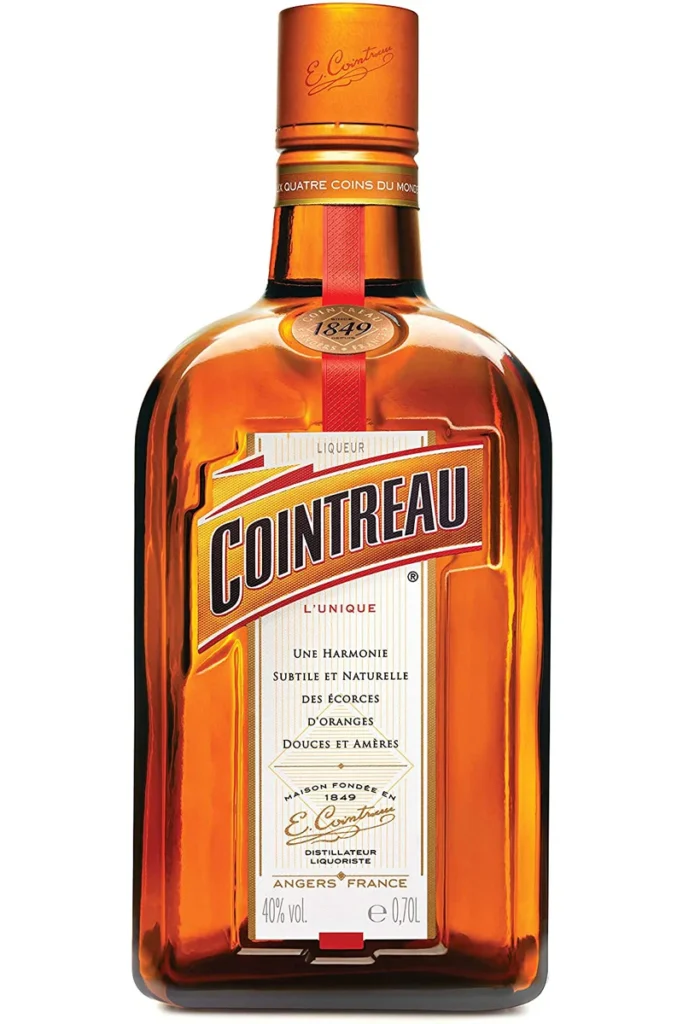
Lemon-bitter liquor, also known as amaro, is a type of spirit that originated in Italy. It’s made from the peels of citrus fruits, such as lemons or oranges, and is characterized by its bitter taste. The lemon-bitter liquor we’ll be making today is called “liquore all’arancia” in Italian, which translates to “lemon-bitter liquor” in English.
The Benefits of Drinking Lemon-Bitter Liquor
Lemon-bitter liquor has been shown to have several health benefits. It’s rich in vitamin C, an essential micronutrient that helps boost the immune system and fight off infections. Additionally, it contains antioxidants and other nutrients that can help protect against certain types of cancer.
A Brief History of Lemon-Bitter Liquor
Lemon-bitter liquor has been around for centuries, with its origins dating back to ancient Greece and Rome. The Greeks and Romans used citrus peels to make a type of liqueur called “decoctum,” which was believed to have medicinal properties.
Why Make Your Own Lemon-Bitter Liquor?
Making your own lemon-bitter liquor at home has several advantages. First, you can control the ingredients and the amount of sugar that goes into it. Second, it’s a cost-effective way to make a unique and delicious drink. And finally, it’s a great way to experiment with different flavors and recipes.
The Ingredients You’ll Need
To make lemon-bitter liquor at home, you’ll need the following ingredients:
- 6 unwaxed oranges
- 1 liter of water
- 1 liter of pure alcohol (90 degrees)
- 300 grams of granulated sugar
- A pinch of nock moskata (grated nutmeg)
- 2 whole cloves
The Preparation Process
To make lemon-bitter liquor, you’ll need to follow these steps:
Step 1: Prepare the Orange Peels
Wash the oranges thoroughly and dry them with a clean towel. Then, use a vegetable peeler to remove the peels from the oranges.
Step 2: Create the Infusion Mixture
Place the orange peels in a large glass jar or container along with the cloves and nock moskata. Pour the water over the mixture and make sure that all of the ingredients are fully submerged. Cover the jar with a lid or plastic wrap and let it sit for 2 weeks.
Step 3: Strain the Mixture
After 2 weeks, strain the liquid through a cheesecloth or fine-mesh sieve into another large glass jar or container. Discard the solids and reserve the liquid.
Step 4: Add the Alcohol and Sugar
Add the pure alcohol to the liquid and stir until dissolved. Then, add the granulated sugar and stir until fully incorporated.
Step 5: Filter and Bottle the Liquor
Filter the liquor through a fine-mesh sieve or cheesecloth into clean glass bottles. Secure the lids tightly and let the liquor mature for at least 2 months before serving.
Tips and Variations
- To make your lemon-bitter liquor more bitter, you can increase the amount of orange peels used in the infusion mixture.
- You can also add other ingredients to the liquid, such as citrus zest or herbs, to create different flavor profiles.
- Consider making a smaller batch of lemon-bitter liquor to experiment with different recipes and flavors.
Conclusion
Making lemon-bitter liquor at home is a fun and rewarding process that allows you to control the ingredients and create unique flavors. With these simple steps, you can create a delicious and potent drink that’s perfect for special occasions or everyday enjoyment.
Frequently Asked Questions
Q: Can I use bottled orange juice instead of fresh oranges?
A: No, using bottled orange juice will result in a less flavorful and less potent lemon-bitter liquor.
Q: How long does the infusion process take?
A: The infusion process typically takes 2 weeks. However, this can vary depending on factors such as the type of citrus fruit used and the storage conditions.
Q: Can I use other types of citrus fruits to make lemon-bitter liquor?
A: Yes, you can experiment with different types of citrus fruits to create unique flavors and variations. For example, using lemons instead of oranges will result in a more acidic flavor profile.
Q: How long should I let the liquor mature before serving?
A: The recommended minimum maturity period for lemon-bitter liquor is 2 months. However, this can vary depending on factors such as storage conditions and personal preference.
Q: Can I make lemon-bitter liquor with other types of spirits?
A: Yes, you can experiment with different types of spirits to create unique flavor profiles. For example, using vodka instead of pure alcohol will result in a smoother and less potent drink.
Q: Is lemon-bitter liquor safe to consume during pregnancy or breastfeeding?
A: Lemon-bitter liquor should be consumed in moderation due to its high sugar content. Pregnant women or breastfeeding mothers should consult with their healthcare provider before consuming it.
Q: Can I share lemon-bitter liquor with friends and family?
A: Yes, lemon-bitter liquor makes a great gift for special occasions or everyday enjoyment. Just make sure to label the bottles clearly and provide instructions on how to serve it responsibly.
Common Mistakes
- Using too much sugar in the infusion mixture can result in an overly sweet lemon-bitter liquor.
- Not straining the liquid thoroughly after the infusion process can leave sediment in the final product, which may affect its clarity or flavor.
- Not allowing the liquor to mature for a sufficient amount of time can result in a weak or unpleasantly flavored drink.
Troubleshooting
- If your lemon-bitter liquor tastes too bitter, try reducing the amount of orange peels used in the infusion mixture.
- If your lemon-bitter liquor tastes too sweet, try increasing the amount of alcohol used in the recipe.
- If you notice sediment or cloudiness in your lemon-bitter liquor, try filtering it again through a fine-mesh sieve or cheesecloth.
Conclusion
Making lemon-bitter liquor at home can be a fun and rewarding experience. By following these simple steps and tips, you can create a delicious and unique drink that’s perfect for special occasions or everyday enjoyment. Just remember to be patient and flexible, as the infusion process and maturity period may vary depending on factors such as storage conditions and personal preference.
Additional Resources
- For more information on making lemon-bitter liquor, consult with online resources such as YouTube tutorials or cocktail blogs.
- To learn more about the history and cultural significance of amaro, check out books or documentaries that explore the topic.
- If you’re looking for inspiration for new recipes or flavor combinations, try experimenting with different ingredients and techniques to create unique variations of lemon-bitter liquor.
Glossary
- Amaro: A type of Italian liqueur made from citrus peels and herbs.
- Citrus zest: The outer layer of the peel from a citrus fruit, often used as an ingredient in cooking and baking.
- Decoctum: An ancient Greek and Roman term for a type of liqueur made from citrus peels and herbs.
- Nock moskata: A type of spice made from ground nutmeg seeds, often used as a flavoring agent in cooking and baking.
Conclusion
Making lemon-bitter liquor at home is a fun and rewarding process that allows you to control the ingredients and create unique flavors. With these simple steps and tips, you can create a delicious and potent drink that’s perfect for special occasions or everyday enjoyment. Whether you’re looking for inspiration for new recipes or just want to learn more about the history and cultural significance of amaro, this guide has provided you with everything you need to get started. So go ahead, give it a try, and enjoy the process of creating your own delicious lemon-bitter liquor!


